





The Truth About Swiss Lakes And Why You Should Drink The Water

Beatrice Lessi
Switzerland has around 1500 lakes, not thousands more, not some wild inflated number floating around online. The official count of proper lakes over 30 hectares is 103. Widen that to every mountain tarn and alpine pool and you land at roughly 1500. That is the honest number, and it is still wildly generous for a country this small. You are never more than 16 kilometers from a lake here, wherever you stand.
Now to the real question. Can you actually drink from them.
Yes, in many cases you can, and that alone tells you everything about this country. Swiss lakes are fed by glacier melt, snow runoff, and natural springs, which keeps the water remarkably pure. High alpine lakes, far from farmland and traffic, are often safe to drink straight from the source. Even closer to cities, Swiss water quality is exceptional. 40 percent of Swiss tap water needs no treatment at all before reaching your glass. Public fountains across the country run on that same clean water. This is a country that treats water as something sacred, not something to fear.
This is exactly why I never think twice before jumping into a lake. I am convinced nature built us to want this. That pull toward cold clear water is not random, our whole body responds to it instantly, calmer heart rate, sharper focus, that unmistakable feeling of being fully alive. Adventure does not need to be complicated or far away. Sometimes it is a five minute walk from home and one deep breath before you jump.
Five fun facts about Swiss lakes
One, Switzerland holds about 6 percent of Europe’s entire freshwater reserve, despite being one of the smallest countries on the continent.
Two, Lake Geneva is the largest lake in Switzerland and one of the biggest in Western Europe, reaching depths of over 300 meters.
Three, prehistoric pile dwelling settlements thousands of years old still exist around lakes like Biel, Constance and Neuchatel, protected today as UNESCO World Heritage sites.
Four, about 60 percent of Switzerland’s electricity comes from hydropower, much of it generated by the very lakes people swim in every summer.
Five, Lake Maggiore sits at the lowest point in all of Switzerland, just 193 meters above sea level, with a climate that feels almost Mediterranean.
So next time you walk past a lake here, do not just admire it from the shore. Get in. Nature built these waters for us, and Switzerland made saying yes almost too easy.
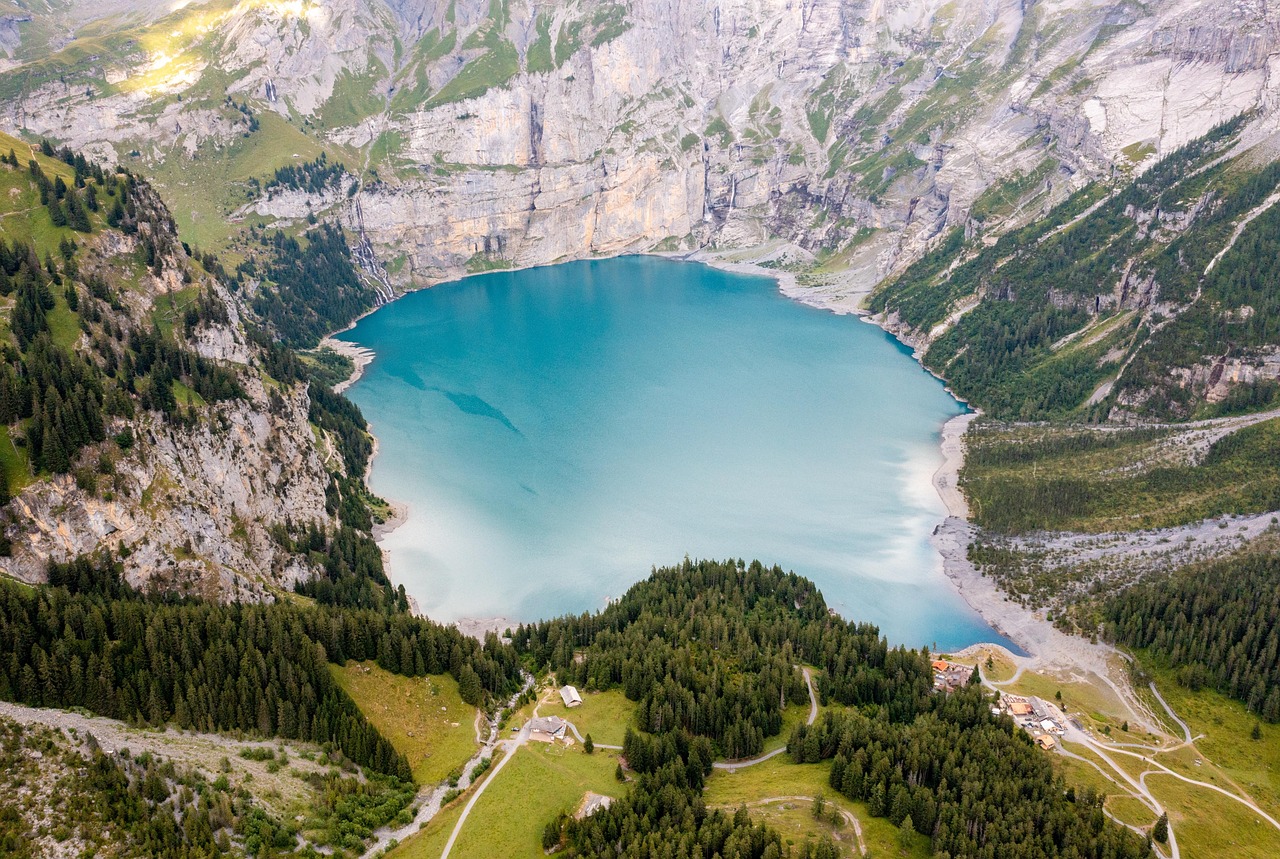
The stunning Oeschinensee
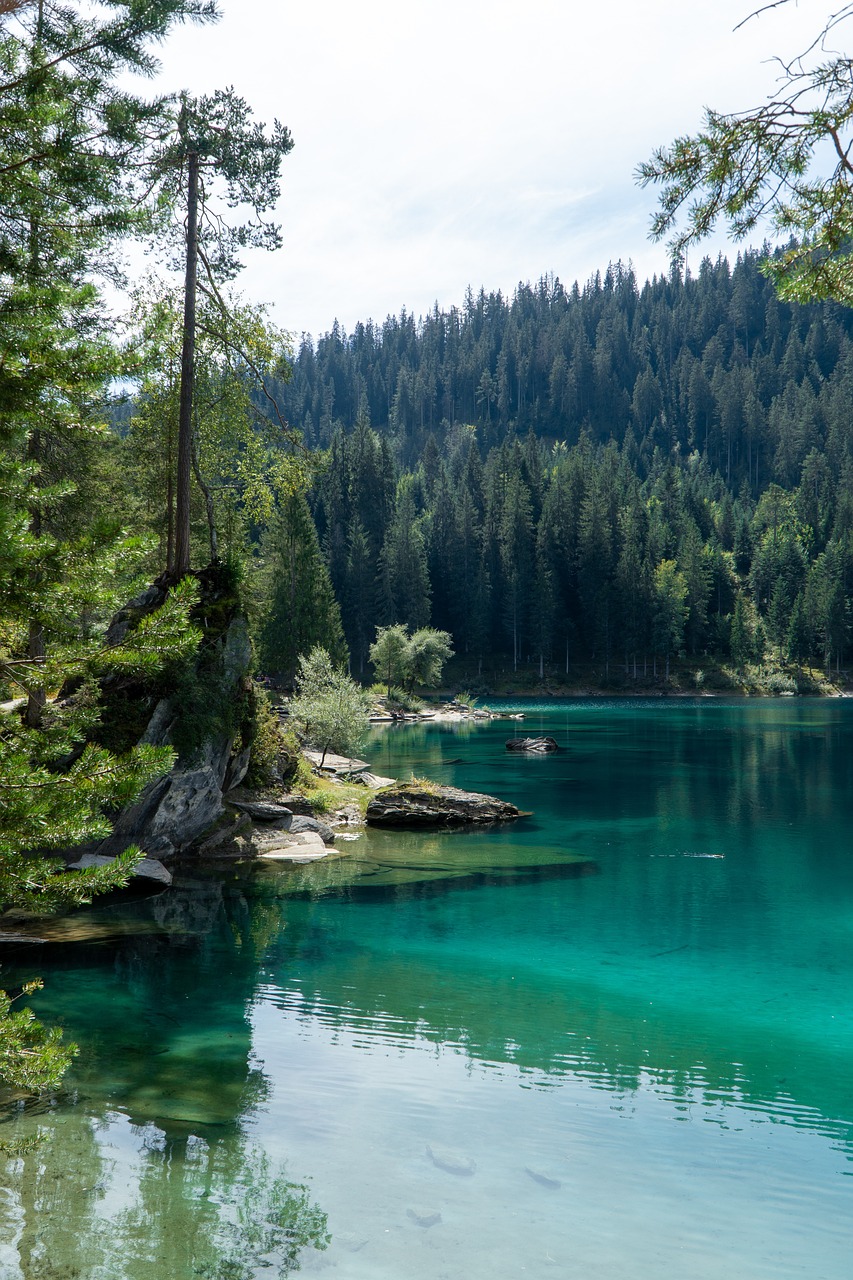
Another very popular and photogenic lake: Blausee

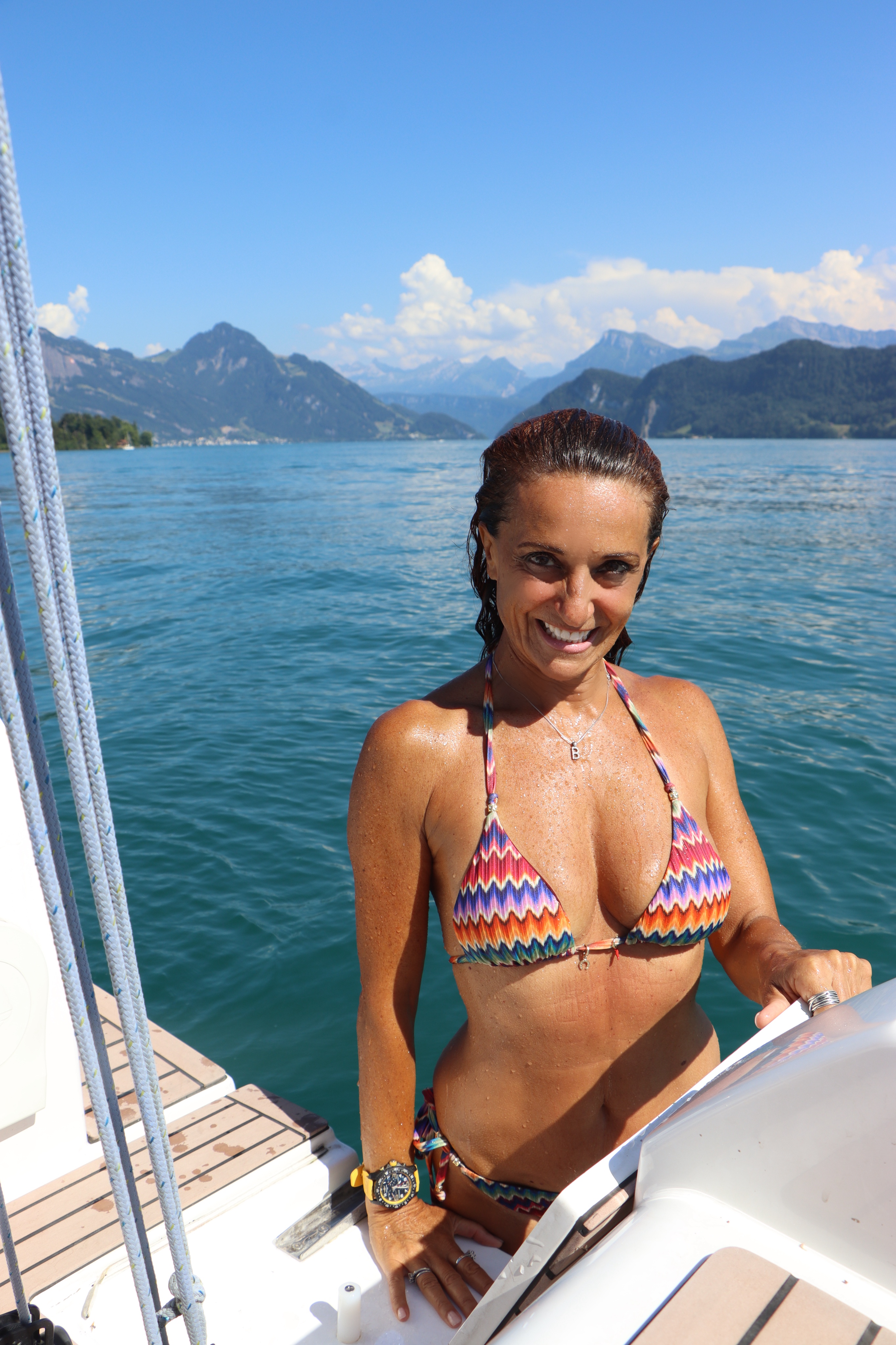
Enjoying lake Lucerne

...also called Vierwaldstättersee