
Uzbekistan – The star before the spotlight

Beatrice Lessi
Is it safe for a woman traveling solo to Uzbekistan?
Absolutely. When I told my Swiss friends I was going to run the Samarkand Marathon, most of them reacted with confusion or concern. Where is Samarkand? Why there? Even after I offered a free hotel stay to some girlfriends, they hesitated. The region felt too unknown, too far. But having been there, I can say with confidence: Uzbekistan is one of the safest places I’ve traveled to. The atmosphere is calm, respectful, and welcoming. The streets are full of life, even at night. Families stroll, music plays, and the vibe is peaceful. Police are present, but not intrusive. They’re there to help. When I needed to use an ATM, there was always someone nearby, quietly watching out. It’s a country where you feel looked after without being watched.
Samarkand Marathon
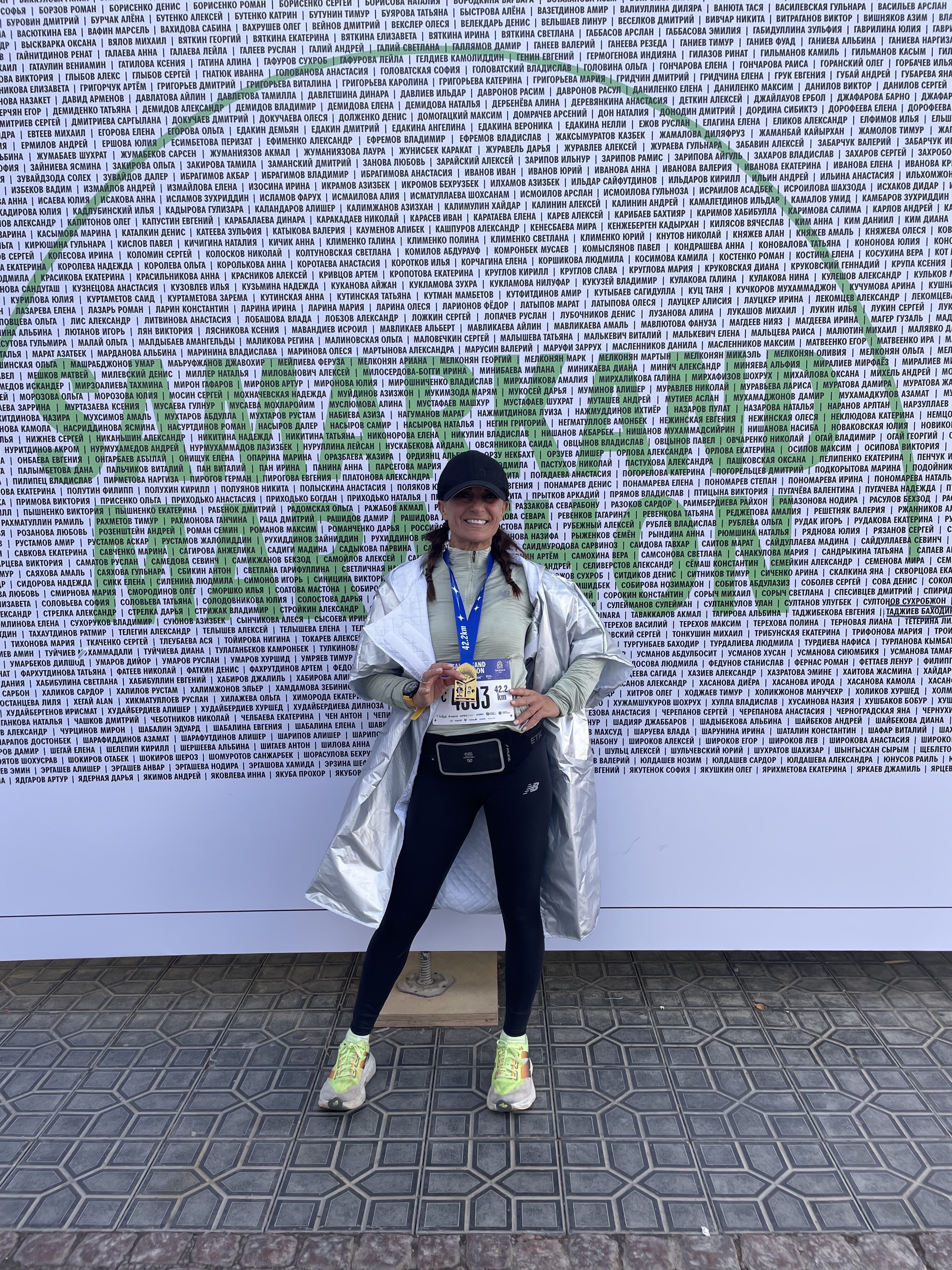
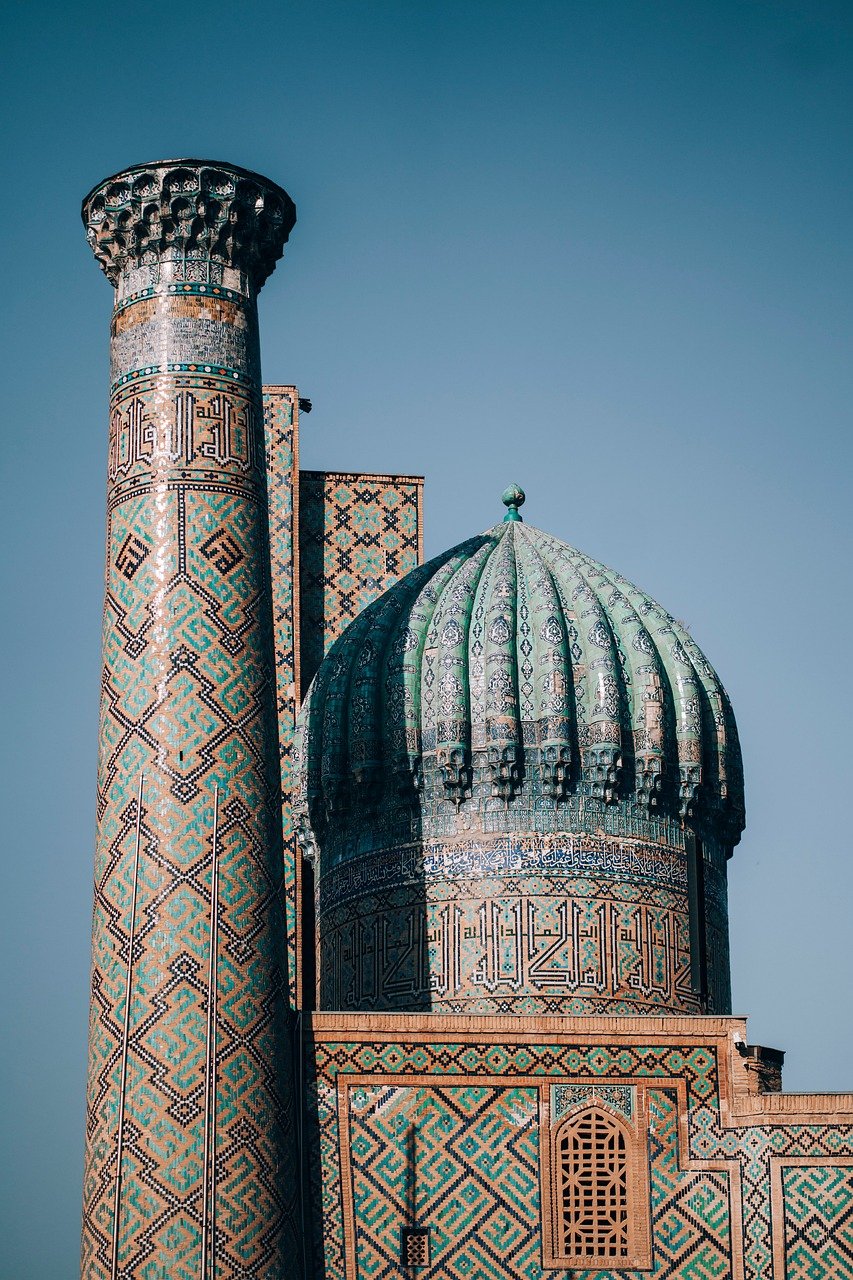
The marathon itself was a highlight. It’s still small, which made it feel intimate and well-organized. I even got second place—not because I’m a world-class runner, but probably because there weren’t that many competitors. Still, I was thrilled. The race started at 7 AM, right in the heart of Registan Square, a UNESCO World Heritage Site. Running through those majestic monuments at sunrise, with the light hitting the blue tiles, was unforgettable. It felt like a dream sequence.
Samarkand is a place that surprises you. Most people don’t know where it is, and that’s part of its charm. It’s not overrun by tourists. You don’t queue for hours. You don’t pay inflated prices. It’s not like Florence or Lucerne with busloads of visitors. It’s manageable, affordable, and still authentic. I stayed at Hotel Minor, a three-star hotel with a direct view of Registan Square. It’s not luxury, but it’s clean, reliable, and the service is great. I’d stay there again.
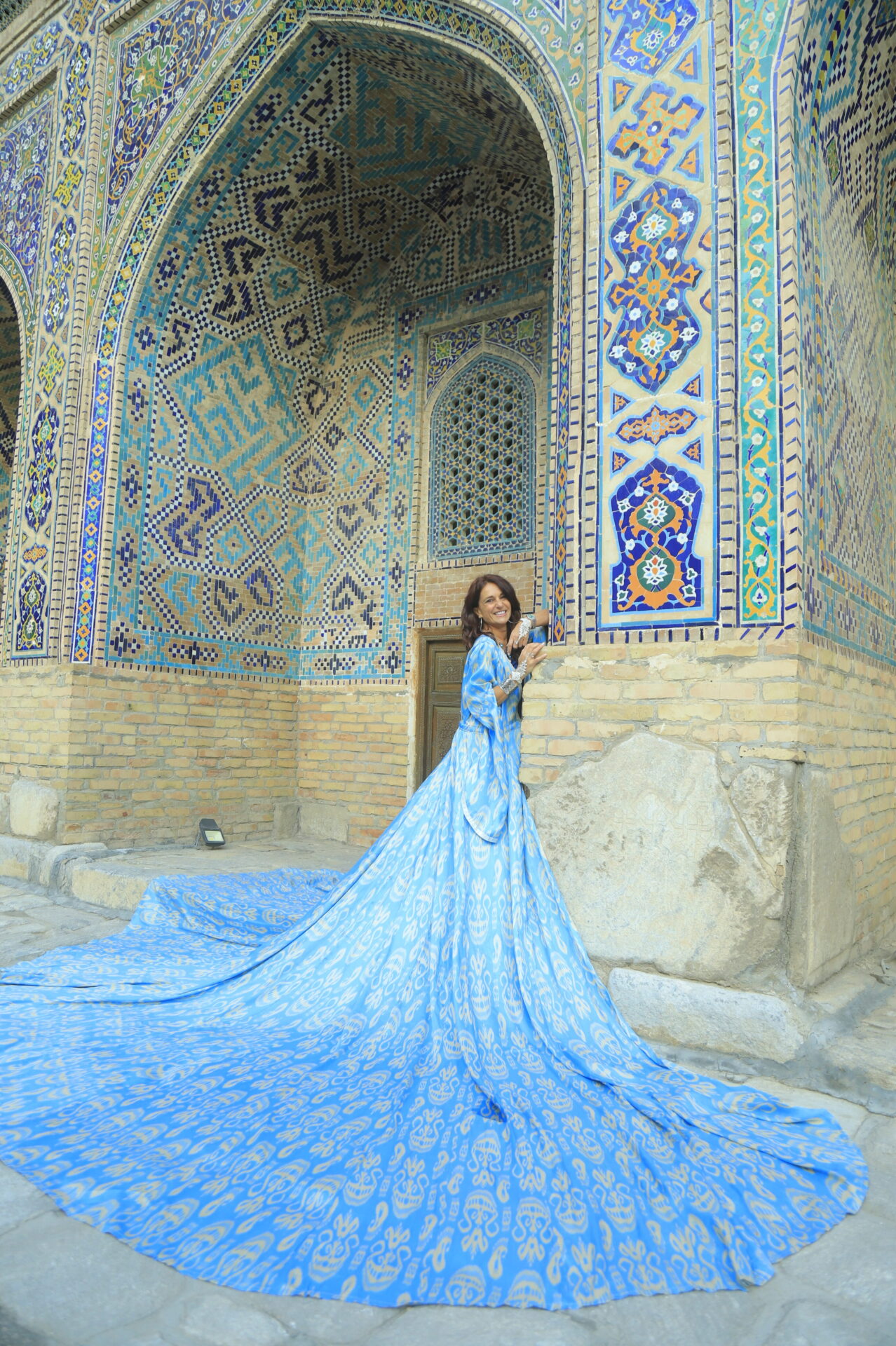
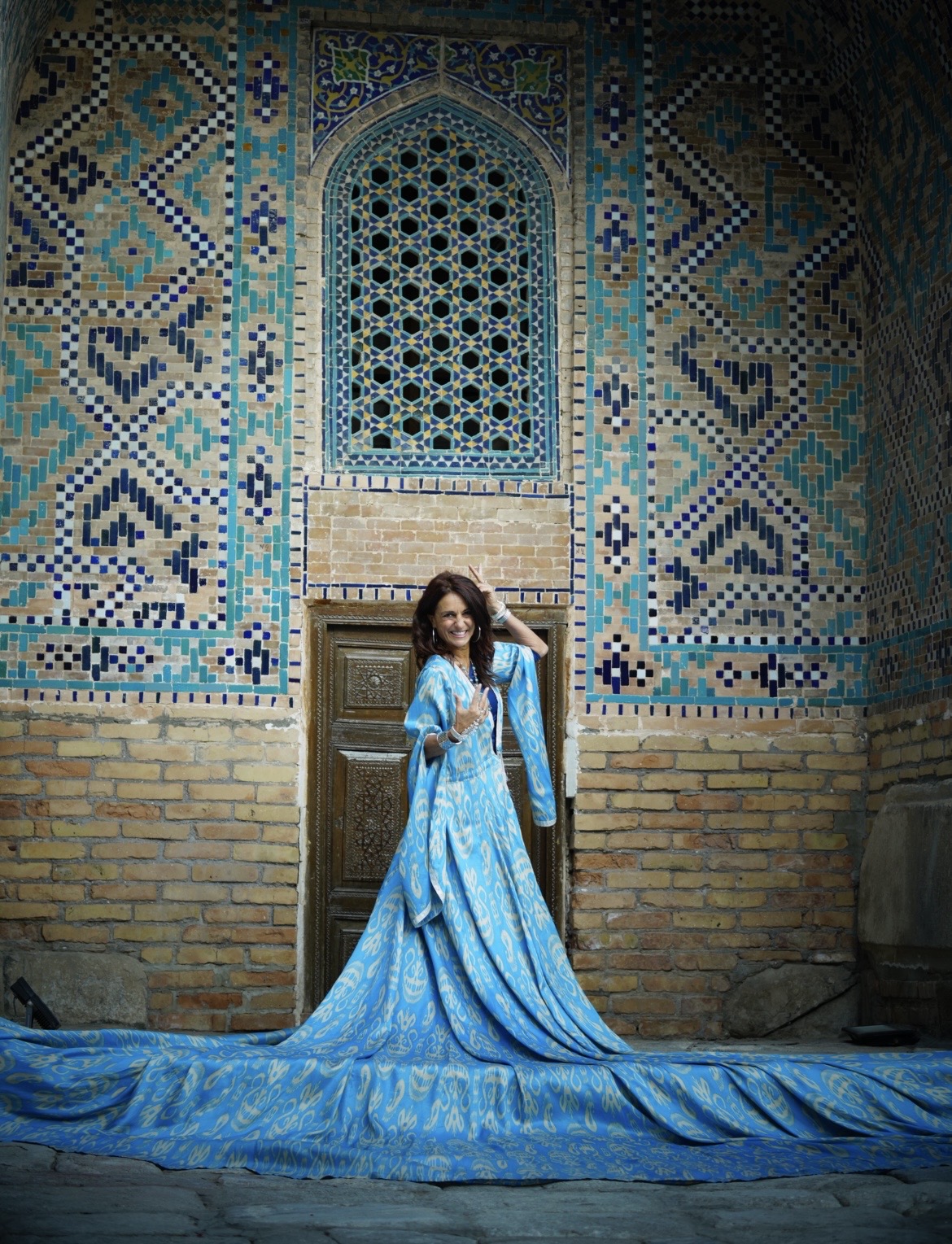
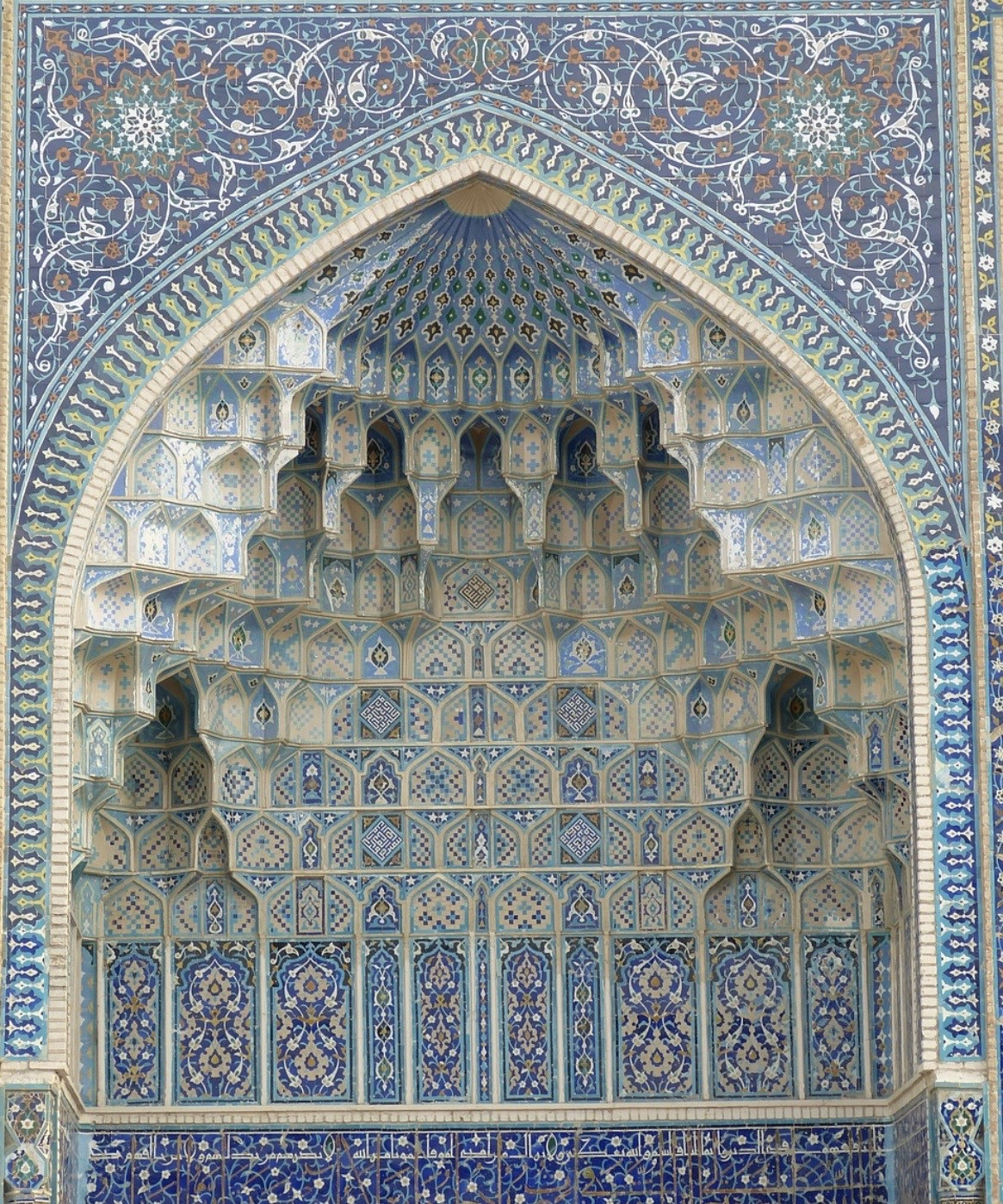
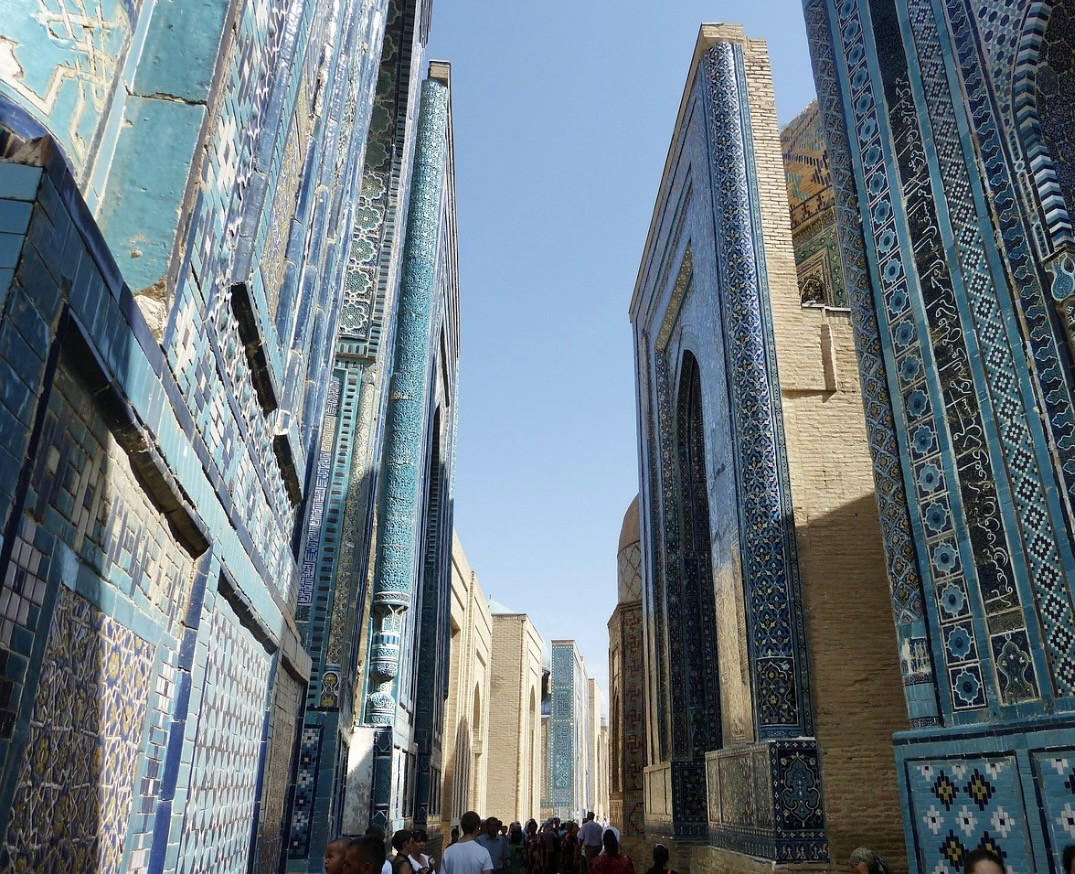
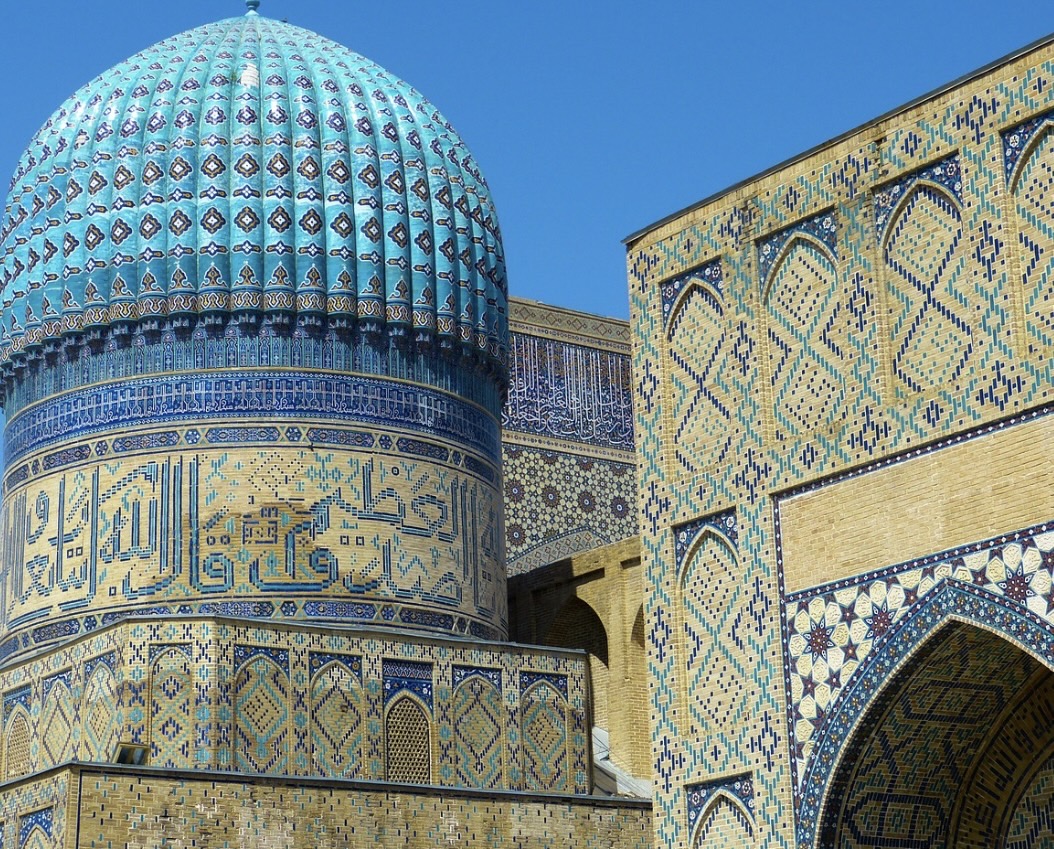
The architecture in Samarkand is stunning. The city was a major hub on the Silk Road, and you can feel its historical power in every building. The madrasas, the domes, the mosaics—they’re grand and intricate. The blue tiles shimmer in the sun, and the symmetry is mesmerizing.
More time, more curiosity
What really made the trip special was the people. During the marathon, volunteers were incredibly kind. One girl saw me outside a full restaurant and offered to book another one for me. She spoke the local language, which helped a lot. English is spoken by some, but not all. She booked the restaurant, and when I saw another girl with the same problem, I invited her to join. Suddenly, we were three friends walking to dinner. That same girl asked for my Instagram and said she wanted to support me the next day. And she did.
People kept saying, welcome to Uzbekistan, thank you for coming, where are you from. They weren’t trying to sell anything. They were just genuinely happy to see tourists. Western visitors are still a novelty, and locals go out of their way to make you feel at home.
Central Asia is central indeed!
One of the biggest surprises of my trip was realizing how close everything is in Central Asia. On the drive through Uzbekistan and Tajikistan, my guide pointed out that Afghanistan was just 120 kilometers away. He showed me the road to China. Suddenly, the map made sense. These countries that seem distant on paper are actually neighbors. And they’re not dangerous the way we often imagine. Locals travel between them regularly. The girl I met at the restaurant, who later joined me in Tajikistan, was from Kazakhstan. She told me she was heading to Iran next. I asked if she wasn’t afraid to go alone. She said not at all. She was even considering going through Afghanistan—she just needed a visa.
It changed my perspective. Central Asia isn’t the tense, risky region I thought it was. It’s a place of cultural exchange, of tolerance, of shared history. The influence of Russia and China is visible, but not oppressive. People seem to coexist with it. It reminded me of Switzerland, surrounded by Germany, France, Austria, and Italy. Yes, there are differences, but we travel freely, and we’re not afraid. That’s how it felt there. Central Asia is not the way I perceived it. It’s a place to discover, with more harmony than I expected, and people who seem genuinely happy.
Screenshot
Screenshot
Screenshot
Screenshot
Fun Facts
– Uzbekistan is one of only two countries in the world that are doubly landlocked — the other is Liechtenstein.
– Samarkand is older than Rome, with over 2,750 years of history.
– The country has five UNESCO World Heritage Sites, including Samarkand, Bukhara, and Khiva.
– In 2019, Uzbekistan cooked the world’s largest plov — over 7,000 kg — earning a Guinness World Record.
– In many villages, people don’t lock their doors, reflecting deep-rooted hospitality.
– The Muruntau gold mine in Uzbekistan is one of the largest in the world.
– Cotton is called “white gold” and remains a major export.
– Tashkent’s metro stations are decorated like museums, with stunning architecture and art.
– Tea is more popular than water and is served as a gesture of welcome.
– The country’s classical music tradition, Shashmaqam, is recognized by UNESCO.
Practical tips
– Bring US dollars or be ready to exchange money often. Most places accept only cash, and card payments are rare.
– Visit local food stalls and markets. The food is fresher, tastier, and much cheaper than in tourist restaurants.
– Get an e-sim for decent coverage across the region, but don’t expect perfect internet—especially in the mountains.
– Use apps like GetYourGuide to book experiences, but also talk to your hotel concierge or fellow travelers at breakfast.
– Word of mouth still works wonders. You’ll get better tips and often better prices by asking around, just like in the old days.
Traveling here is a mix of old-world charm and new discoveries. It’s a region that rewards curiosity and welcomes you with open arms. To me, it’s like a restaurant before it gets its Michelin star.