



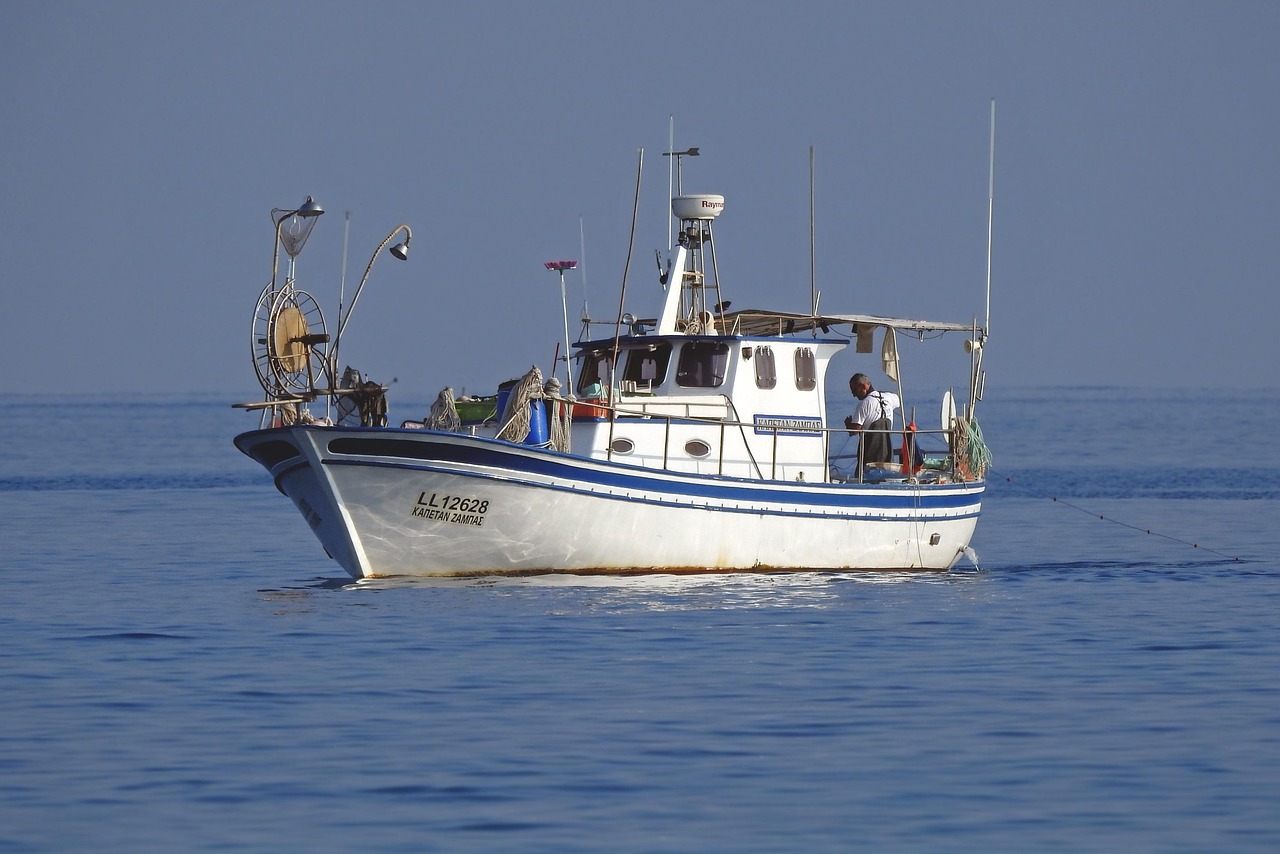
Cyprus: The Island That Can’t Quite Make Up Its Mind (And That’s Exactly Why It’s Fascinating)

Beatrice Lessi
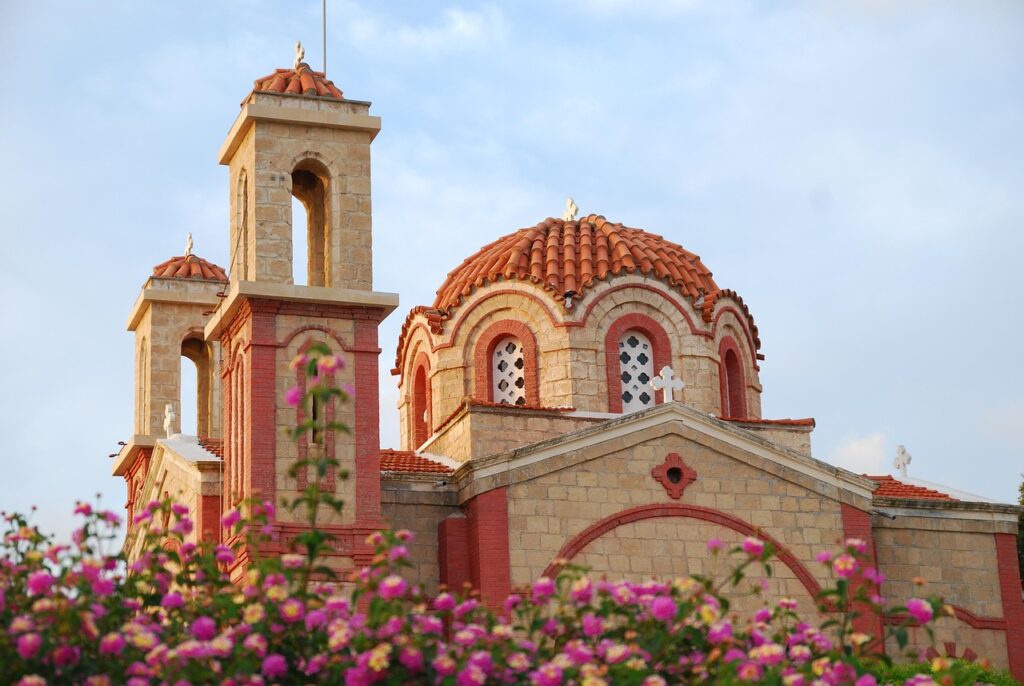
I just got back from Cyprus. I was there for Easter, which on a predominantly Greek Orthodox island turns out to be a very big deal — candlelit processions, packed churches, lamb on the spit everywhere you look. It was my first time, and I arrived with an open mind and a full itinerary. Some of it blew me away. Some of it surprised me in less poetic ways. All of it is worth sharing — especially the things the travel guides quietly leave out.
Here are 10 things I discovered.
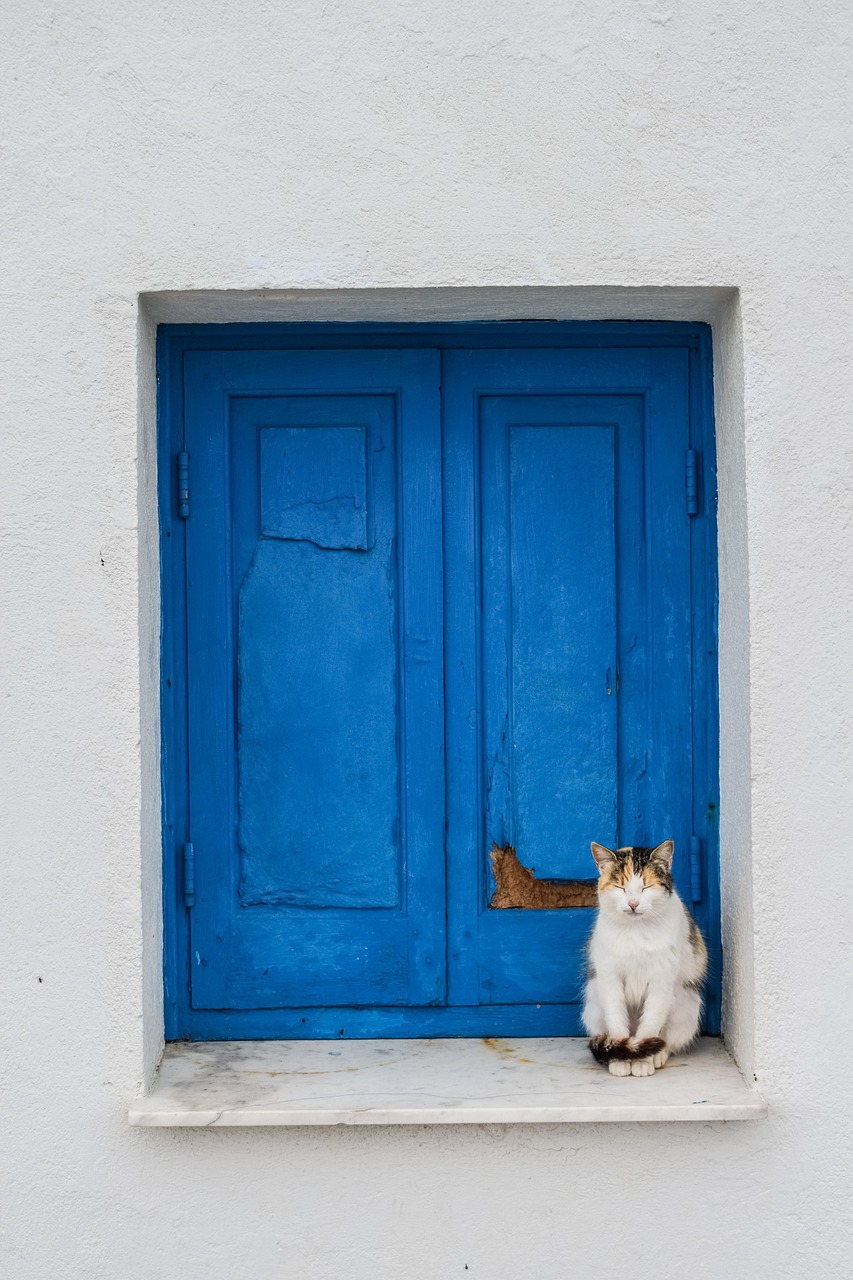
1. There are more cats than people
Estimates put the cat population at over 1.5 million, against roughly 1.2 million humans. Legend has it that Saint Helena sent an entire shipload of cats to Cyprus in the 4th century to deal with a snake infestation. The cats solved the problem and apparently liked it so much they never left. I can confirm this legend feels entirely plausible. They are everywhere, they are charming, and several of them tried to share my lunch.
2. The word “copper” comes from Cyprus
I had no idea until I got there. The island was once so rich in copper that the ancient world named the metal after it — Kupros in Greek, which became cuprum in Latin, and eventually copper in English. Without Cyprus, your kitchen pipes would have a very different name. I love a fact that makes you look at ordinary things differently.
3. It’s practically British — and officially, partly still is
You drive on the left. You hear English absolutely everywhere. Marks & Spencer is a fixture on the high street. This isn’t coincidence: Cyprus only gained independence from Britain in 1960, and two British military zones still exist on the island to this day. The British expat community is enormous, and at Aphrodite Hills — the resort where I stayed — I’d estimate that around 95% of the guests were British. It’s comfortable and familiar, which is lovely, but occasionally you catch yourself wondering whether you’ve actually gone anywhere at all.
4. It hosts the world’s oldest named wine
Commandaria has been produced in the foothills of the Troodos mountains for over 5,000 years, making it the oldest named wine in recorded history. King Philippe of France once called it “the Apostle of Wines.” I tried it. It’s rich, sweet and genuinely extraordinary. A glass of Commandaria is basically drinking archaeology — and I mean that as a compliment.
5. The Ferraris belong to one crowd, the fish and chips to another
Walking around Cyprus, you notice very quickly that the island has distinct tribes. The British fill the tavernas and the M&S aisles. Then there’s another crowd entirely — predominantly Russian — who occupy the five-star hotels, the mega-villas, and anything with a Lamborghini parked outside. Staff, signage, atmosphere: all calibrated accordingly. It’s a fascinating and occasionally jarring socio-economic layer cake. I found myself noticing it constantly — the way two completely different versions of “luxury holiday” coexist on the same small island without ever quite meeting.
6. It’s windier than you think
I cannot stress this enough. The temperature reads 22°C, you step outside feeling confident in a light jacket, and the wind immediately disabuses you of that notion. Cyprus’s wind is its great underrated feature — and not in a charming, breezy way. Pack a proper layer. You will need it more than you think.
7. The island is literally divided — and you can walk across the border
Nicosia is the only capital city in the world split between two nations. Since 1974, a UN buffer zone called the Green Line has cut the island in half. You can actually cross on foot at Ledge Street — one moment you’re on the Greek Cypriot side, the next you’re in what is effectively a different country. It’s one of the most historically charged walks you’ll ever take, and it stays with you long after you’ve crossed back.
8. The highest peak comes with a catch — and nobody tells you in advance
I hiked up to Mount Olympus. At 1,952 metres it’s the highest point in Cyprus, and the trails through the Troodos pine forests are genuinely lovely. I was excited to reach the top. I did not get to enjoy the top. The actual summit is occupied by a military radar installation — enormous white radomes fenced off behind security perimeters, cameras pointing in every direction, signs telling you firmly not to photograph anything. No panoramic view. No triumphant moment. Just a polite but firm suggestion to keep moving. The hiking trails officially route around the summit precisely because you are not permitted there. I wish someone had told me before I made the climb expecting a classic mountain-top payoff. Consider yourself warned.
9. It’s the birthplace of Aphrodite — and the oldest perfume on earth
According to Greek mythology, the goddess of love rose from the sea foam off the coast of Paphos. More factually: in 2007, archaeologists discovered the world’s oldest perfumes here, dating back over 4,000 years, scented with lavender, rosemary, pine and coriander. Cyprus has been in the beauty business for a very long time. There’s something wonderful about standing on an island where that’s just a normal Tuesday.
10. The nature is the real headline
This is where Cyprus genuinely delivers. Over 300 days of sunshine a year. More than 55 Blue Flag beaches. Around 140 species of flowering plant found nowhere else on earth. Every autumn, approximately 10,000 flamingos stop at the Larnaca Salt Lake during their migration south. And just off the coast of Larnaca, the MV Zenobia — a cargo ferry that capsized in 1980 — sits largely intact on the seabed, ranked among the world’s top wreck dives. The landscape, the light, the sea: these things are not overhyped. They are exactly as beautiful as advertised, and on a clear Easter morning, quite breathtaking.