



Verona, Romeo, Juliet and Three Michelin Stars

Beatrice Lessi
Verona does not need an introduction. It needs a reservation. If you are looking for the most romantic break in Italy, stop looking.
Casa di Giulietta on Via Cappello is the 14th-century courtyard where Shakespeare set his most famous tragedy. The balcony is real — or real enough to make your heart do something embarrassing. The walls are covered in love notes left by visitors from every corner of the world, and the bronze statue of Juliet has been touched so many times for good luck that she has developed a permanent shine in a very specific place. It is chaotic, slightly absurd, and completely irresistible. Then, if the season is right, an evening at the Arena di Verona. One of the best-preserved Roman amphitheatres in the world, built in the first century AD, it seats 15,000 people under the open sky for one of the world’s great opera festivals. Hearing Verdi or Puccini rise into the night air above those ancient stones is not just a concert — it is a full-body experience that stays with you for years. And then — then — you go to Casa Perbellini.
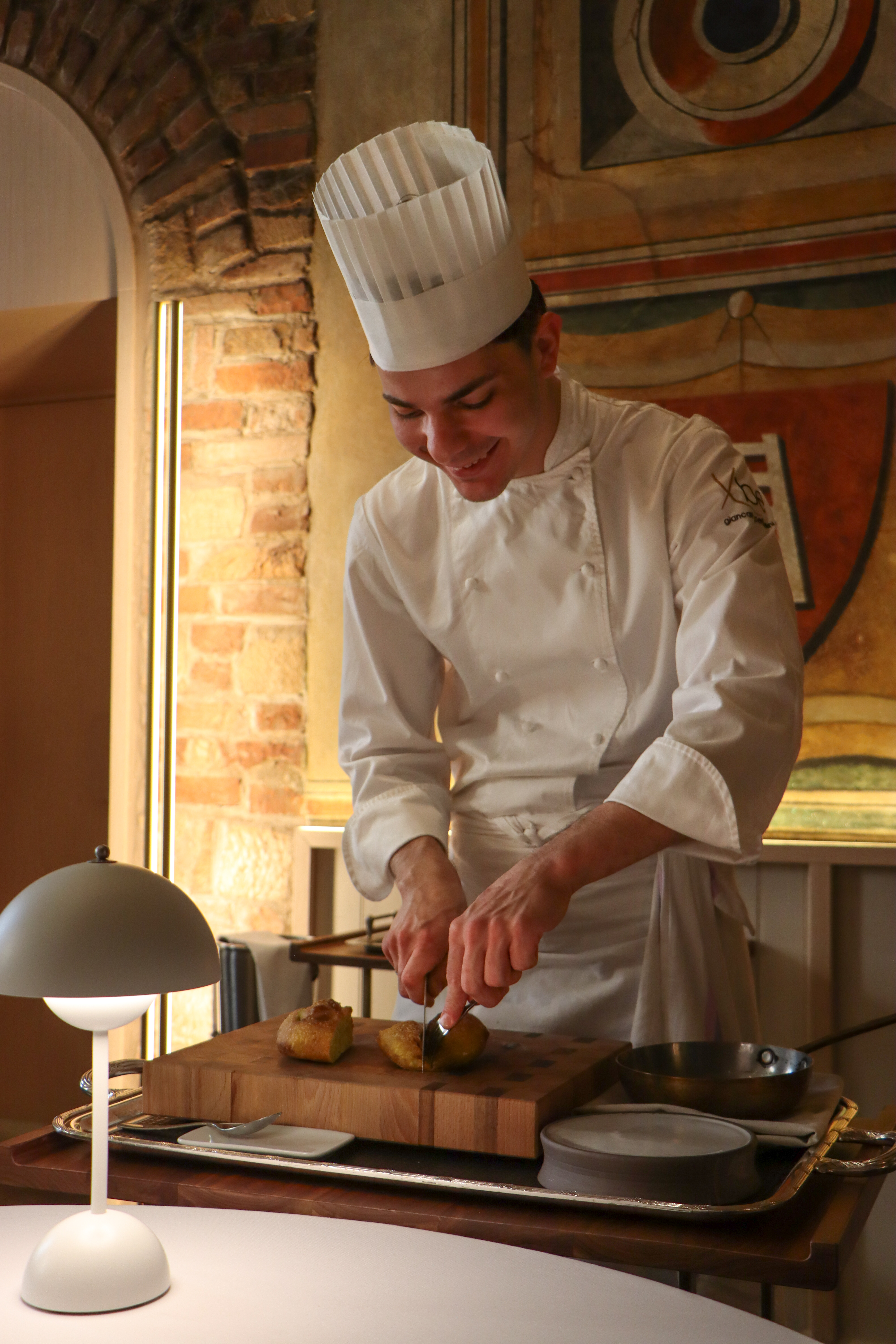
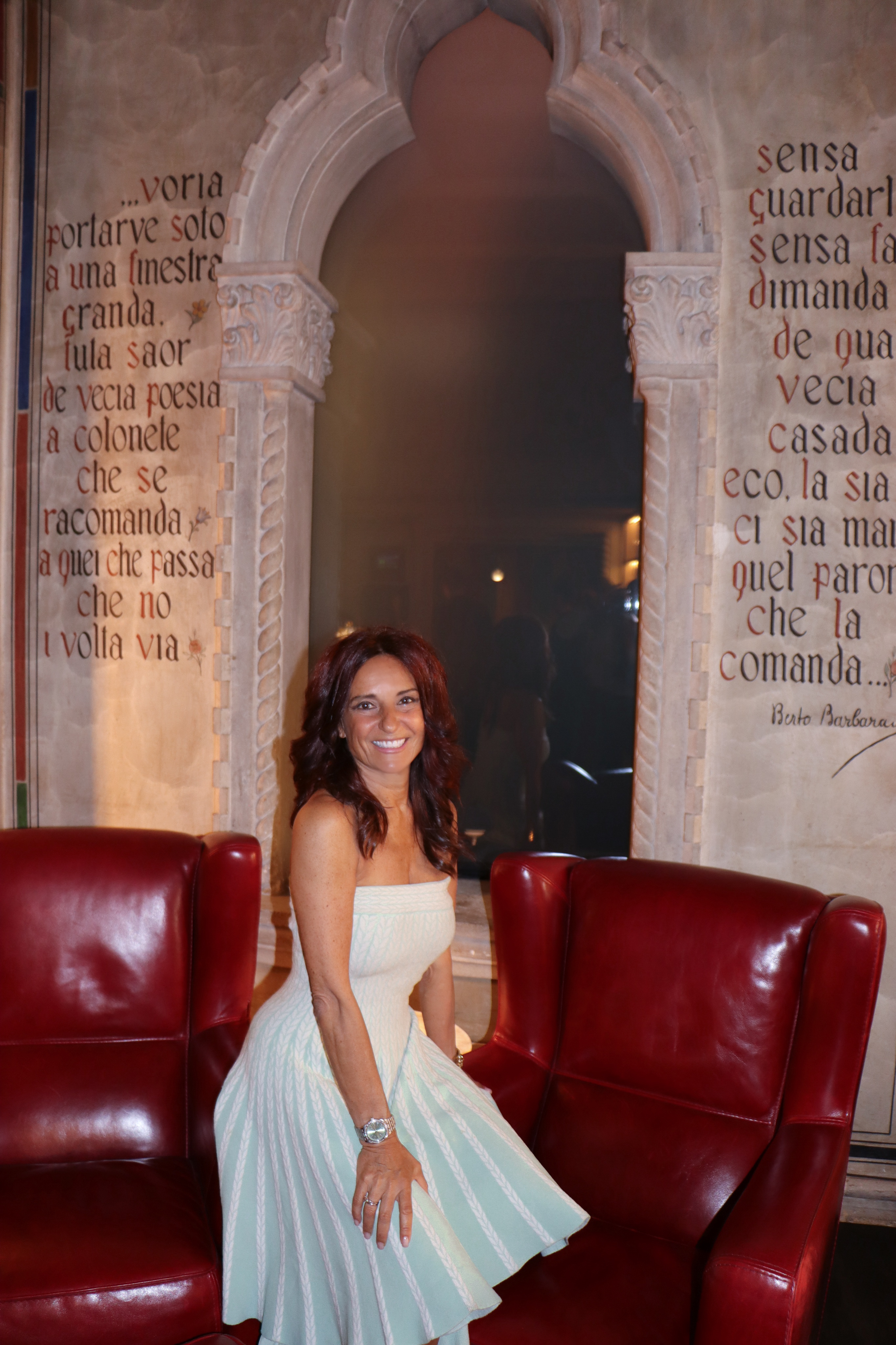
Chef Giancarlo Perbellini is one of those rare figures who has come full circle in the most beautiful way. He first set foot in the historic restaurant Casa Perbellini 12 Apostoli as a teenager, learning his craft in its ancient kitchen. Decades later, after earning and losing and rebuilding and perfecting, he returned as chef patron — and within a year, he had three Michelin stars. The only new three-star restaurant in Italy in 2025. In a space redesigned by Patricia Urquiola, with Roman ruins literally beneath the dining room floor, this is a place where centuries of history and an utterly contemporary vision of food exist in the same breath. The young staff are extraordinary — and yes, I will admit I noticed immediately that they are also quite beautiful, which never hurts. But what really struck me was their intelligence and speed. They read the room with the instinct of seasoned performers. I am the kind of guest who takes photos, asks questions, and probably bothers everyone — and they matched my energy with wit and warmth. When I asked where the bathroom was, the waiter replied with complete seriousness: “We don’t have one.” The pause before the smile was perfectly calibrated. I believed him for a full second.
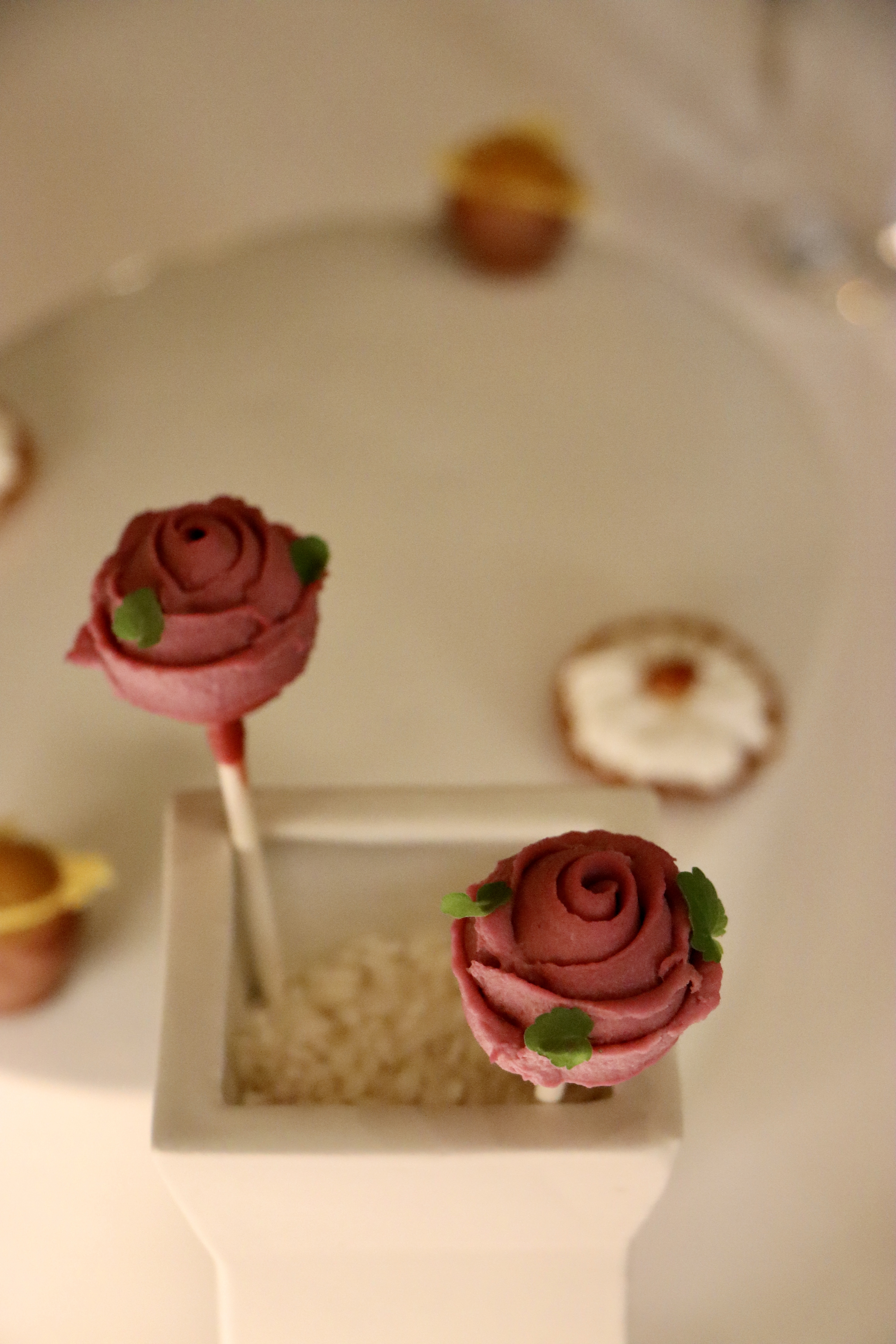
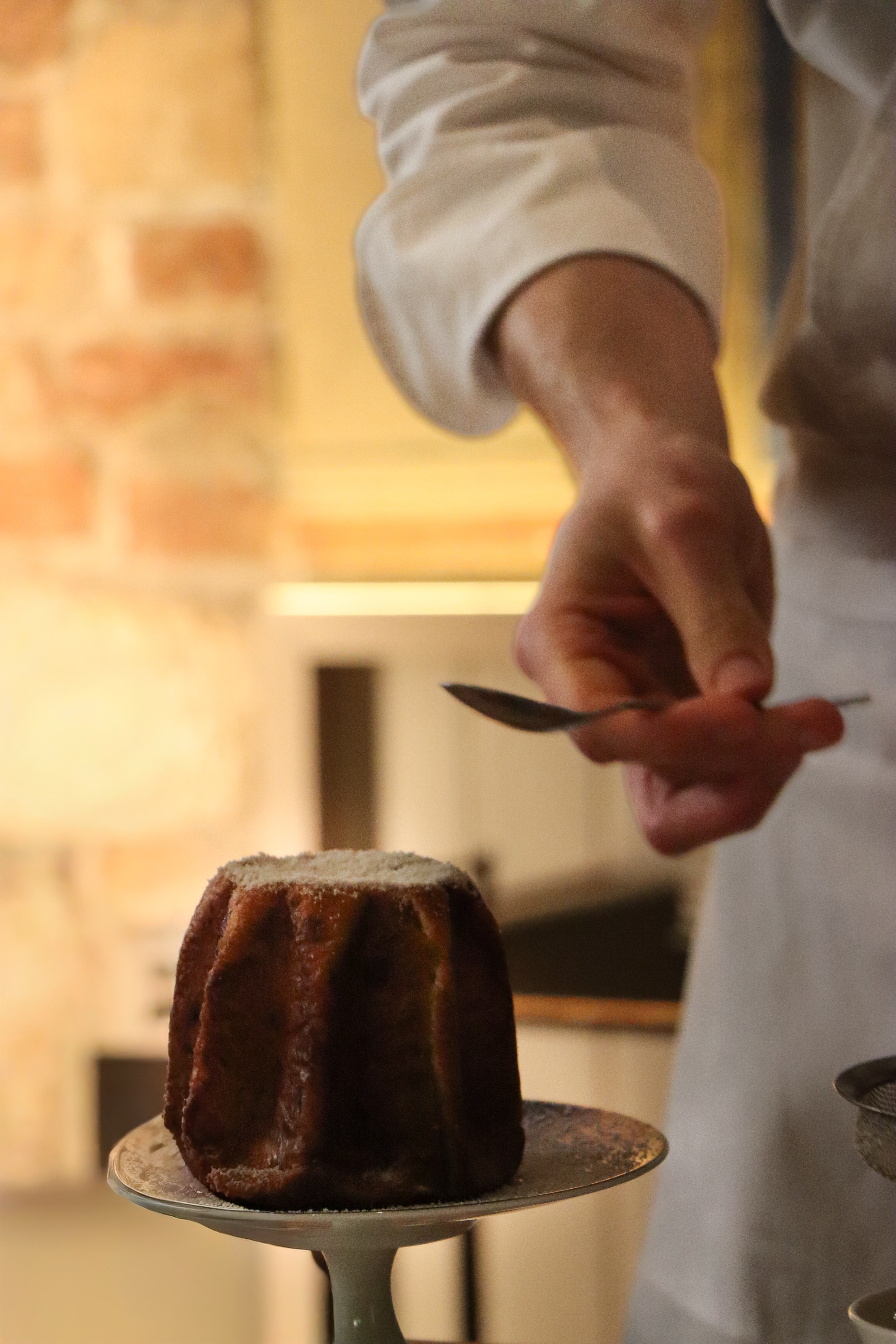
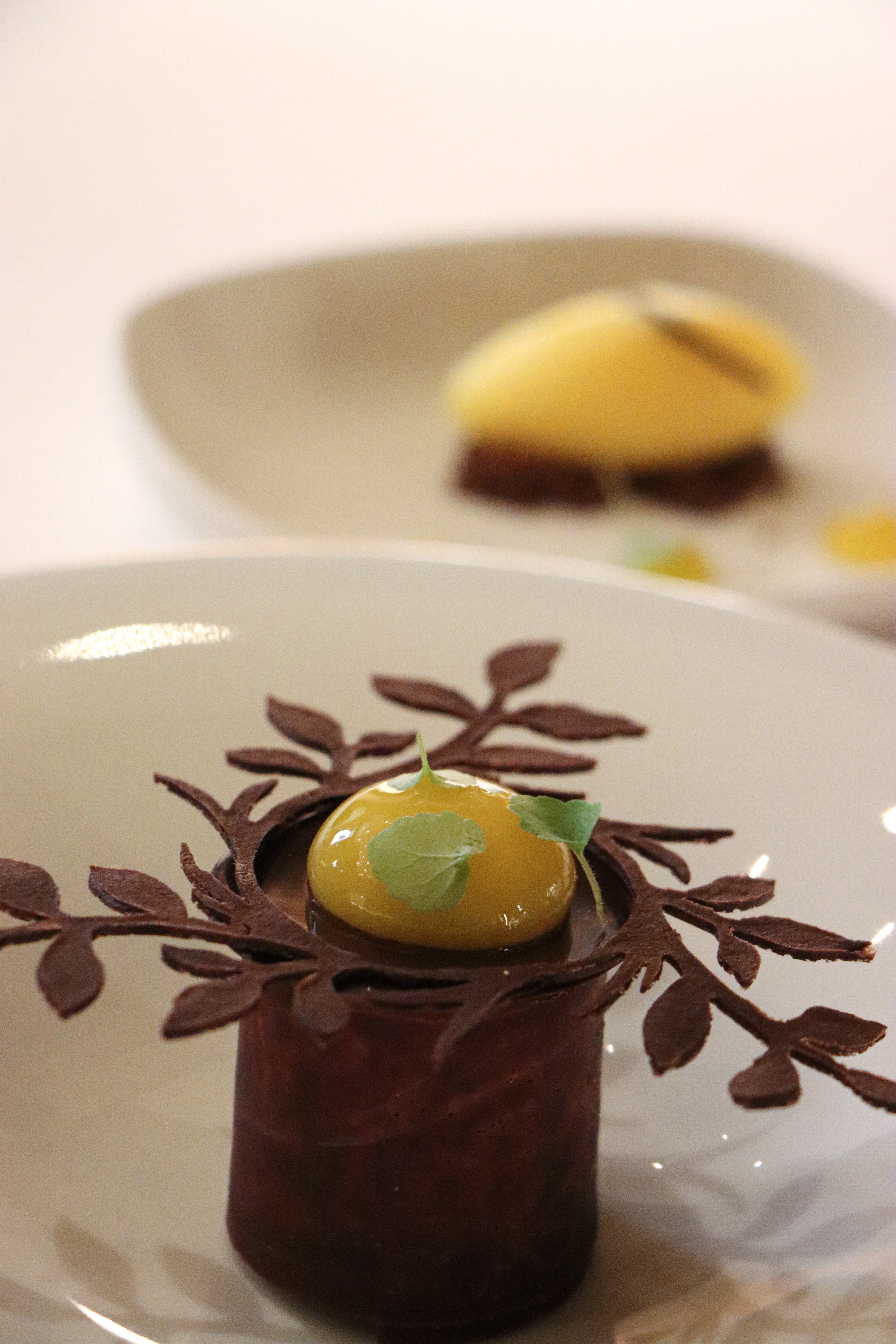
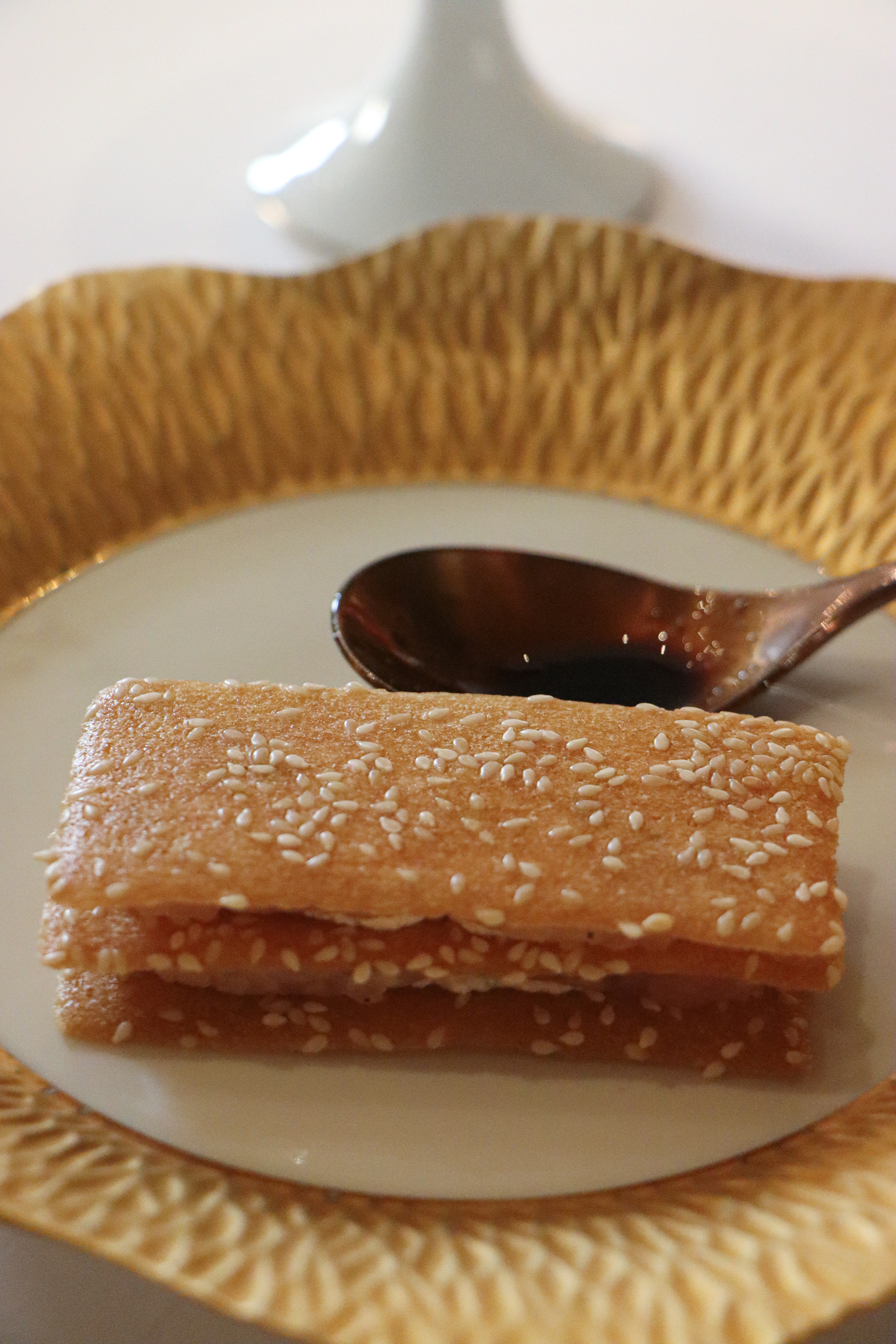
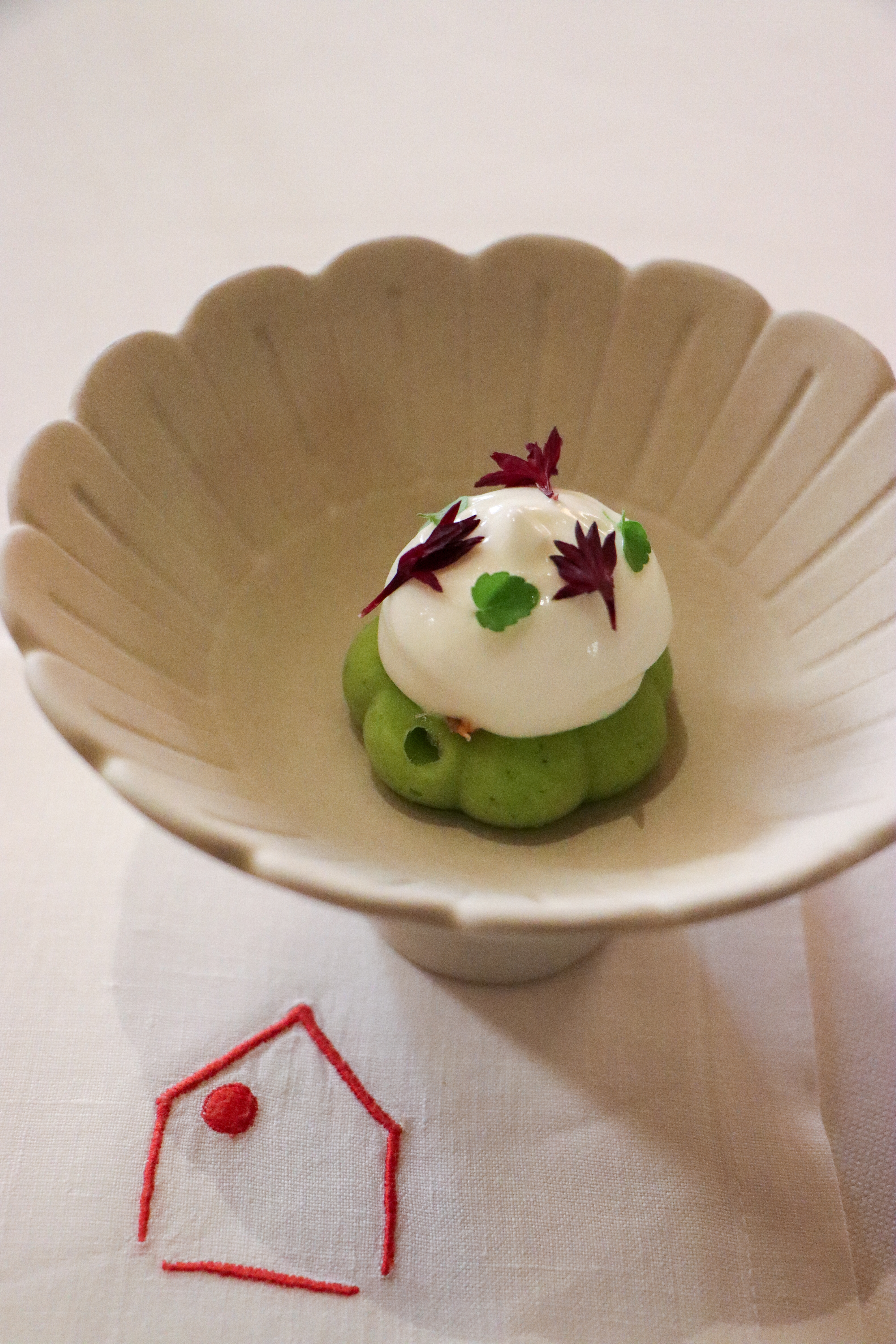
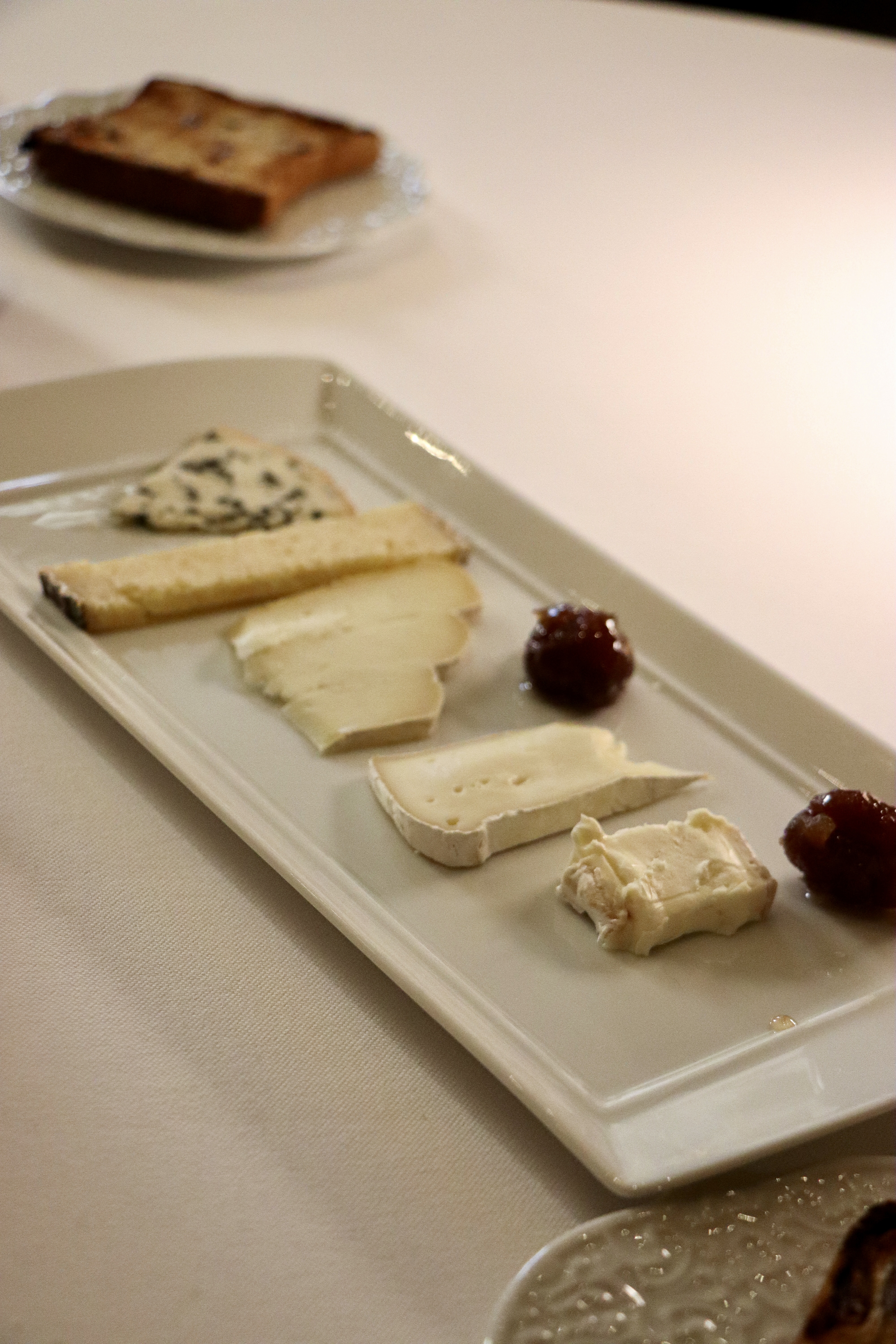
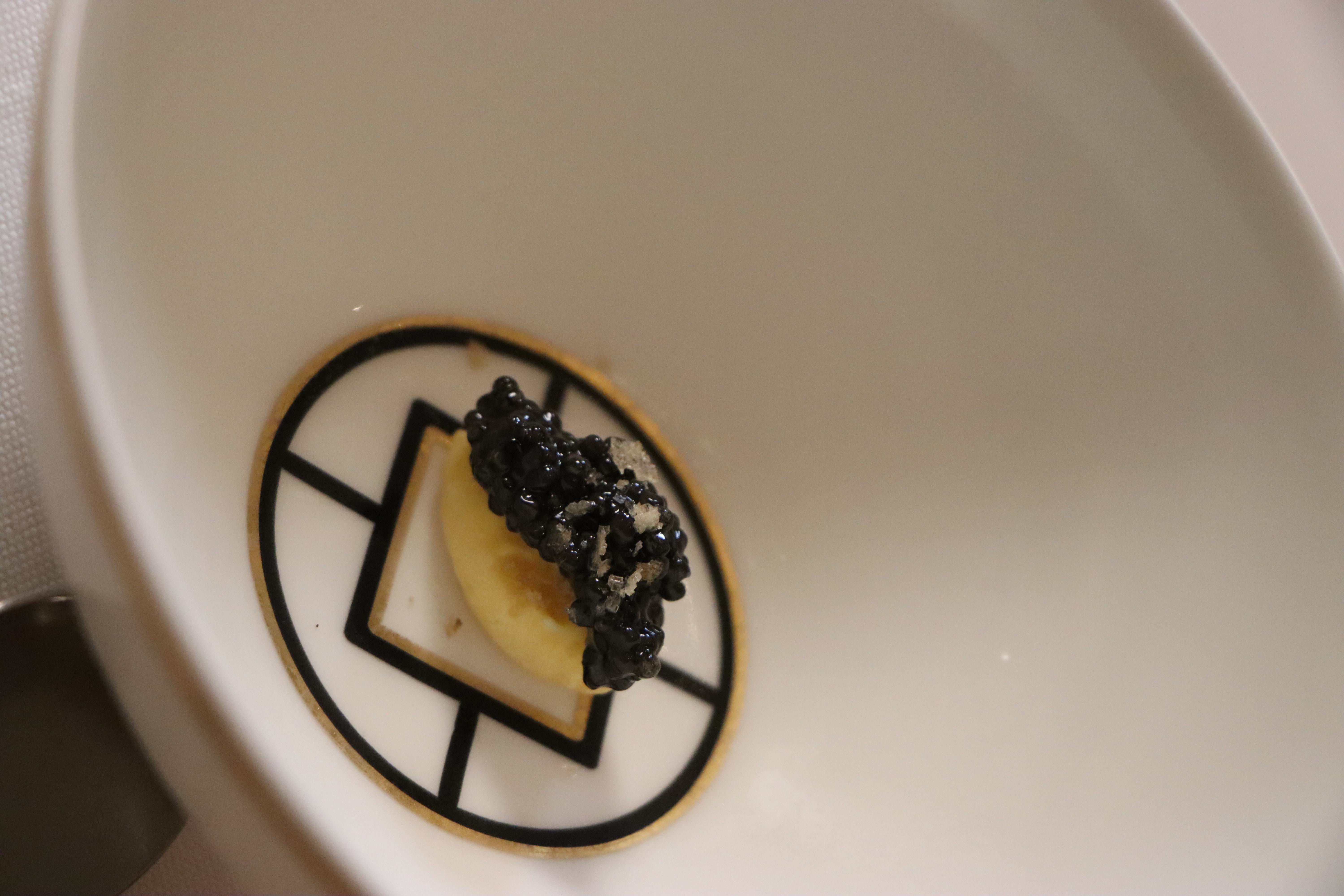
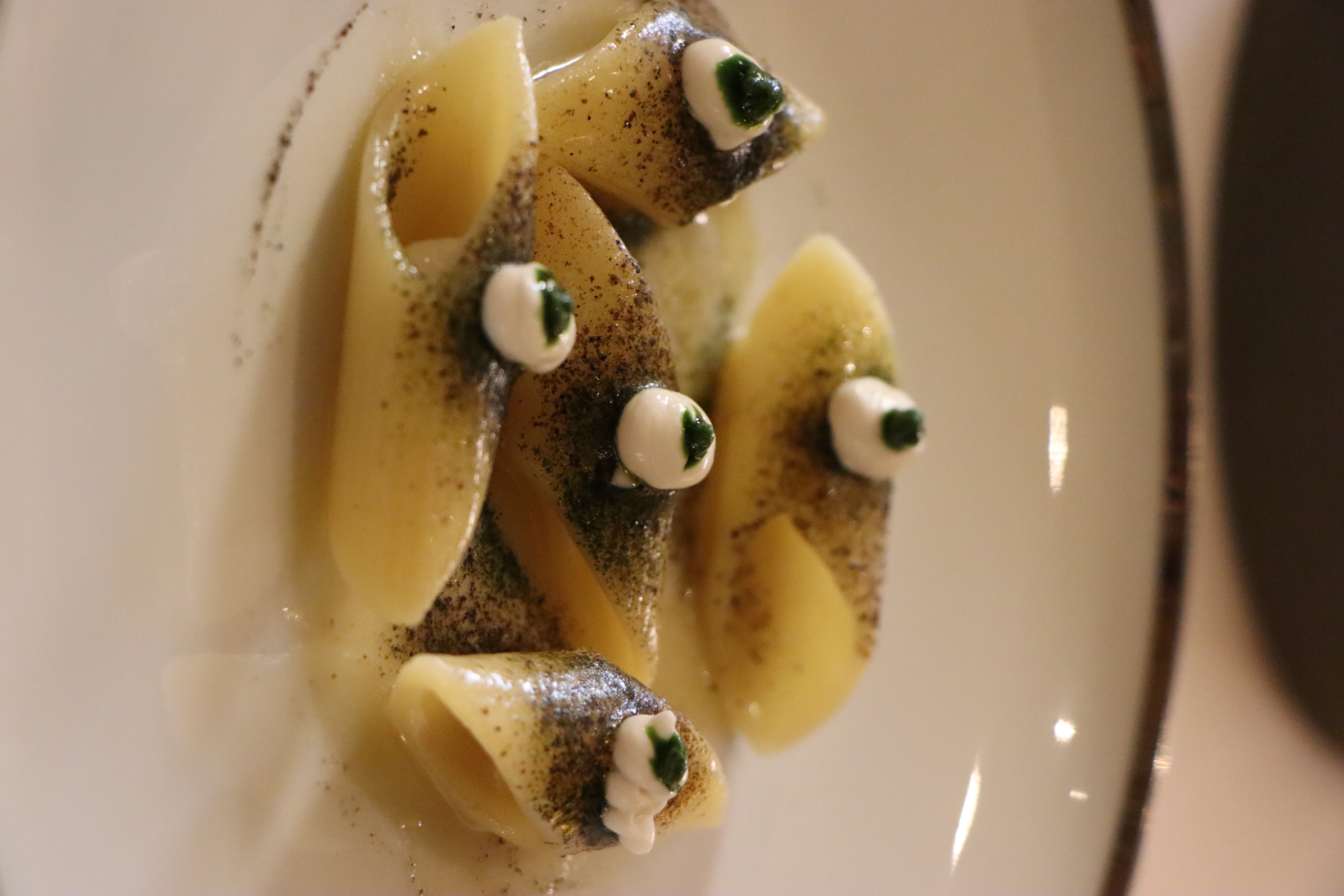
Meanwhile I watched them shift effortlessly into quiet, attentive discretion with guests who clearly wanted peace. That kind of adaptability is a gift, and at Casa Perbellini it is part of the philosophy. The food arrives in a crescendo that feels less like a meal and more like a conversation between the past and the present. Classic Italian flavours appear in forms you half-recognise and then completely fall for. I should not have eaten so much bread — the brioche and the focaccia arrived warm, repeatedly, and I had absolutely no defence against them. By the time the petit fours came — a whole landscape of them — I was already beyond full and eating on pure joy.
At the end of the evening I was escorted to the kitchen: a gleaming, ordered world of focused energy, where a brigade of young chefs moved with the precision of an orchestra mid-performance. Twelve seats at the chef’s table face directly into it, and watching those hands, those flames, that quiet concentration — you understand that what you just ate was not an accident. Every detail was intentional. Every flavour was a decision. Verona gives you Shakespeare and gladiators and opera under the stars. And then it gives you this. Some cities offer romance. Verona insists on it.