





Svalbard – Don’t Lock Your Car. There’s a Bear.

Beatrice Lessi
WHERE THE BEAR IS KING (AND YOU COME THIRD)
A dispatch from Svalbard — where the doors are unlocked, the guns are loaded, and the magic is hiding in plain sight
Let me start with something that will stop you mid-sentence if you visit Svalbard: people leave their cars unlocked. Doors to buildings, too. Keys in the ignition. You might think you’ve landed in some Scandinavian paradise of trust and good manners. You haven’t.
It’s because of the polar bear.
If you’re running from one, you need to get inside — fast. Locked doors cost lives. Polar bears can appear anywhere, anytime in Svalbard — even just outside the settlements. And those people you see on snowmobiles or skiing across the tundra, carrying what looks like a rifle? Same reason. The polar bears are never far away, so it’s a necessity to carry weapons when venturing outside the settlement. This is not paranoia. This is just Tuesday in the Arctic.
There are roughly 300 polar bears that stay on Svalbard year-round, while others migrate between the archipelago and Franz Josef Land — so the total number at any given time can be much higher. In Svalbard, the polar bear is not a tourist attraction. It is the apex predator, the organizing principle, the reason buildings stand on stilts (so that permafrost shifts don’t destabilize the foundations), the reason pipes run outside rather than underground. Humans here come third — after nature, after the bear — and the locals know it and accept it with a matter-of-factness that is, honestly, deeply refreshing.
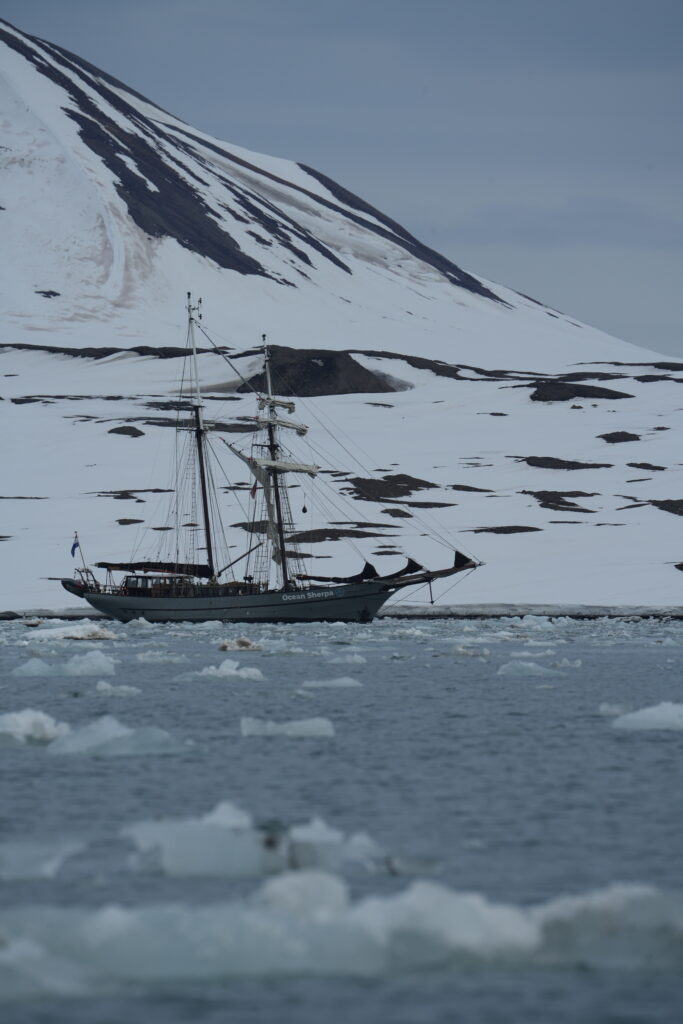
So how do you actually see one? The best chance by far is a boat cruise. Out on the water, inside a Zodiac, you can get close to the coastline without disturbing the animals or triggering any danger. Our captain had spotted a polar bear in the Nordre Isfjorden area — part of the same fjord system that connects to Longyearbyen, the only city in Svalbard — four days in a row the week before our trip. He was not excited in the way a tourist would be. He was simply matter-of-fact. This is his home. The bear is his neighbor.
Boat Trip
We went out in a brand-new Zodiac — the fabric was literally five days old — and edged quietly along the coast. Our guide held up a piece of glacier ice and showed us the bubbles inside. Those bubbles, he explained, contain ancient air: trapped pockets of atmosphere frozen since before the pyramids were built, locked tightly within the ice and assessed by scientists to determine what our climate looked like hundreds of thousands of years ago. Something that fits in your hand. Older than everything you’ve ever been taught.
He then explained permafrost and pointed to where the glacier had receded since he started working here. Not in geological time. In his career. In his memory.
I want to be honest with you about Svalbard. It pushed me out of my comfort zone more than I expected — and I’ve run across the Sahara and across Antarctica, so my comfort zone is not exactly a cozy armchair.
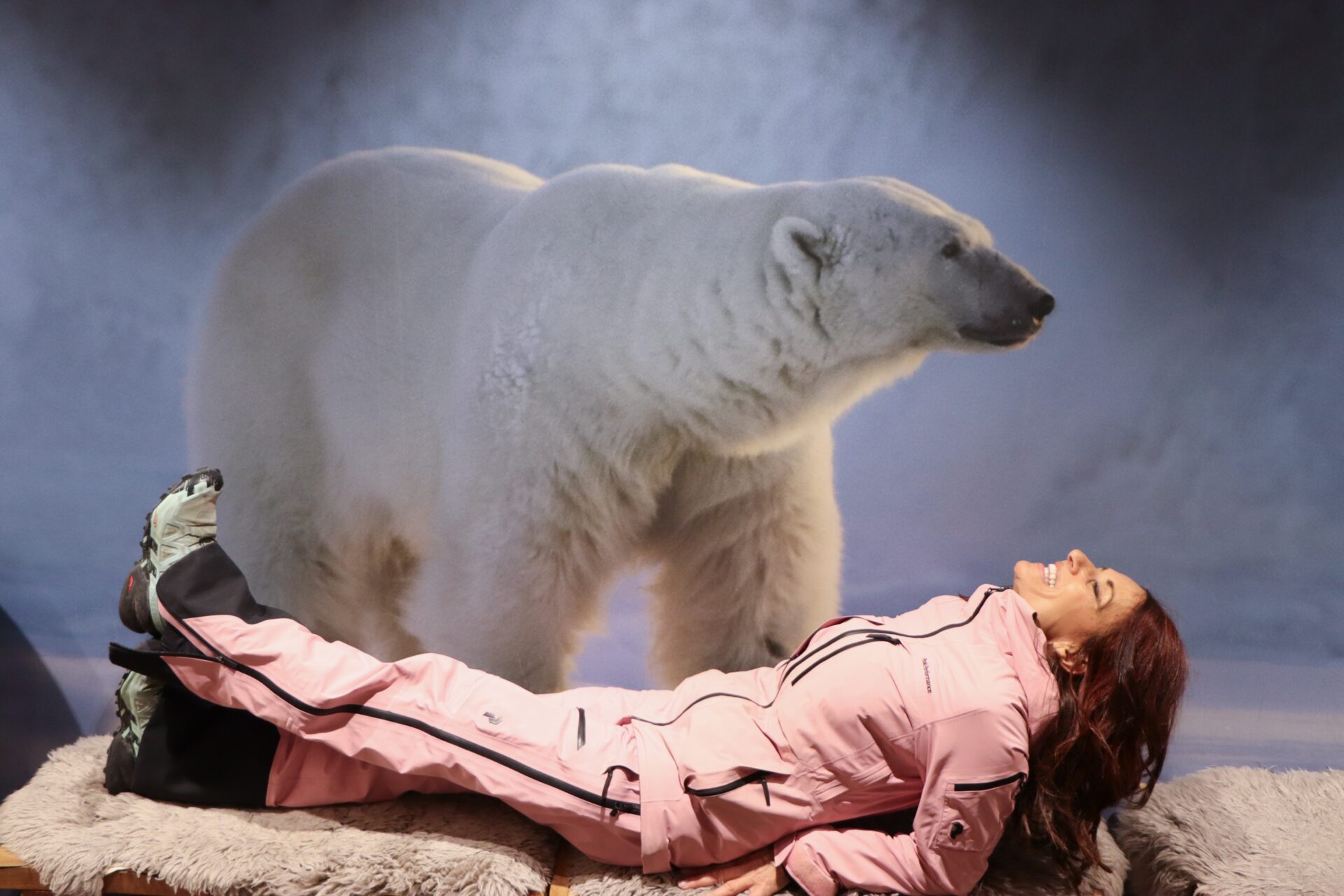
There is no elegant sunset. Right now there are 24 hours of daylight, and yet the sky is often grey, overcast, rainy, or throwing sleet sideways at your face. When I arrived in my pink outfit, our boat captain looked at me with total serenity and said: “In Svalbard, we don’t care how you look. We care about what you do.”
Fair enough.
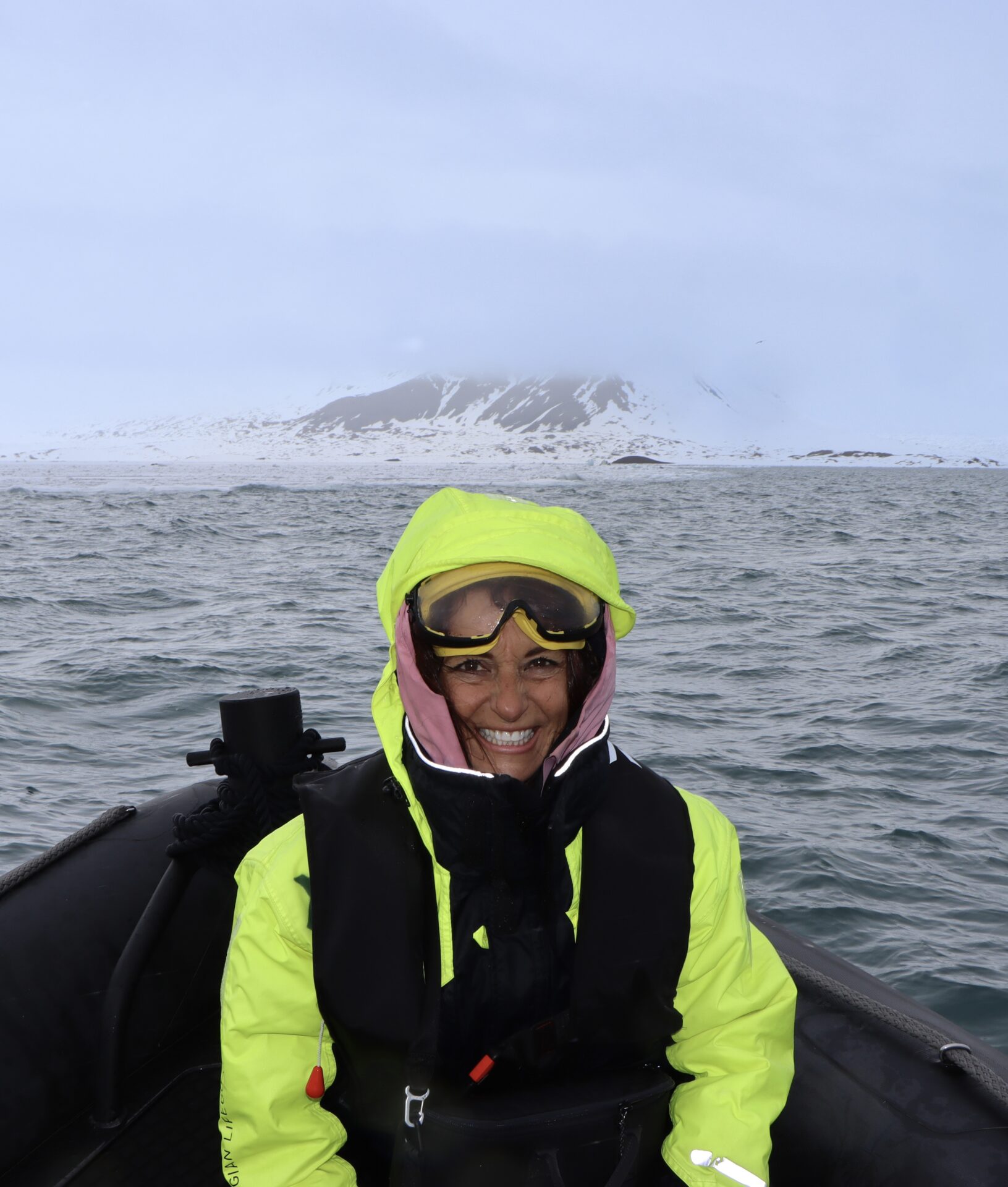
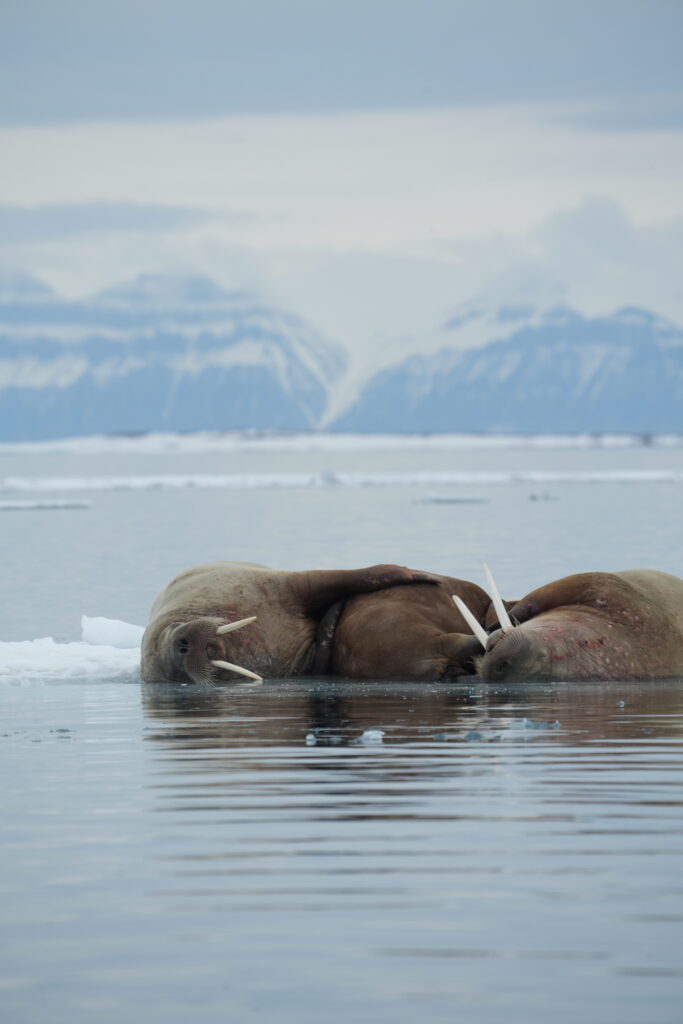
Photo: Konstantinos Sampsakis
Konstantinos Sampsakis
Husky Ride
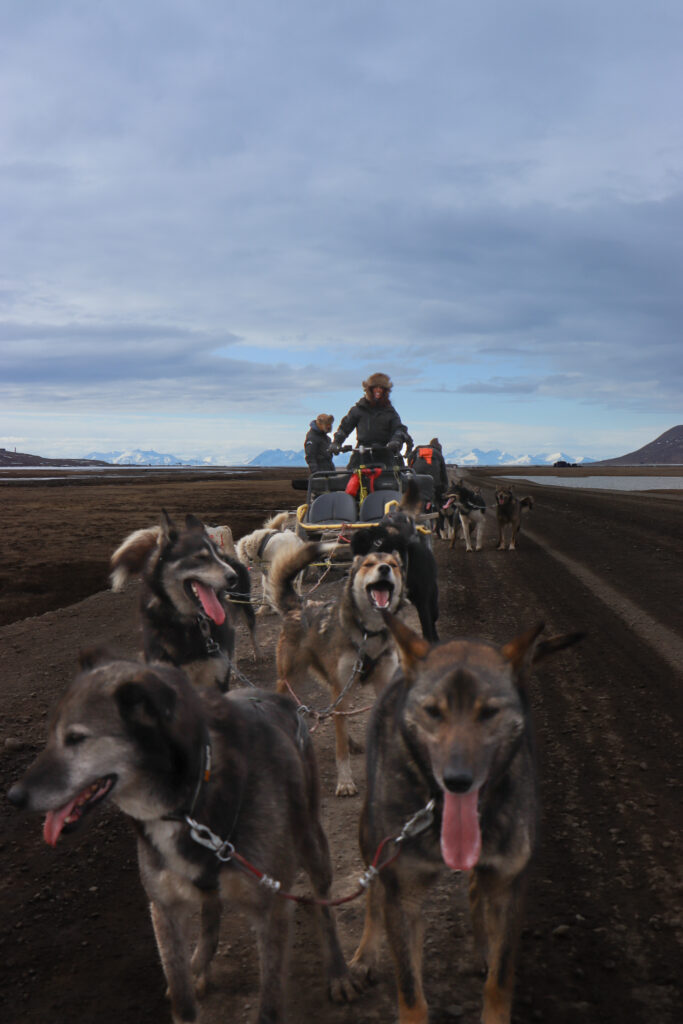
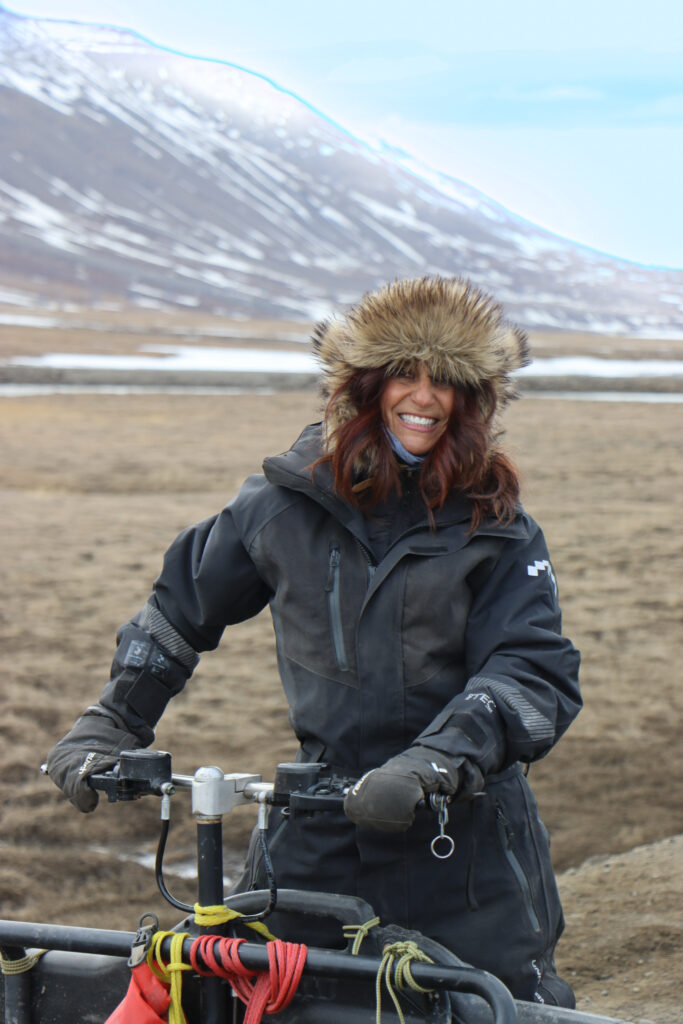
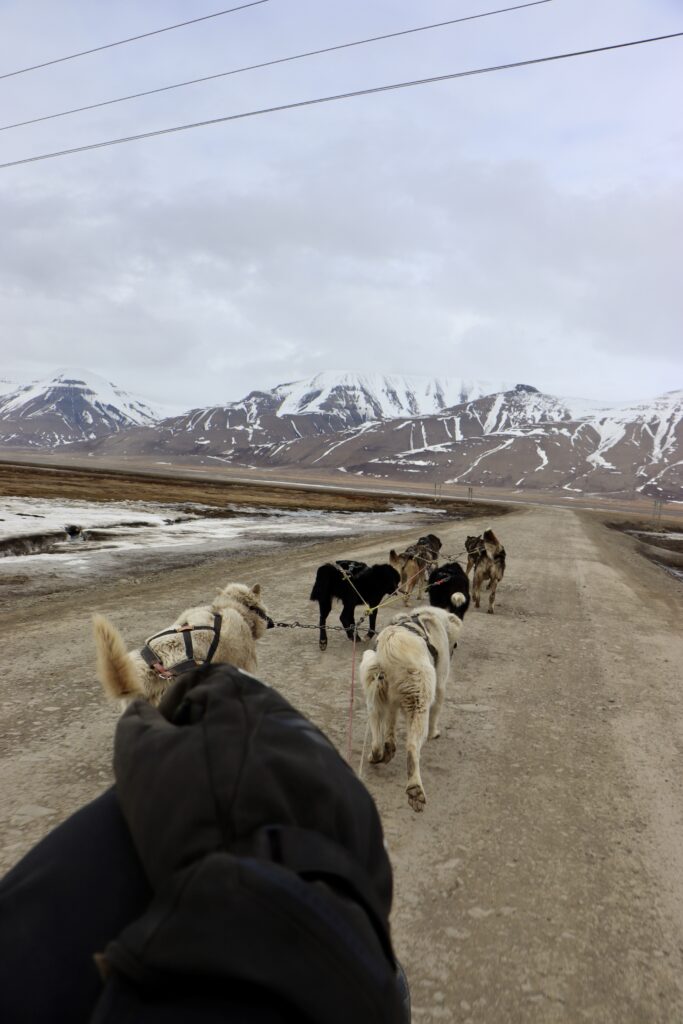
Our first activity was a husky sled ride — it was not what I pictured. The smell hits you first. Then the noise: a chorus of barking that is somewhere between a riot and an opera, and you genuinely cannot tell if the dogs are thrilled or furious (they are thrilled, it turns out). Our guide was a former firefighter from London — beautiful, calm, clearly someone who likes to be in charge — who would be mid-sentence explaining something with great warmth, then sprint outside to whisper to two rowdy dogs, then come back and continue as if nothing had happened. She had that quality of people who are entirely at home in chaos.
The gear was wonderful in its roughness — thick uniforms, hairy hats, an old heating system with actual character. And then the dogs themselves. I expected obedient and quiet. They were obedient. But they had personalities. Watch them for ten minutes and they’ll show you everything: which one wants to stop at a certain spot to drink, which one is dominant, which one is gentle and slightly unsure of itself. They talk, if you learn to listen.
Driving can be scary
Svalbard Huskies organised the ride
Off we go!
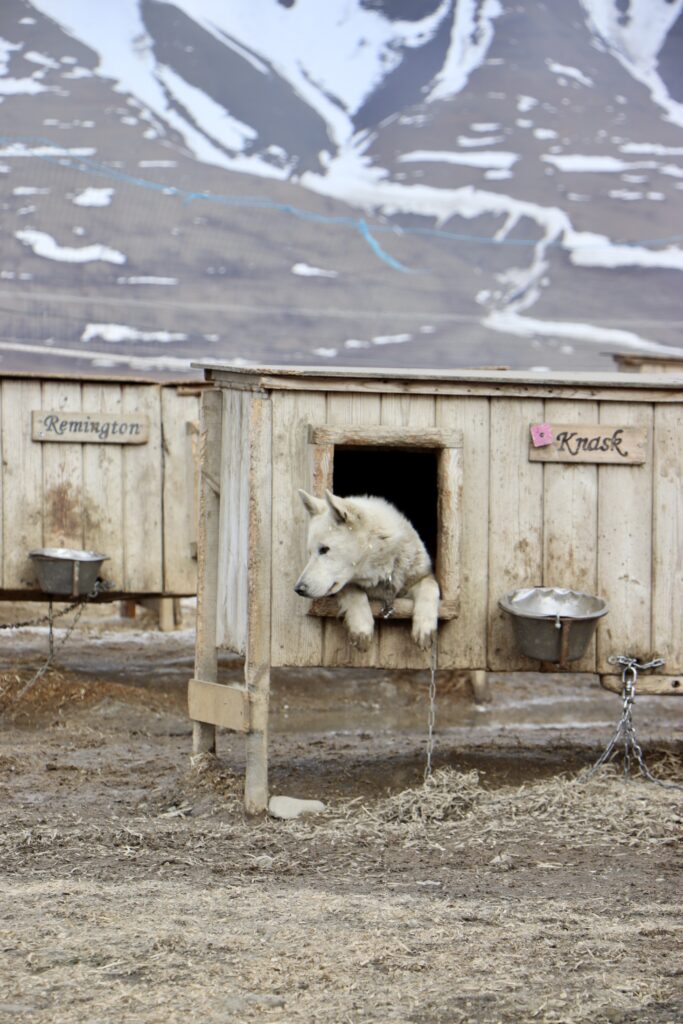
A sweet calm Husky
Hiking
The hike was brutal and beautiful in equal measure. I have never seen my hair freeze like that — solid, sculpted by the wind into something architectural. At one point I stood staring at a patch of stones for a full ten minutes, waiting for the group, just trying to keep my back to the wind. We saw reindeer (small and sturdy, moving with great dignity across the tundra) and we passed the old mines.
Coal mining is what built Svalbard. Longyearbyen — the name itself comes from John Munro Longyear, the American who started mining here in 1906 — was essentially a company town until the 1990s. The last Norwegian coal mine near Longyearbyen, Mine 7, operated until the summer of 2025. The mines are part of the landscape now, part of the identity. You can feel the history of hard labour in every building.
After that kind of day, a sauna followed by an ice-cold shower is not a luxury. It is a resurrection.
And the food. No one warns you about the food. You will eat surprisingly well in Svalbard.
One thing I want to make absolutely clear, because people mix this up constantly:
Polar bears live in the Arctic. In the north. In Svalbard.
Penguins live in Antarctica. In the south.
They have never met. They never will. I saw penguins when I ran the Antarctica Marathon at the bottom of the world. I looked for polar bears in Svalbard at the top of it. Different planets, almost, except they share a warming one. Polar bears are found across Canada, Greenland, Norway, Russia, and Alaska — anywhere in the circumpolar Arctic where sea ice exists. Not one of those places is Antarctica.
The captain who told me he didn’t care how I looked also told me about his life: ice climbing in the season, then guiding tourists on the boat — a sedentary job by his standards, one that always makes him gain weight, he said with a shrug and a grin. He loves the cold. He loves it the way some people love music or their children. “We love the cold here,” he said. “It’s just home.”
Svalbard is not a place that performs wilderness for you. It does not try to be beautiful on your schedule. It simply is what it is — raw, unhurried, and completely indifferent to whether you understand it.
And then, somehow, it gets you anyway.
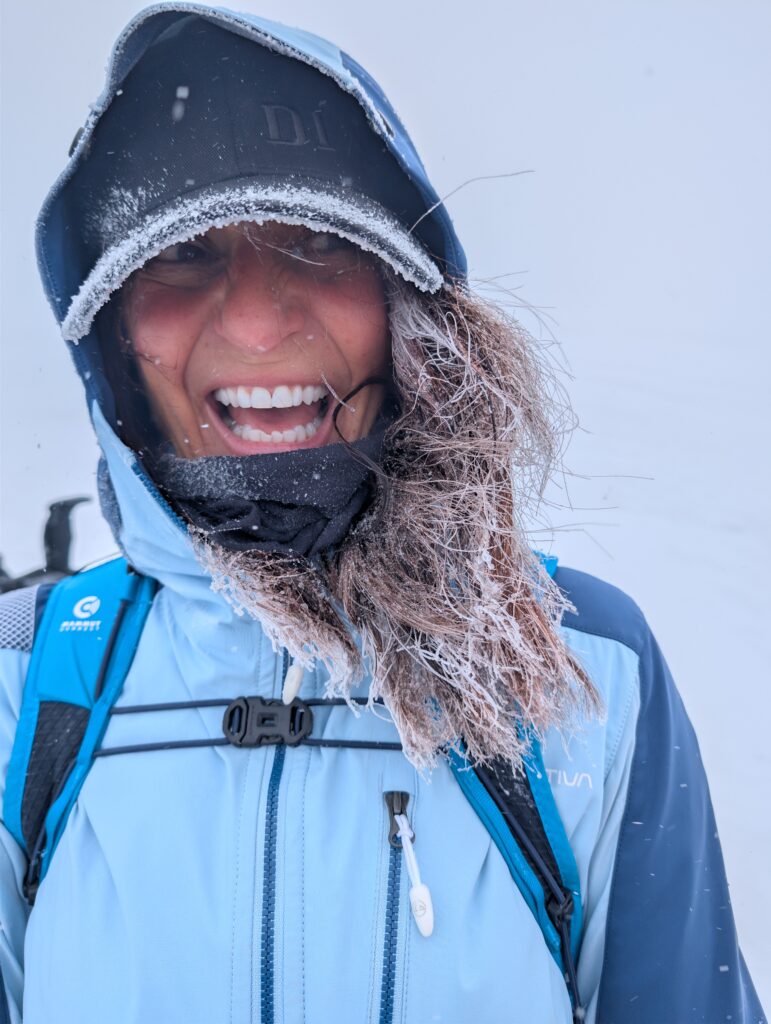
Photo: Konstantinos Sampsakis
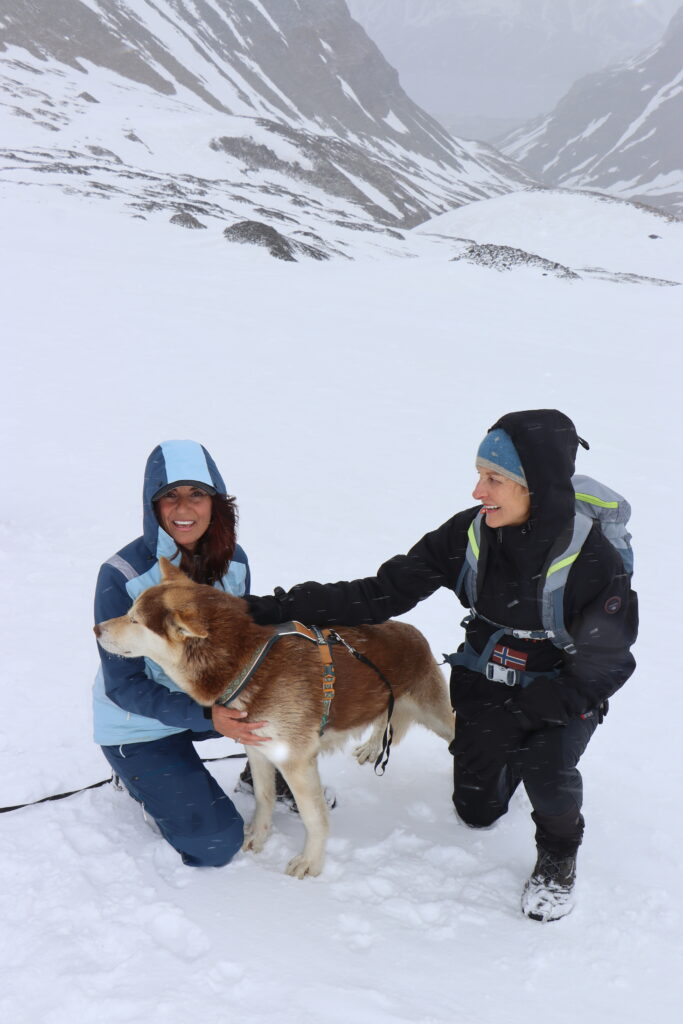
With my friend Dolores Baretta of Villa Bluu Zanzibar
Where to stay
The Funken Lodge is the place to be. Excellent breakfast, cozy rooms and fires, informal and luxury atmosphere, great history and of your se a lovely sauna to end the day with.
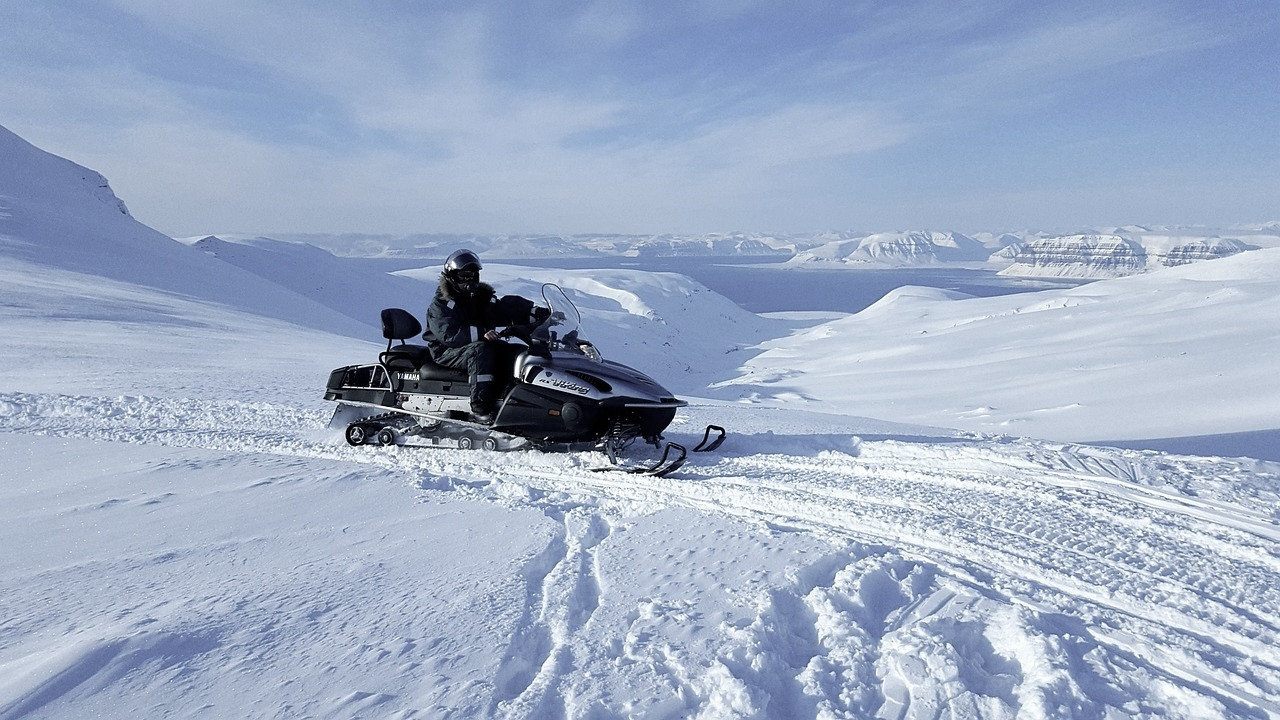
Svalbard
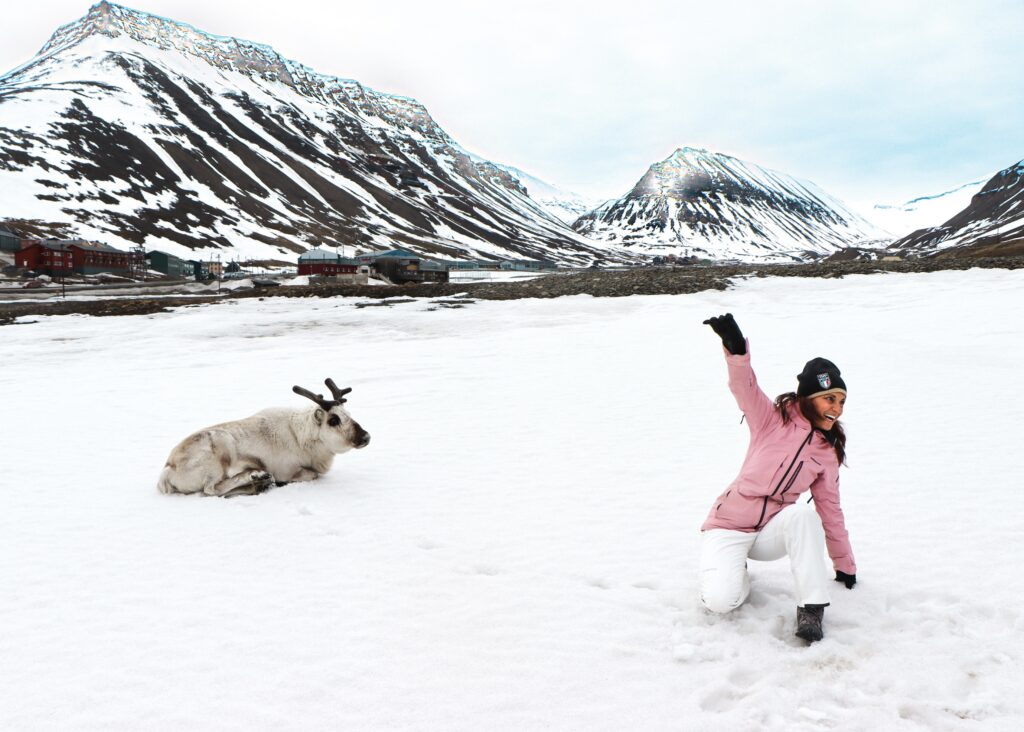
Reindeers are often seen in Longyearbyen
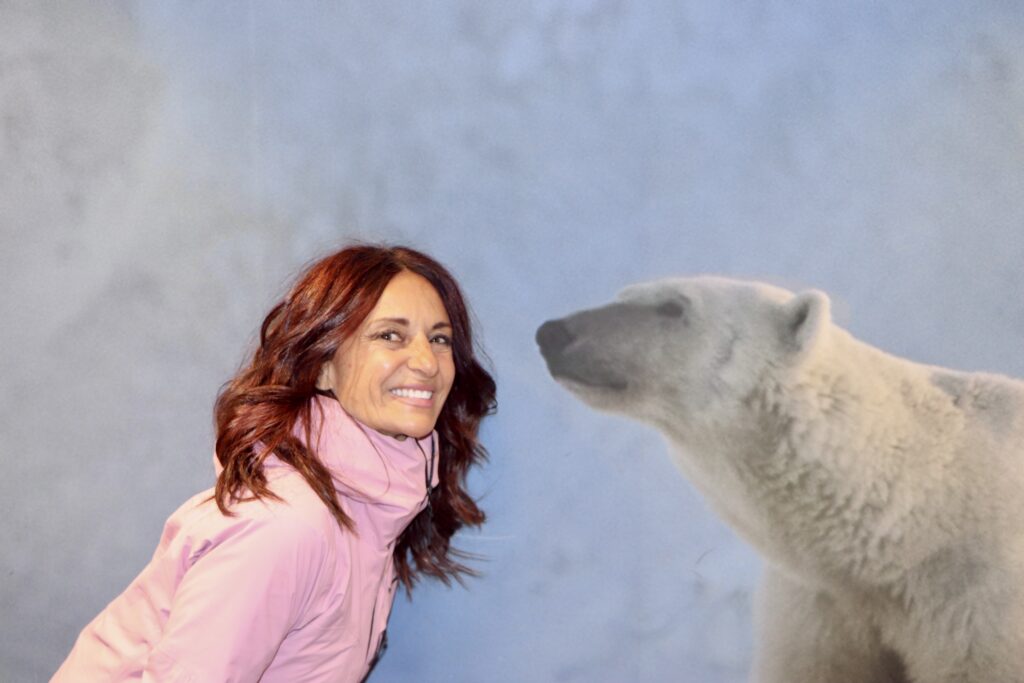
Don't try this at home
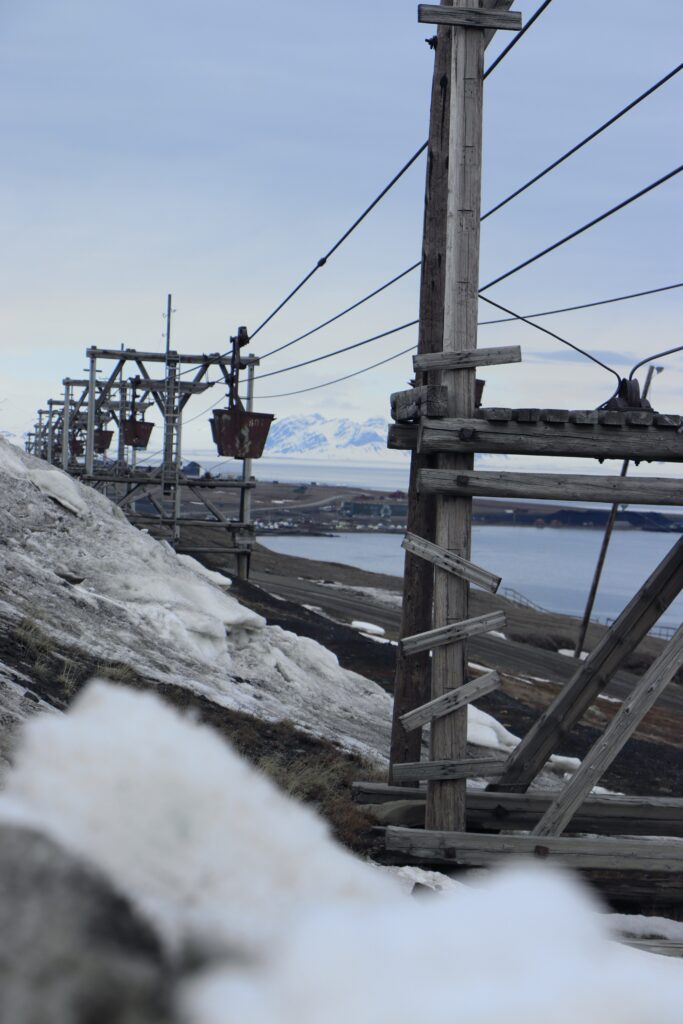
The old mine
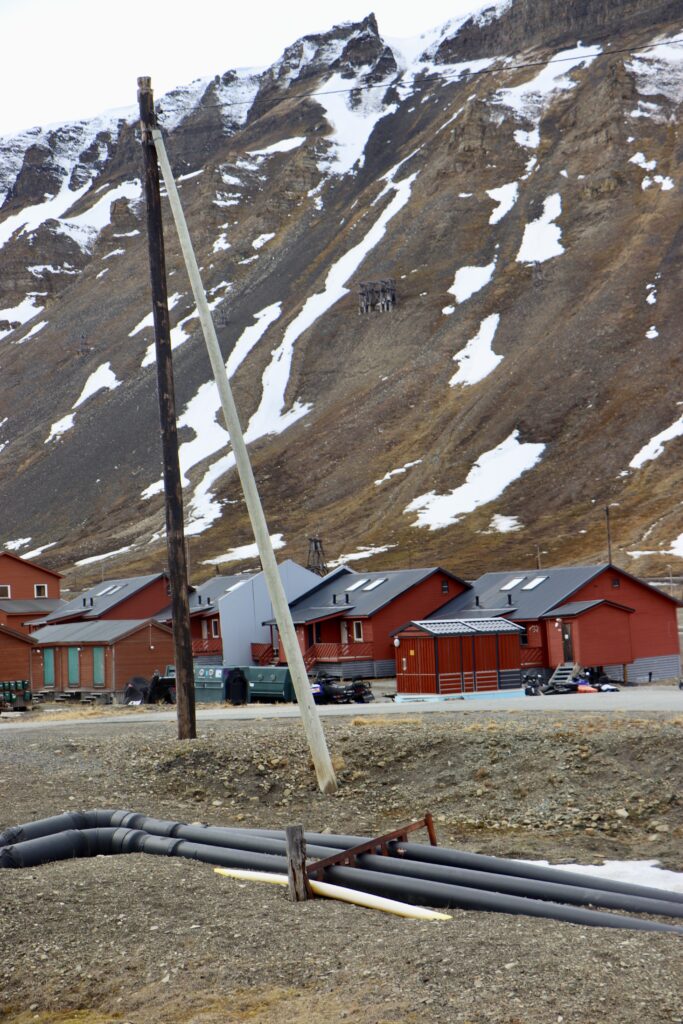
Pipes run outside because of permafrost
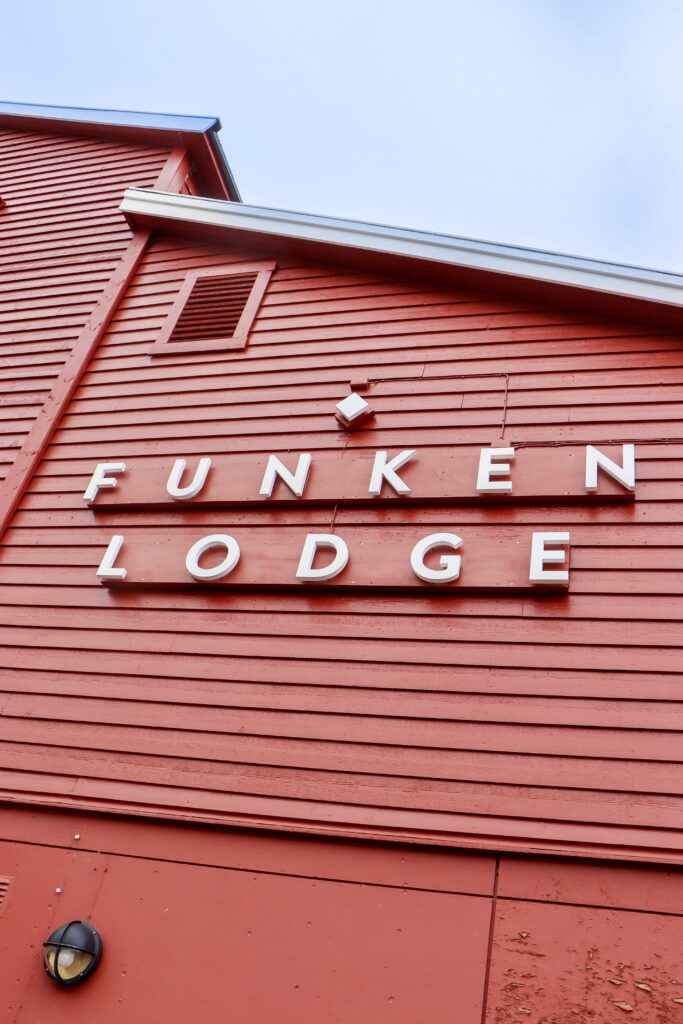
Luxury retreat: The Funken Lodge

Norwegian knits
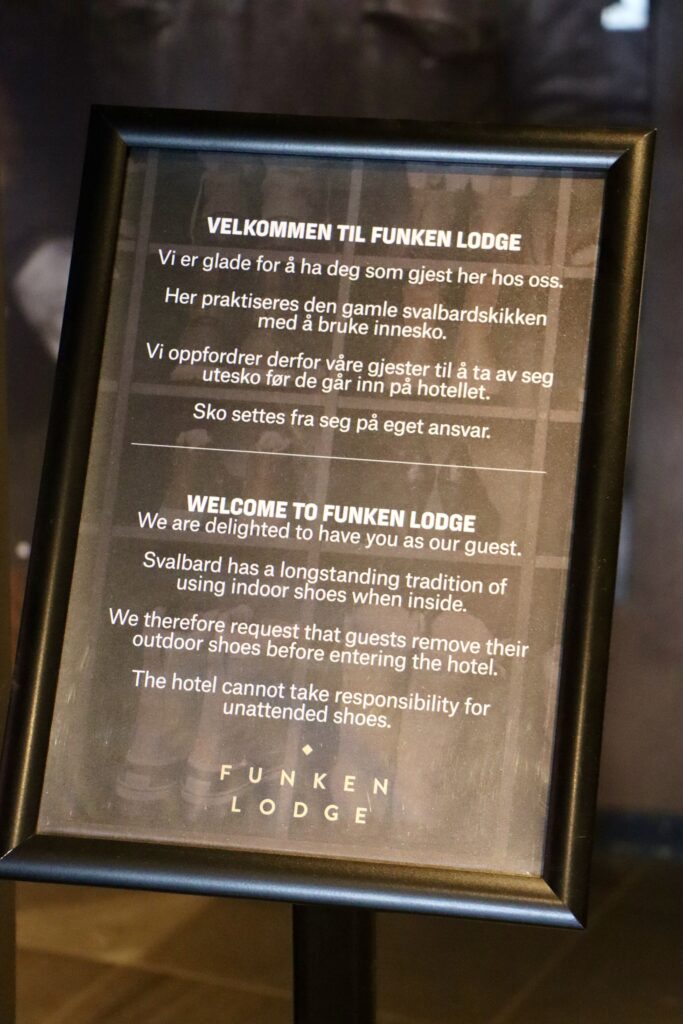
A Svalbard tradition....
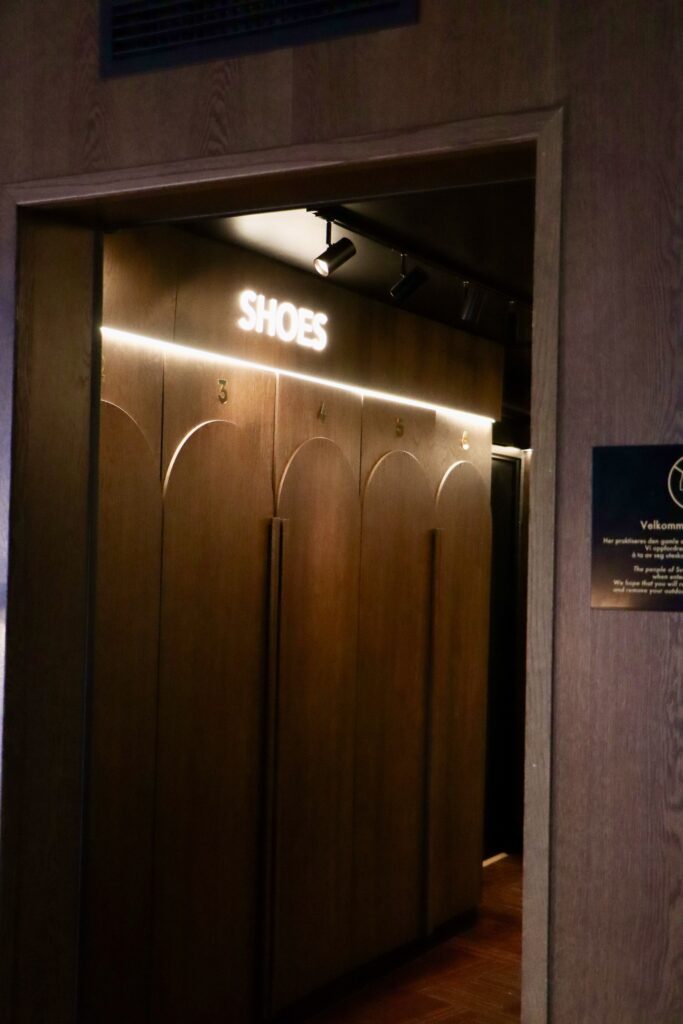
...shoes remain outside
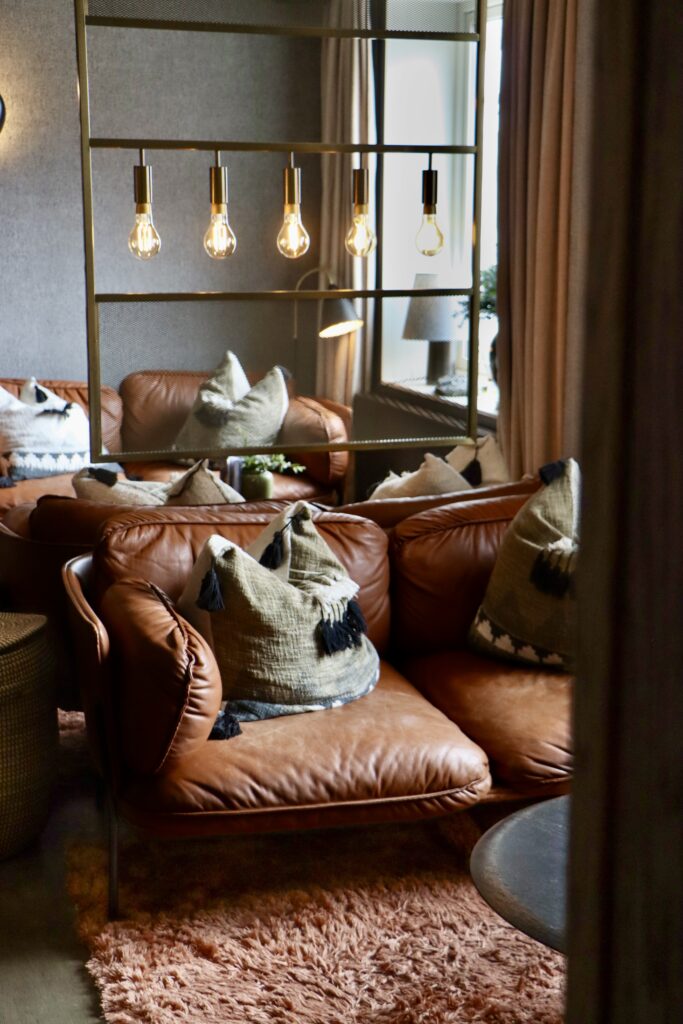
Cozy sofas
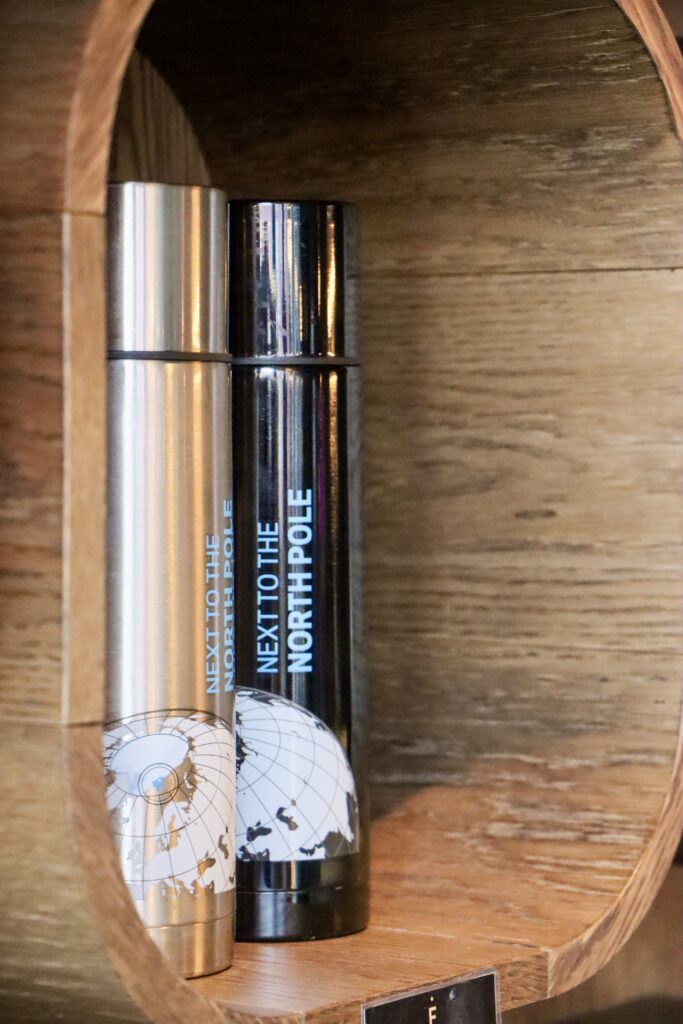
Almost at the North Pole
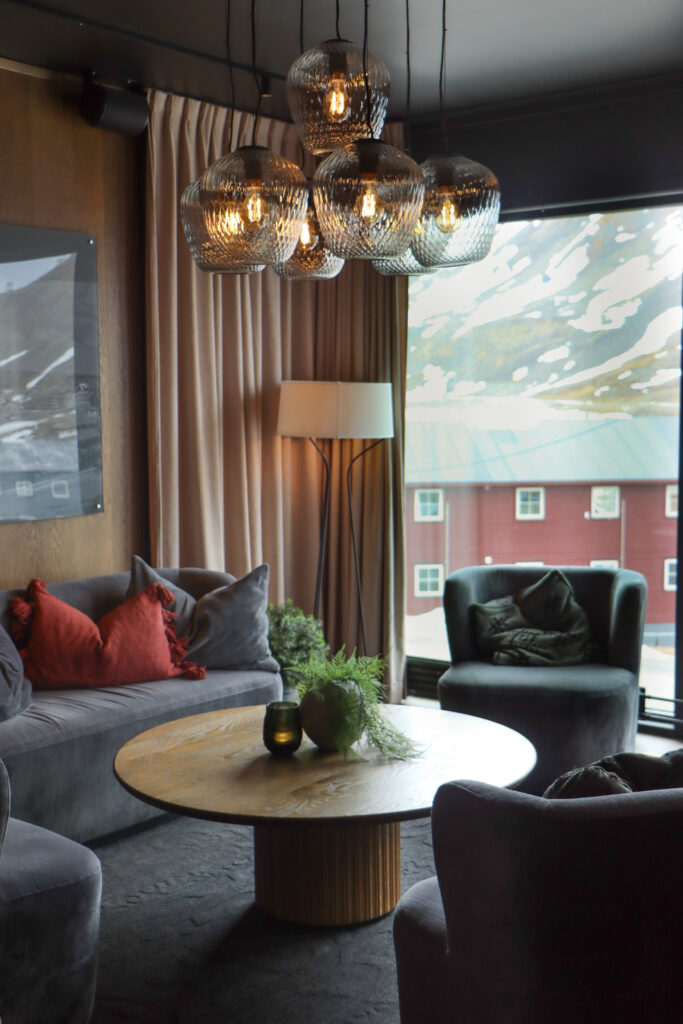
Lovely views
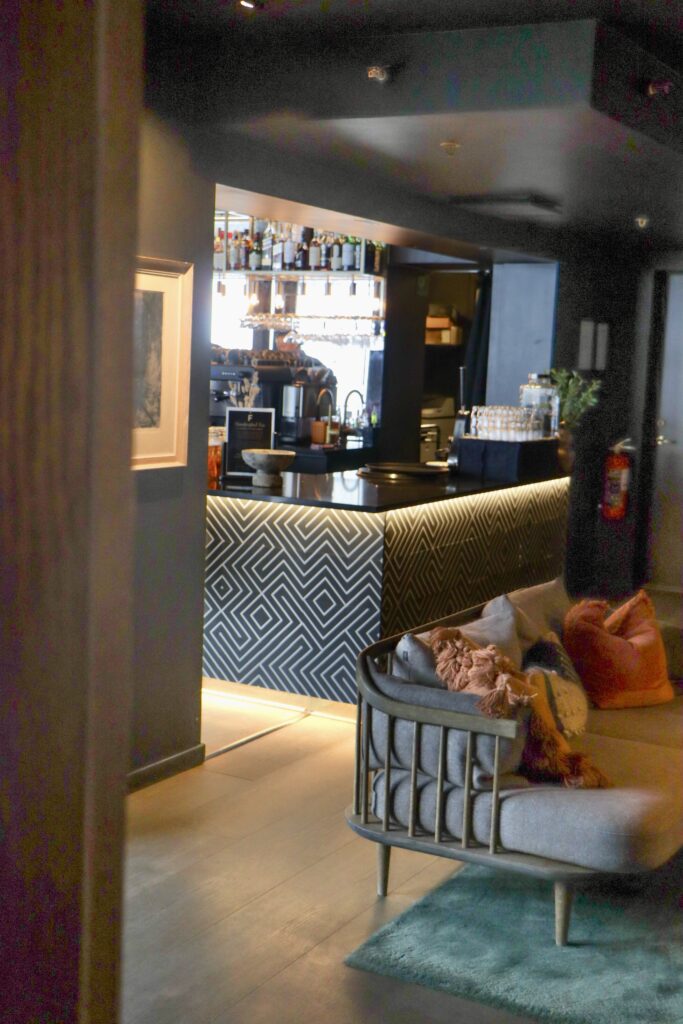
The bar