




Arezzo: Virtue, Fortune, and the Tabaccheria Who Started a Chain Reaction

Beatrice Lessi
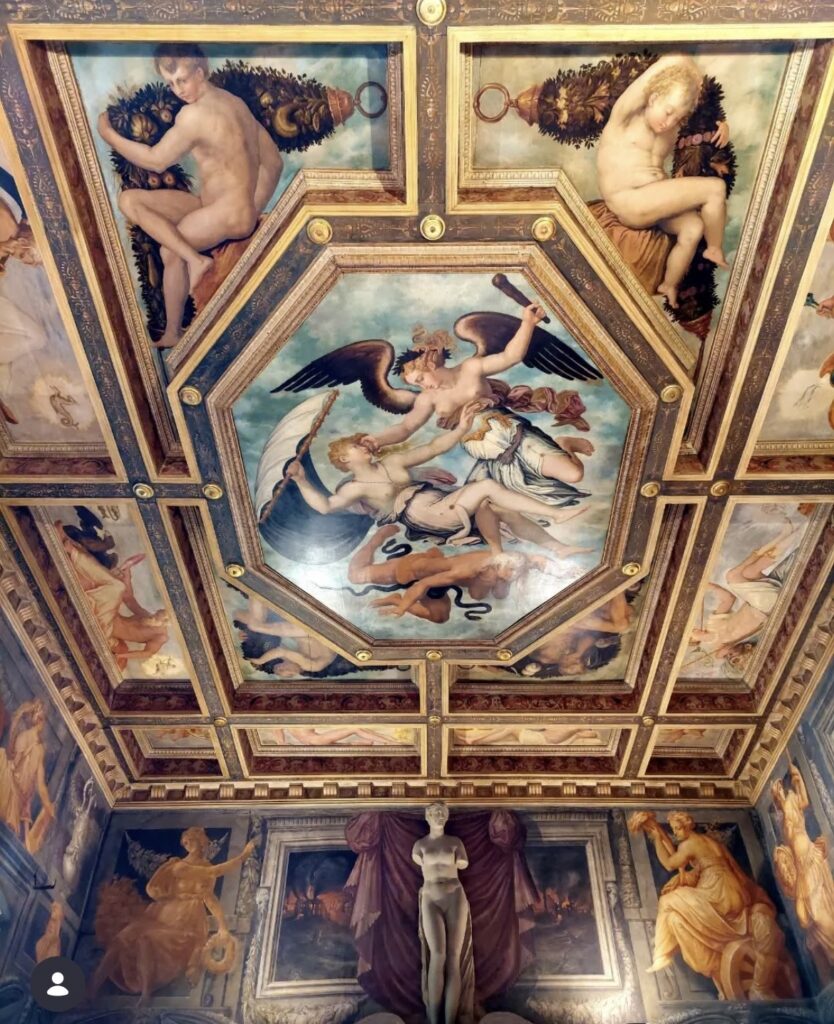
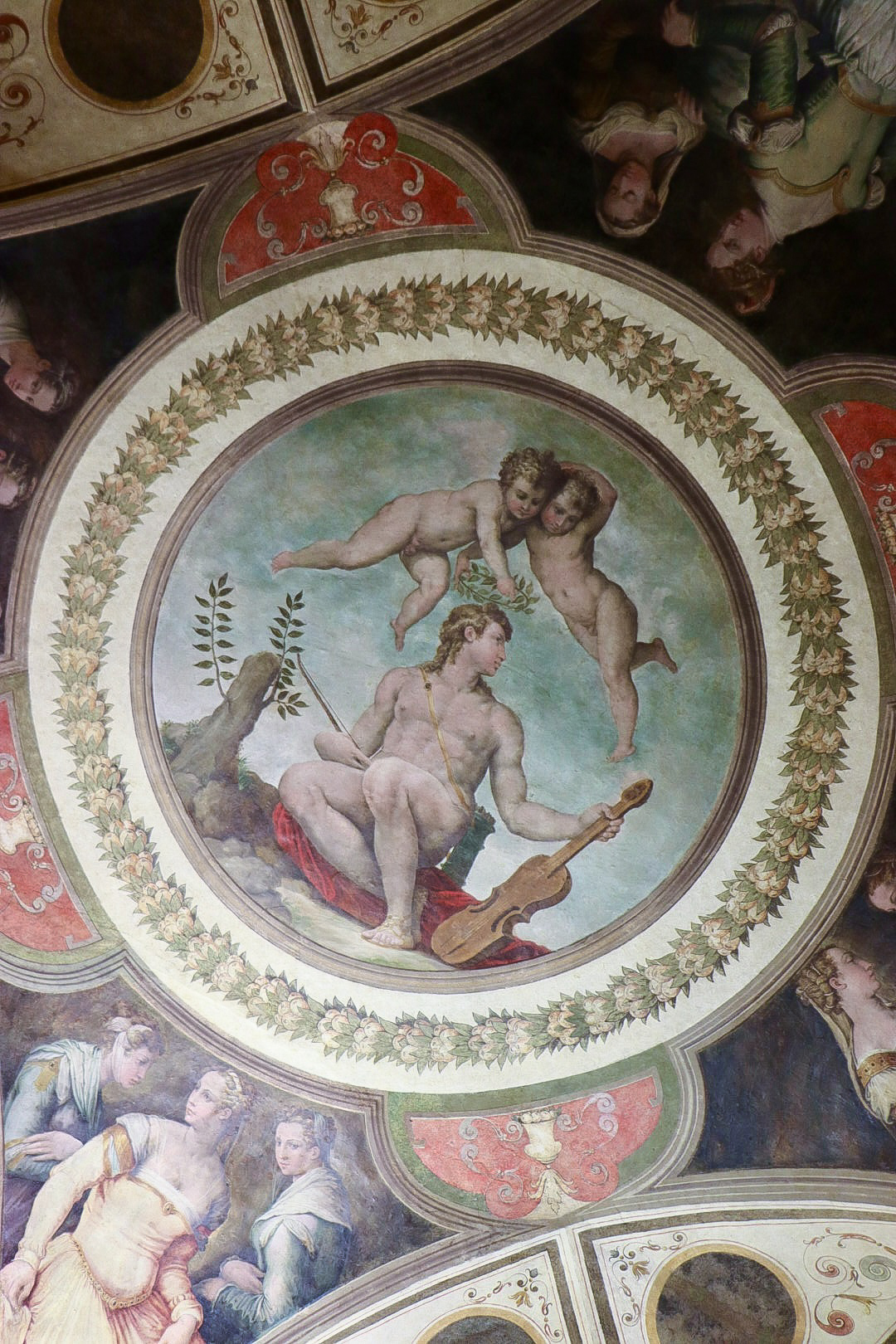
So there I was, on the floor of Casa Vasari, staring at the ceiling like it was a TED Talk from 1560.
Michelangelo is my hero, and in Arezzo I found out one of his best friends was Giorgio Vasari: younger, talented, and the guy who ended up writing the story of everyone else’s genius.
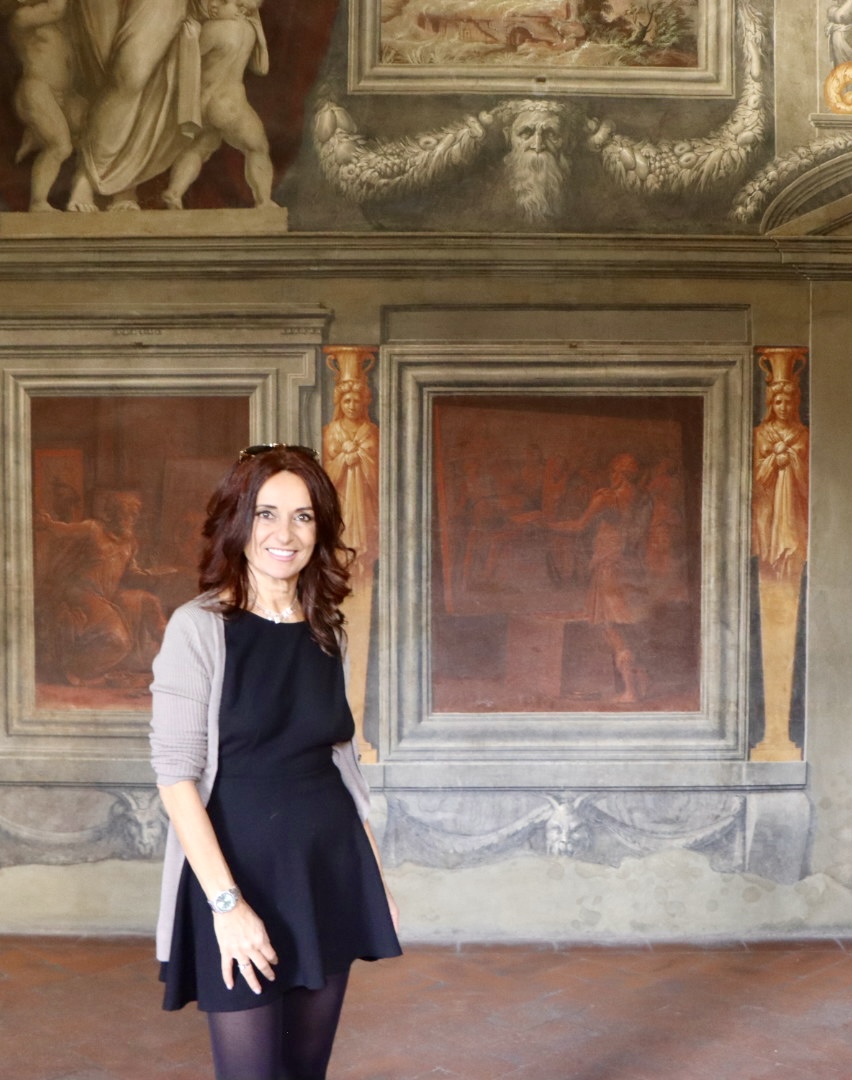
And the best part is: in Arezzo you can literally walk into the house Vasari built for himself — not just to live in, but to showcase his mastery. Casa Vasari is basically his personal showroom: architecture, frescoes, symbolism, and a very confident message that says, “Yes, I can do it all.”
Which is why I ended up on the floor, neck at a weird angle, staring at the ceiling like it might answer my life questions.
Above my head were three women painted like a lesson in how life works:
Virtue is doing the work.
Fortune is the random wind that helps (or ruins) your hair.
Envy is the voice that whispers, “Yes but… what about them?”
I didn’t come to Arezzo for art.
I came because one of my brothers had surgery.
Not exactly a holiday. More like hospital corridors, espresso, and that strange waiting-time limbo where you can’t do anything useful, so you start walking.
Between visits, I began exploring the city with no plan at all.
And that’s when Arezzo got me.
Only in Italy
In Switzerland, I check everything.
In Italy, you ask.
I needed a pharmacy, so I did what my Swiss brain always does: Google Maps. I walked there. Road blocked. Pharmacy closed.
So I remembered where I was.
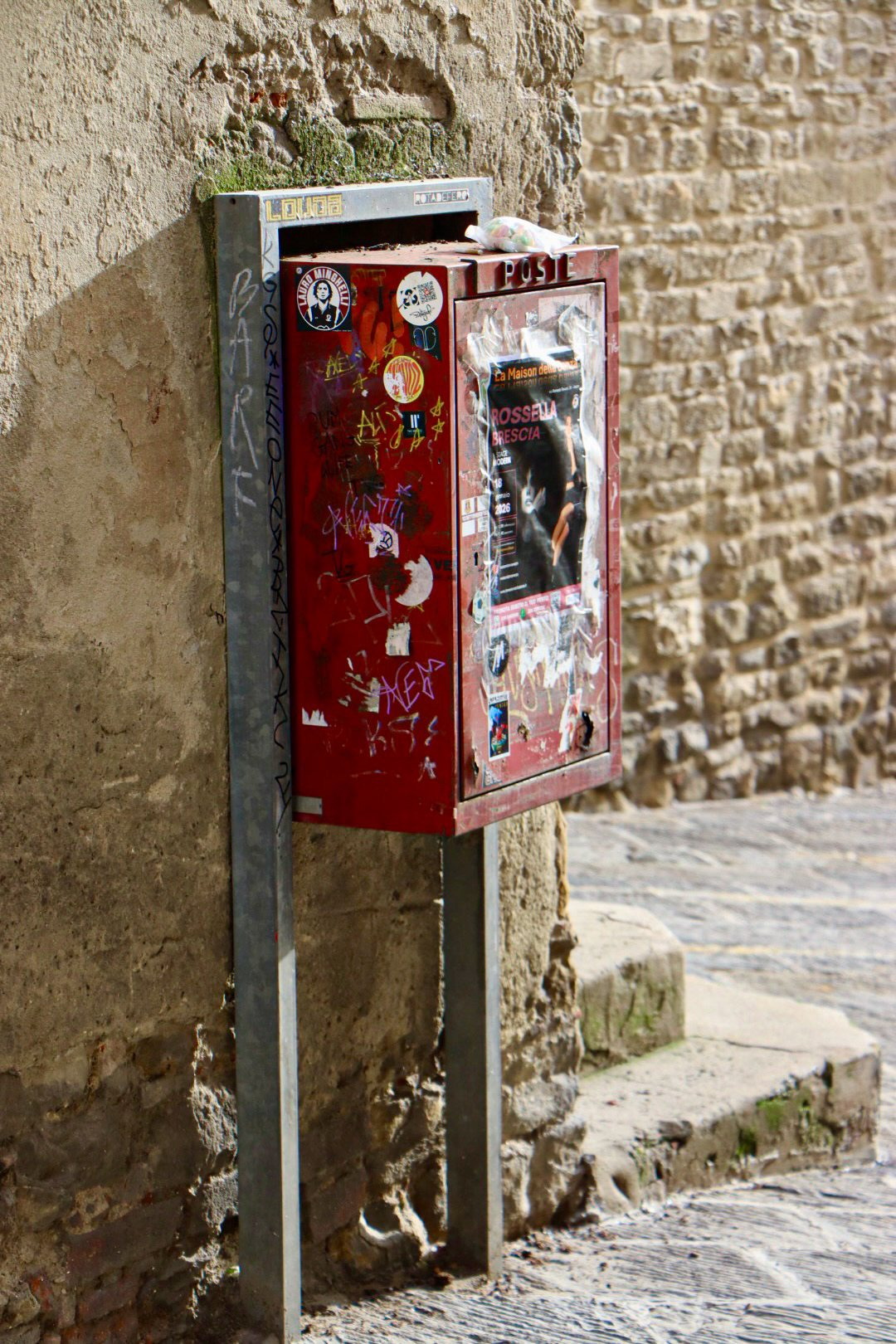
I stepped into a little Italian tobacco shop — one of those places that sells cigarettes, bus tickets, stamps, and random useful things, and where the person behind the counter somehow knows everything about the neighbourhood.
(In Italy it’s called a tabaccheria. Think of it as local Google, but with a human face.)
I asked where I could find a pharmacy. The man behind the counter gave me directions. I thanked him and started walking. It was about one kilometre away — for a marathon runner, basically a relaxing stroll.
Three minutes later, a car slowed next to me.
A woman leaned out and asked:
“Are you the ragazza (sic!) who needs a pharmacy?”
I said yes.
She smiled and said the man at the tobacco shop had told her he hadn’t realised I had no car, and that I should hop in because I have “culo” (Italian for “good luck”) and she works near there anyway.
I laughed. “I’ve had culo all my life — and today too. Thank you.”
I got in.
Then she added: he would have offered me a lift too, but he assumed I might be scared by a woman.
Only in Italy do you get a ride because a tobacco shop turned you into a community project.
The taxi driver who remembered my voice
The next day I took a taxi. The driver was funny, and at the end he gave me his card to call him for the way back.
Later, I forgot the card (of course I did) and called the taxi central again to return to the hospital.
My taxi arrived.
Same guy.
I said, “Are you the same driver?”
He said, “Of course. I told you to call me.”
Then he explained that when I called the taxi central, he heard my voice and said: “That signora is simpatica. I’ll go pick her up.”
Casa Vasari and Piazza Grande
Casa Vasari isn’t just beautiful — it’s sharp. Vasari wasn’t only an artist and architect; he was also the storyteller of the Renaissance, the man who turned talent into legend.
And in a week made of worry and waiting rooms, that ceiling hit harder than I expected: do the work, accept the wind, ignore the whispering.
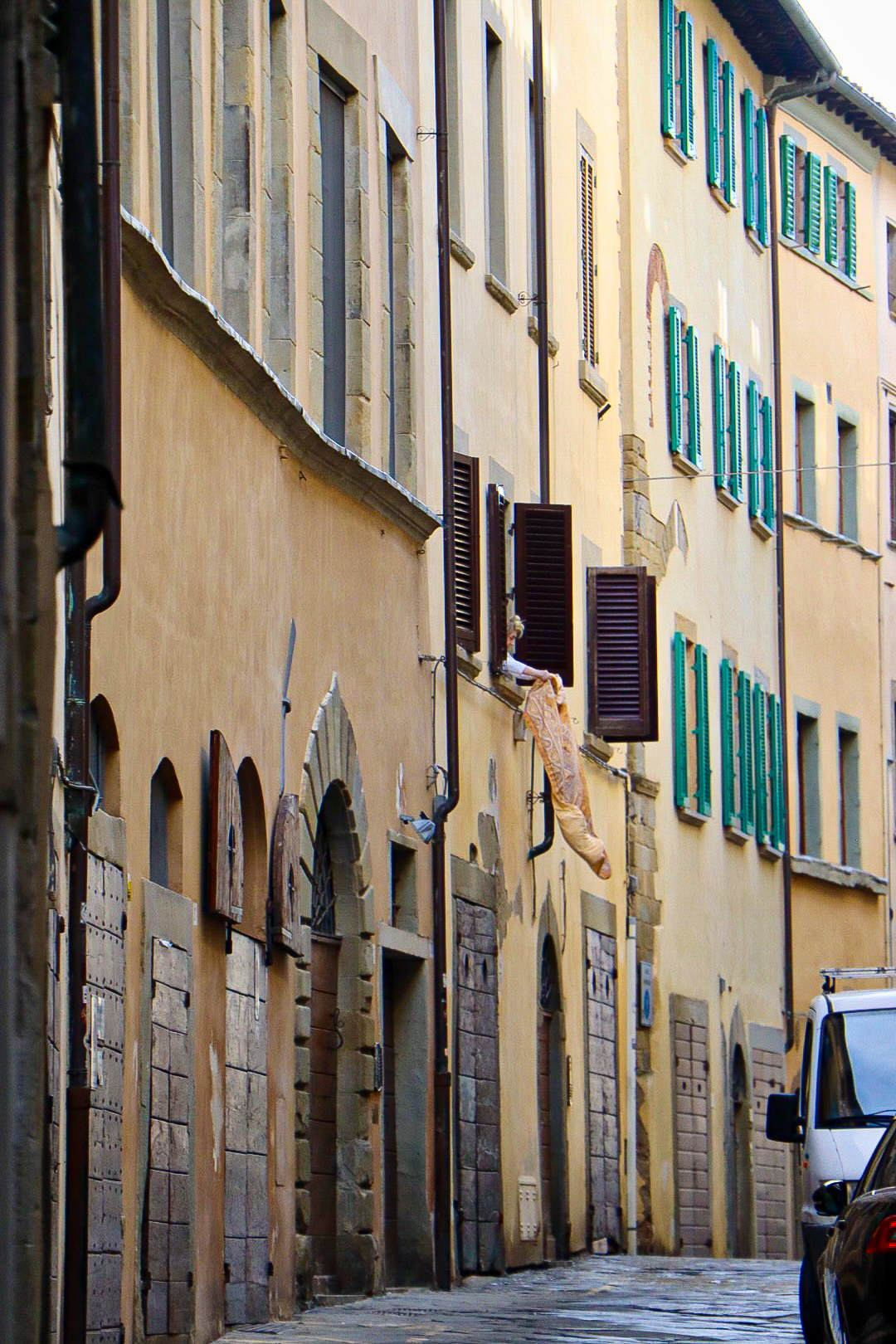
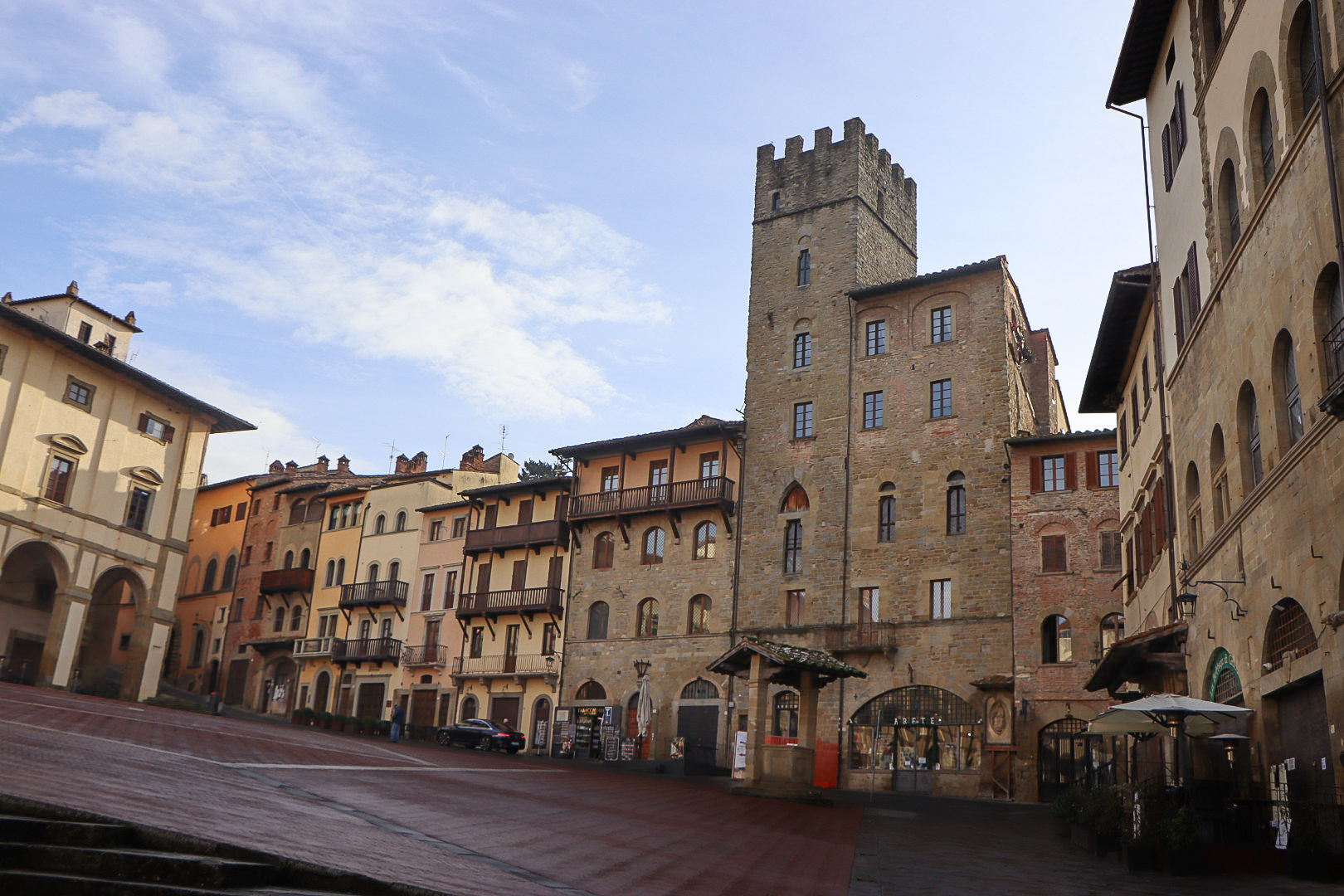
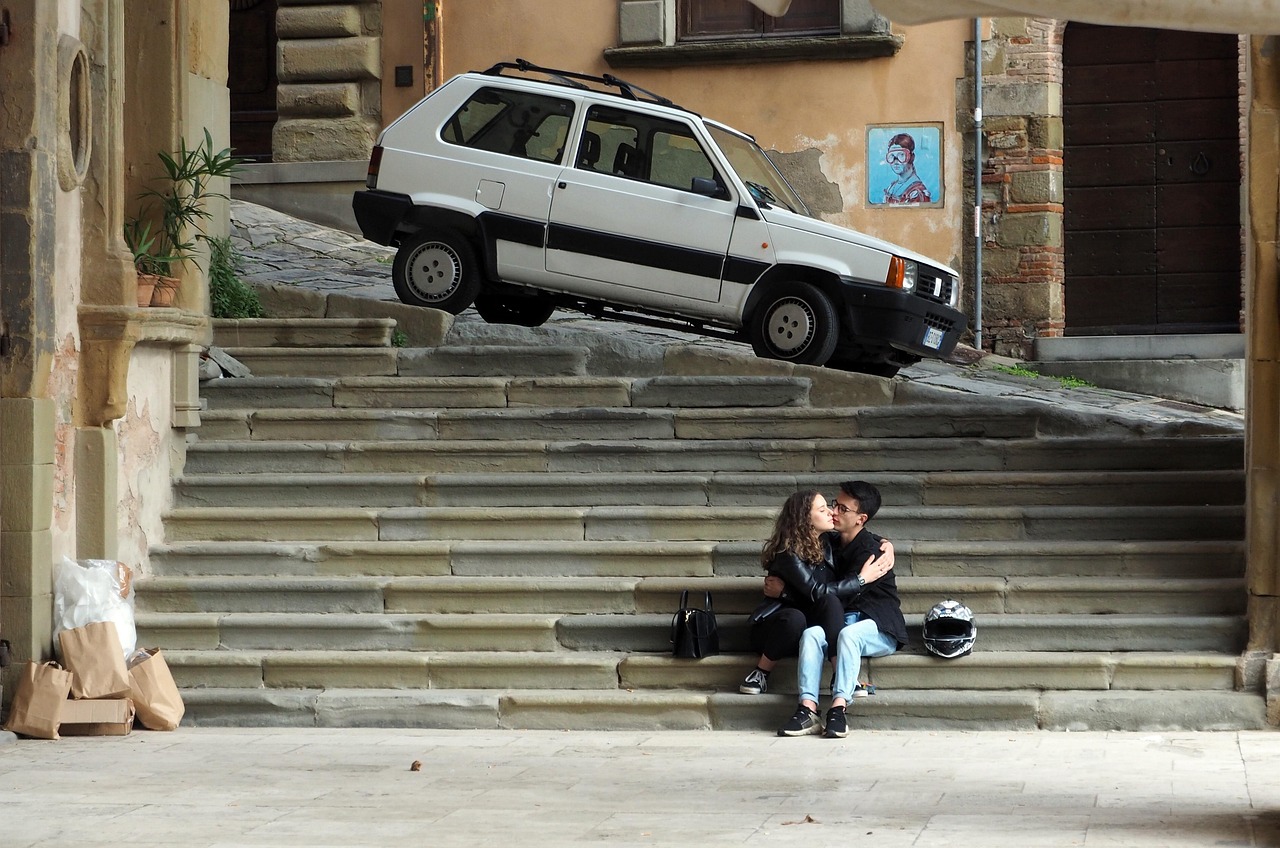
Then there’s Piazza Grande: slanted, elegant, and oddly cinematic. You walk into it and feel the weight of history without needing a guidebook. Arezzo doesn’t shout. It just stands there, quietly impressive.
Arezzo, the city that helped without making a fuss
I went to Arezzo for my brother. I didn’t go looking for inspiration, but I found it anyway — in the way people spoke to me, helped me, and remembered me.
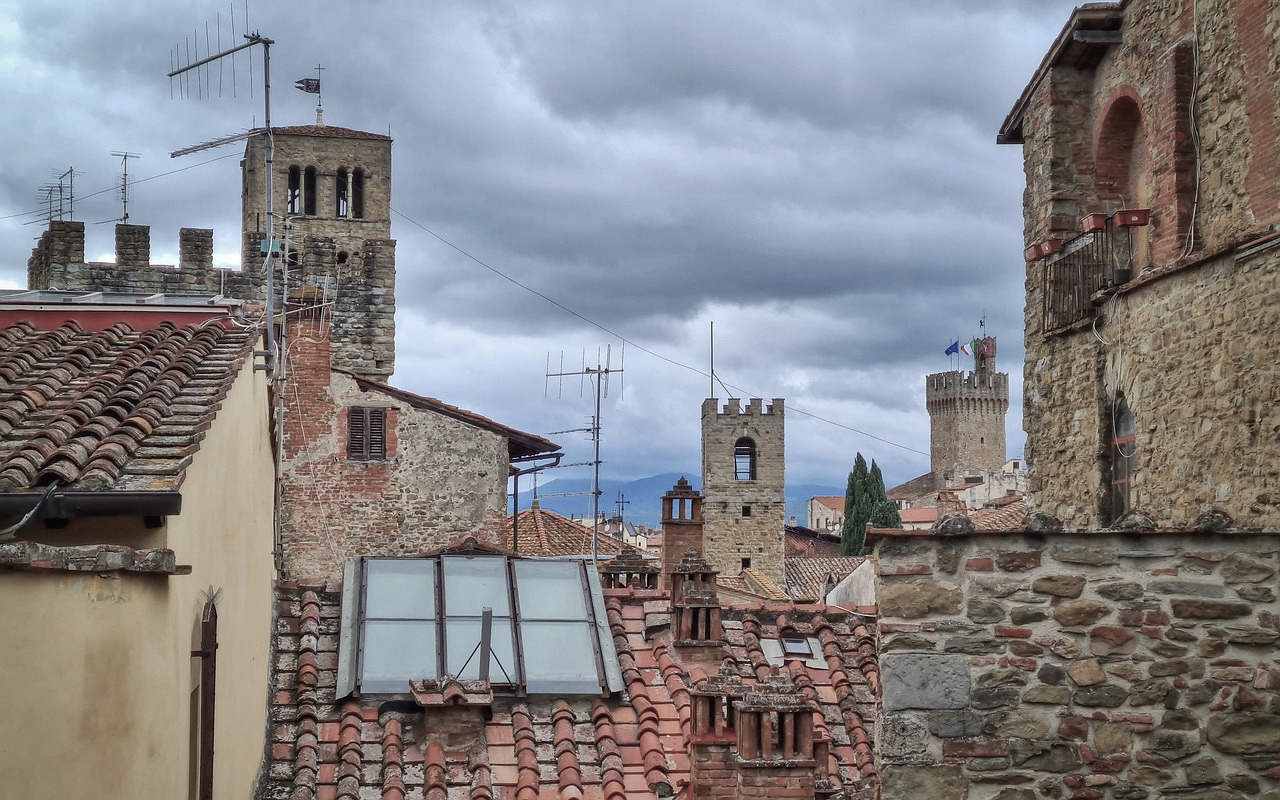
Arezzo is one of those places where you feel the Renaissance in the stones, but also something else: the old Italian skill of making room for strangers.
And when you’re going through a hard week, that matters more than any museum ticket.