


Mental Training for the Salomon Athletes
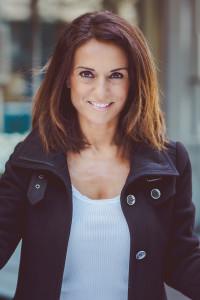
Beatrice Lessi
Mental training — what is it exactly, and how do champions master it?
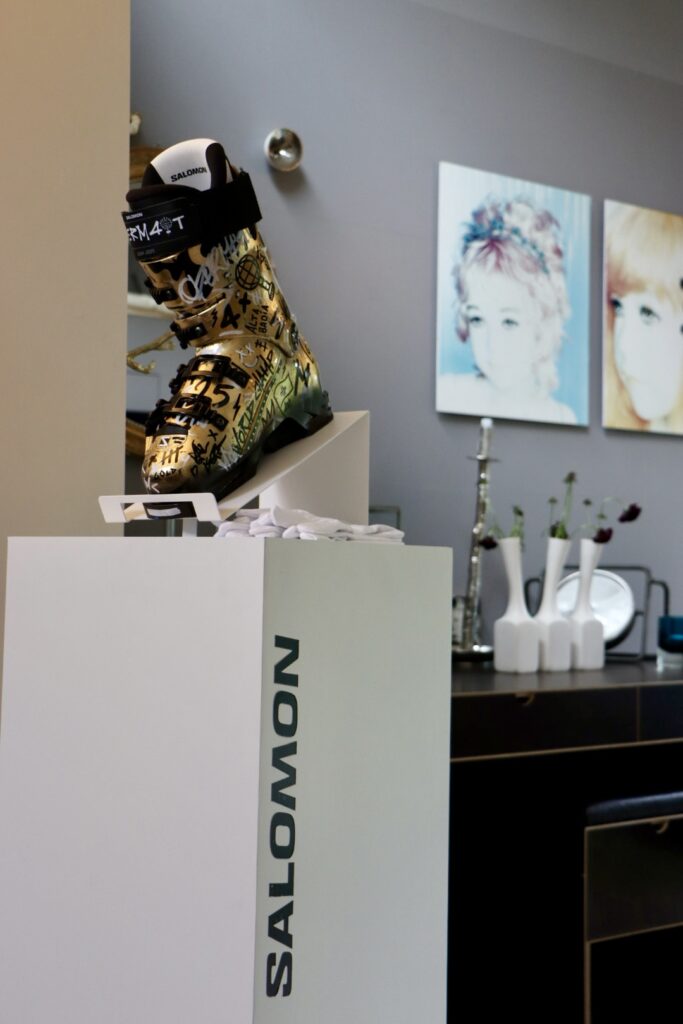
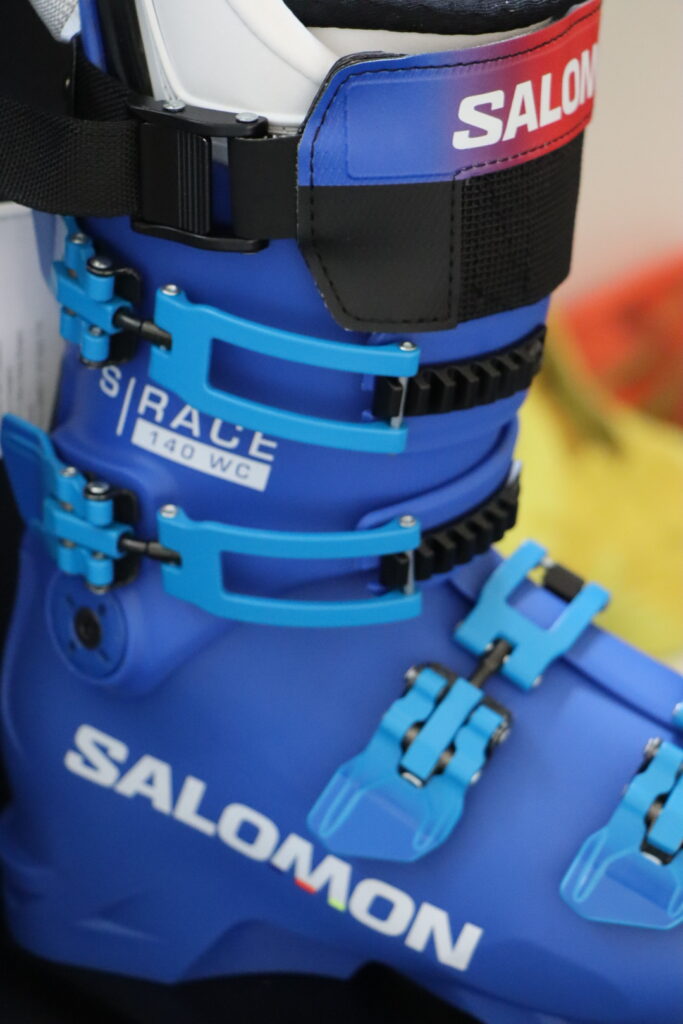
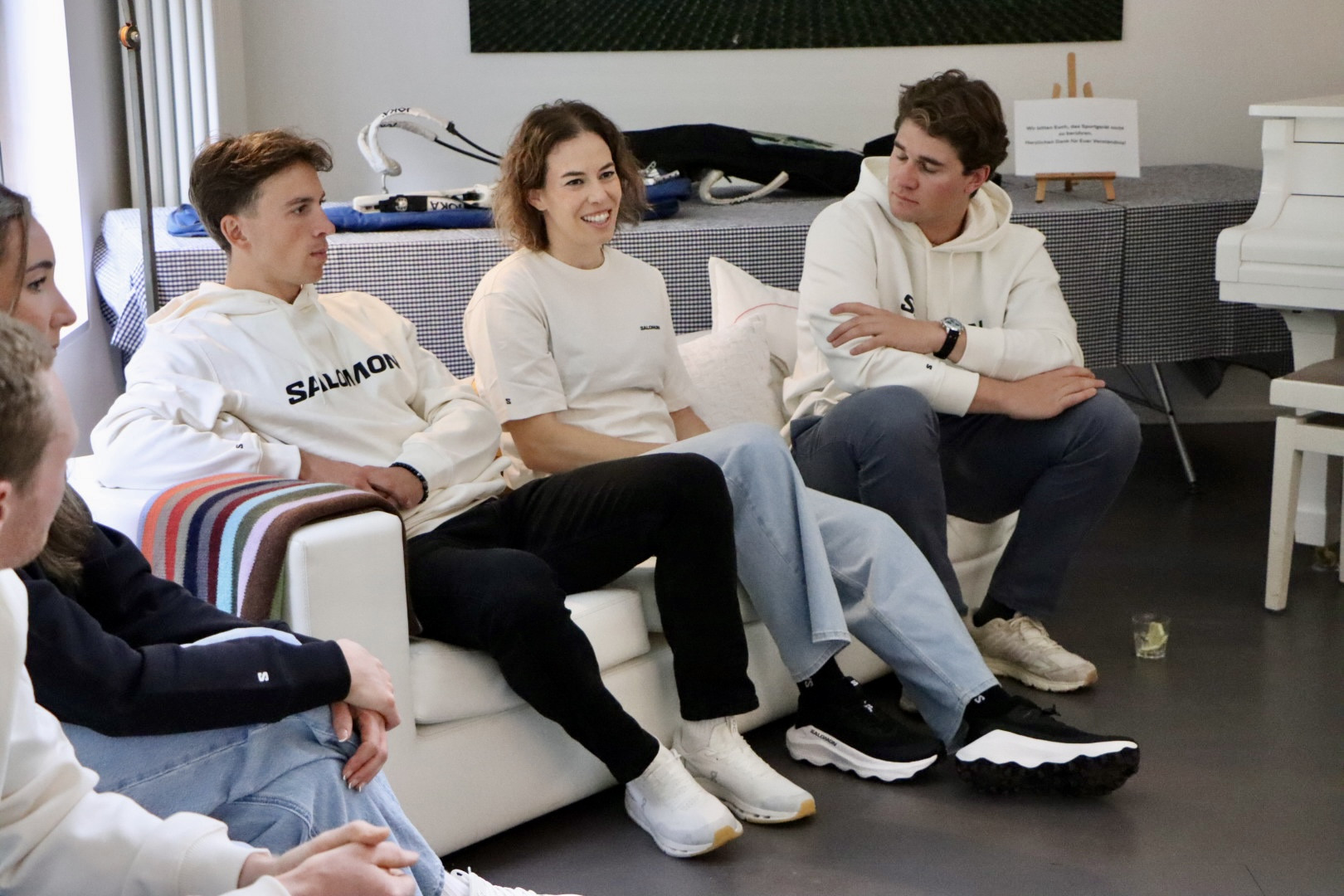
A day in Zürich’s most artistic district with Salomon and their crew, moderated by Annette Fetscherin, offered insights straight from top athletes and a first look at the new winter sports collection. Gockhausen, with its eclectic architecture and creative energy, was the perfect backdrop for conversations that went far beyond physical performance.
Mental Techniques as Essentials
🧠 Techniques like visualization, relaxation, and concentration are part of every elite athlete’s toolkit. The most prepared body won’t perform without a trained mind. These tools are not just accessories — they’re foundational. Whether it’s preparing for a race or recovering from a setback, the mind is the engine behind every move.
- Meet the Salomon Athletes
The day featured a group of exceptional athletes from across different winter sports disciplines — each one sponsored by Salomon and pushing the limits in their field:
-
Michelle Gisin – Swiss alpine skiing superstar, Olympic gold and bronze medalist, known for her resilience and technical versatility across all disciplines.
-
Valerio Grond – One of Switzerland’s fastest cross-country skiers, already making his mark on the World Cup circuit with sprint podiums and team medals.
-
Aita Gasparin – Biathlon talent from the well-known Gasparin family, representing Switzerland with both calm precision and competitive fire.
-
Sebastian Stalder – A rising name in biathlon, combining endurance and marksmanship with a thoughtful, methodical mindset.
-
Arnaud Boisset – Promising alpine skier specializing in speed events, known for his mental toughness after coming back from a major injury.
These athletes may come from different disciplines, but they all rely on mental strength as much as physical prowess.
Individual Styles, Shared Goals
🎯 Approaches vary — each athlete finds their own style:
-
Sebastian switches into beast mode, reminding himself he’s trained for this all season. But he also spoke about the challenge of stopping thoughts entirely — a mental silence that’s nearly impossible, yet crucial to manage.
-
Aita needs to get into flow, to find Lockerheit — a relaxed, effortless state — to give her best. Her calmness is her power.
-
Arnaud jokes until ten minutes before the race, then goes quiet to concentrate. He also needs days completely offline, without his phone, to break through mental blocks and find clarity. After his accident, he spent a long time investigating its emotional roots. Without that deep inner work, he said, he could never have overcome the overwhelming blockade it left behind.
The Aftermath of Victory
Valerio Grond shared a lesser-discussed truth: after a big win or a medal, there’s a void. A kind of break. The motivation to start again for another competition doesn’t come automatically — it requires mental work. For him, switching off doesn’t mean a beach holiday. It means retreating to a hut in the mountains, hunting, and being completely isolated. That’s where his mind finds peace.
Recovery and Resilience
💥 Injuries and recovery are part of the game. Working with psychologists and exploring the emotional roots of an accident are essential steps toward healing. The physical body may heal quickly, but the mind needs time, attention, and often professional support to truly recover.
Beyond Sport
📈 Today’s sports are so professional and demanding that mental preparation is no longer optional — it’s fundamental.
🎓 Mental training also boosts performance in study, work, and everyday life. Athletes invest heavily in it, and the benefits extend far beyond competition.
Turns out, training your mind isn’t just powerful — it’s a superpower. And like any superpower, it’s cultivated through practice, patience, and self-awareness. Whether you’re chasing medals or simply trying to be your best self, the lessons from Gockhausen remind us: the mind is where it all begins.
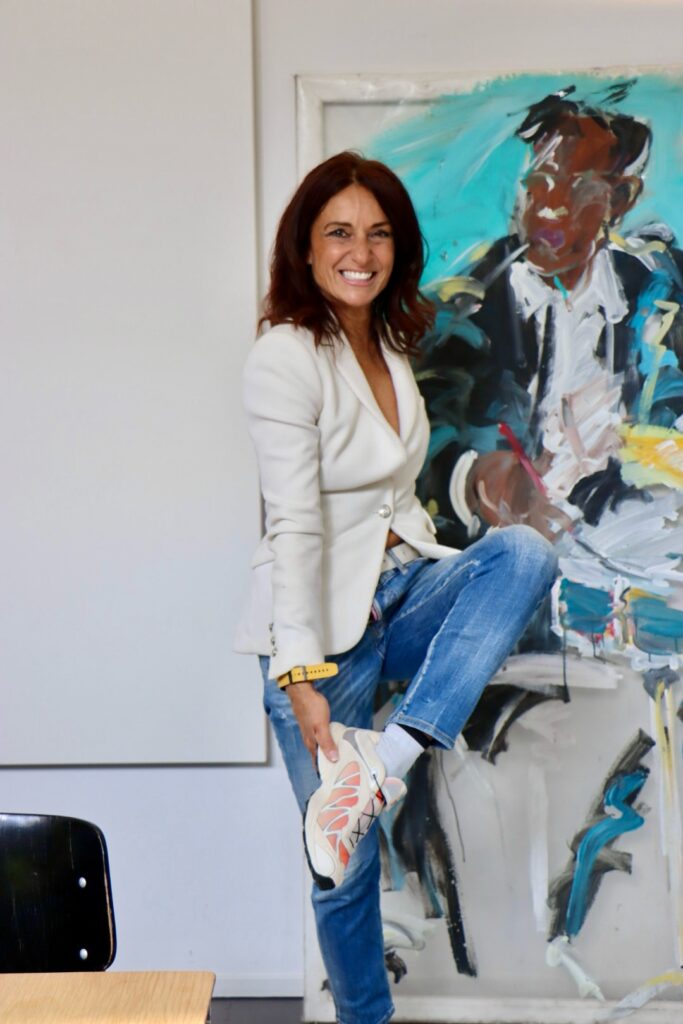
Salomon rules!
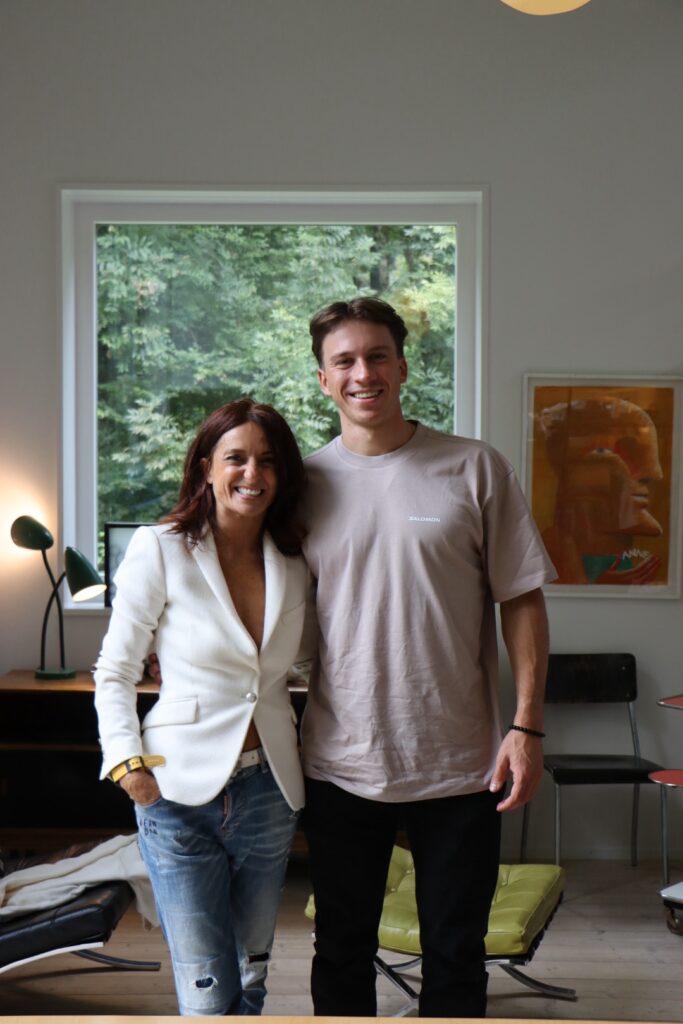
With Valerio Grond
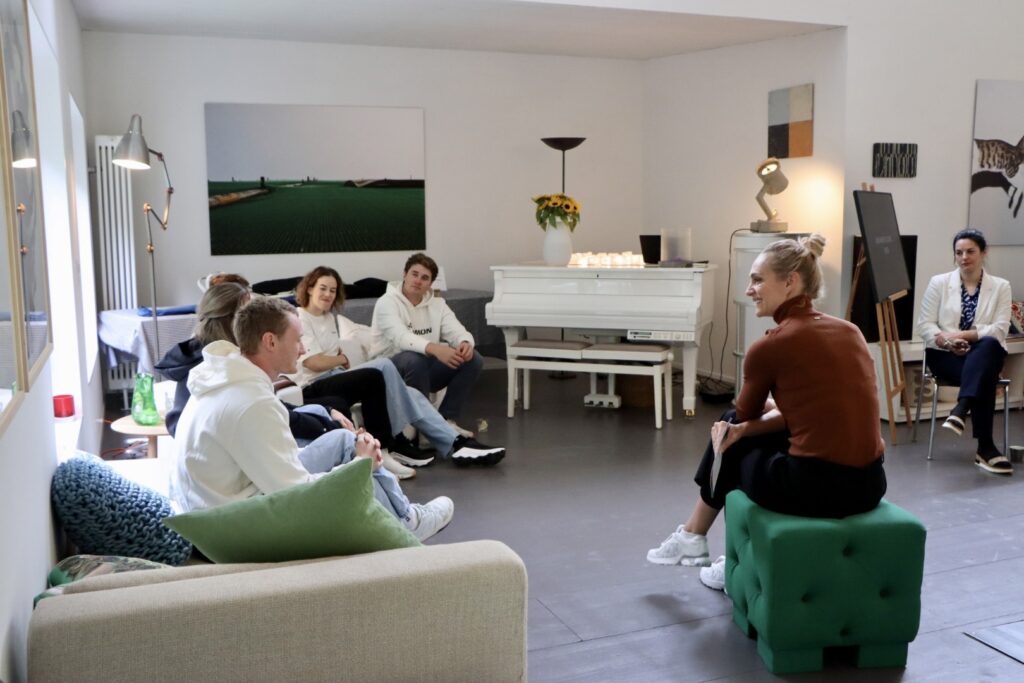
Sebastian Stalder, Aita Gasperini, Michelle Gisin and Arnaud Boisset
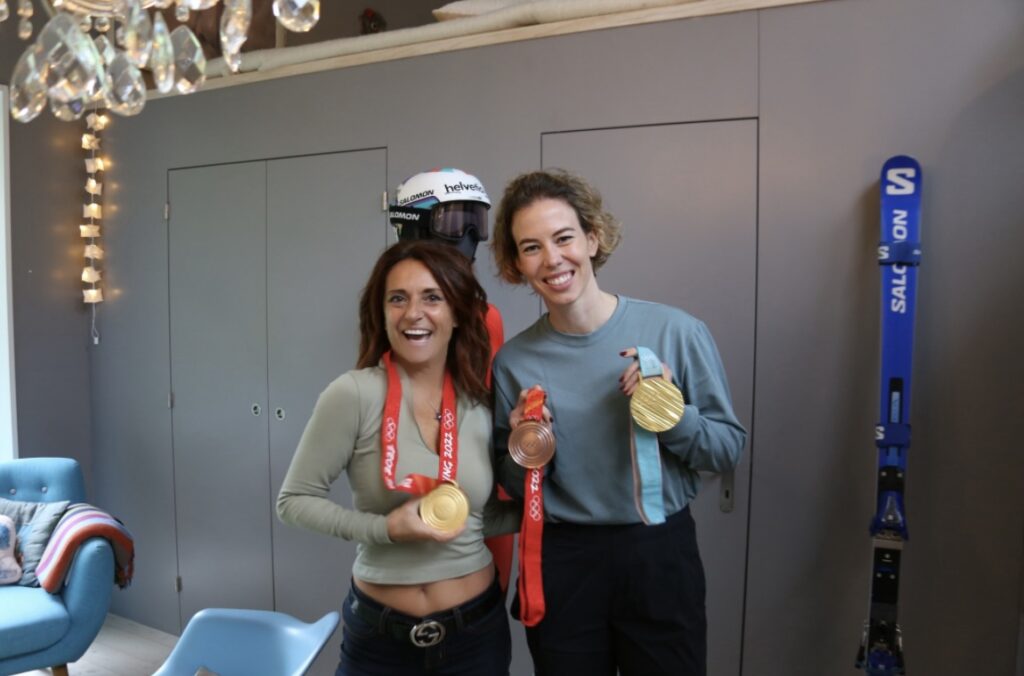
With Michelle Gisin
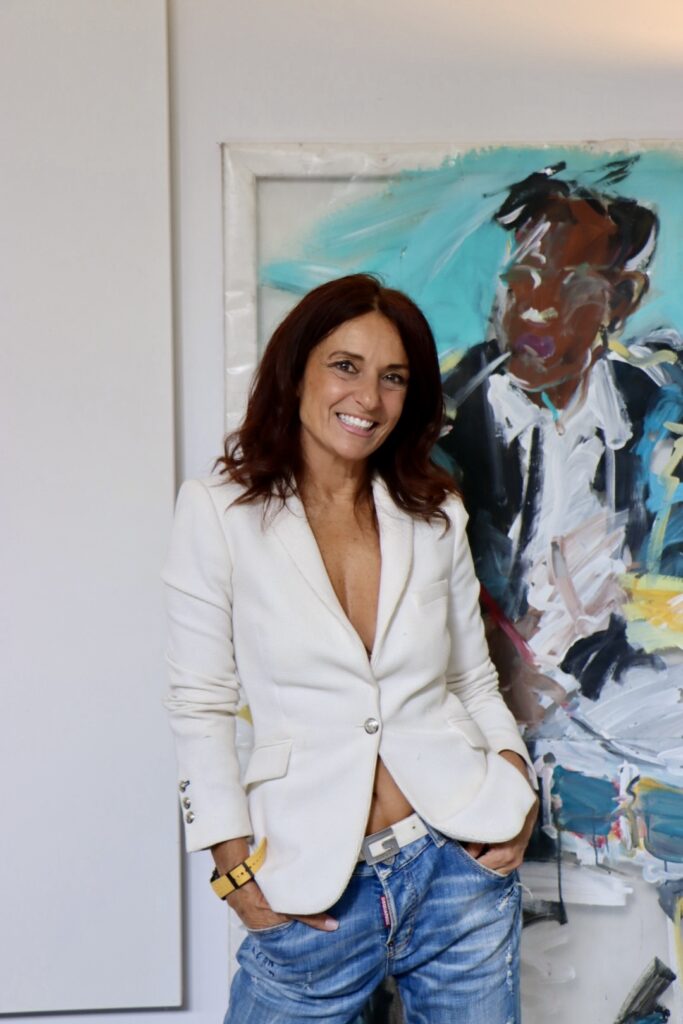
Art in Gockhausen
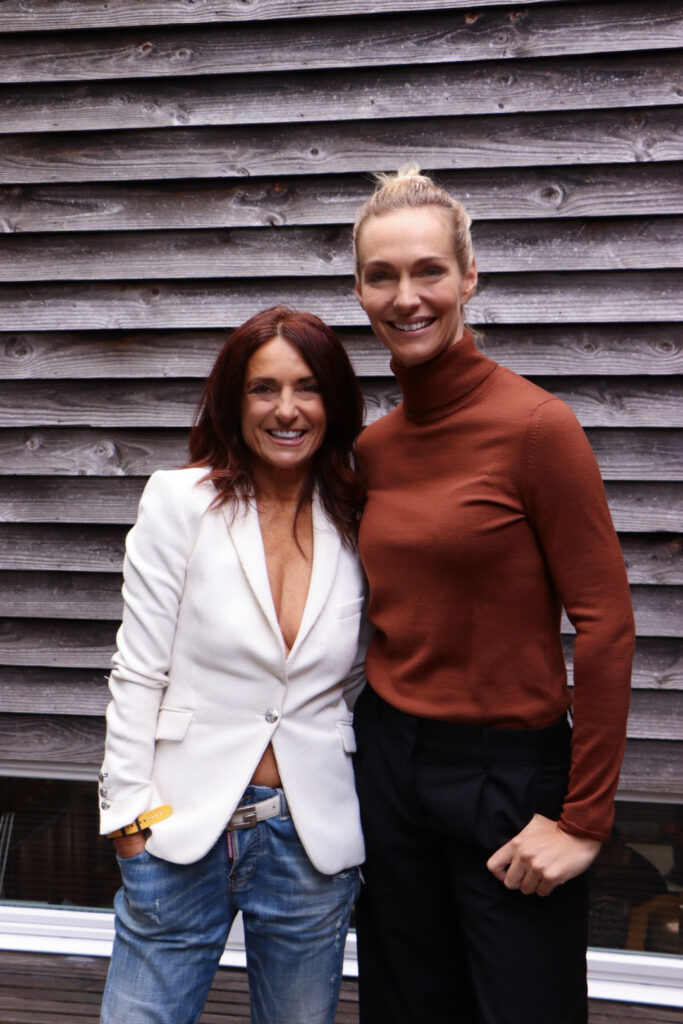
With Annette Fetscherin