




Sun, Sport and the Perfect Paella

Beatrice Lessi
Photos: Oliver Gerstlauer.
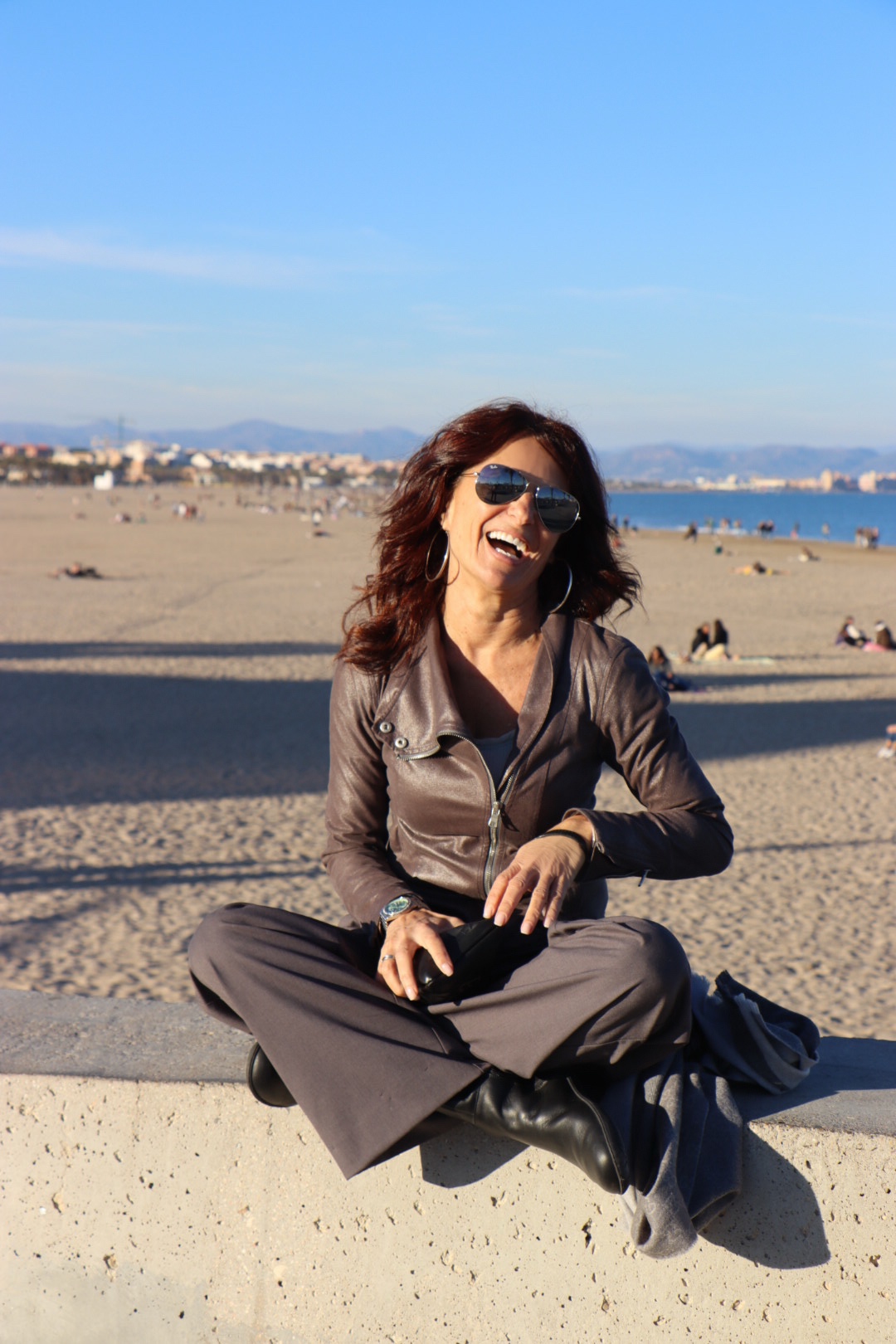
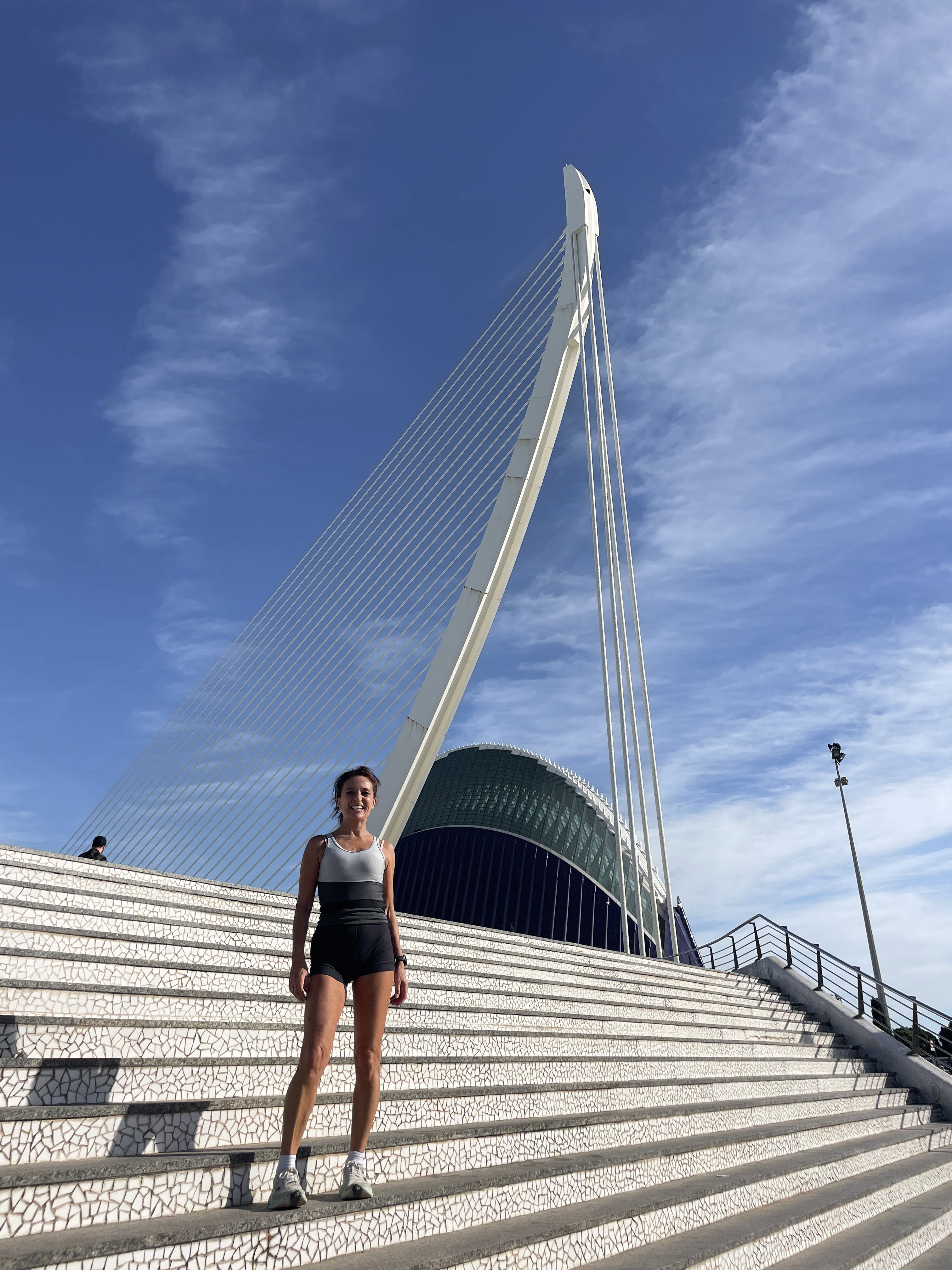
I was just in Valencia cheering my husband and some friends at the marathon — this time I didn’t run myself, even though I’m thinking of doing it next year. But after a good run and a sunny morning, I wanted to treat myself to an original paella. A local suggested I head down to the beach near the port (which I already knew from the 70.3 IM, and because I think some parts were renovated for the America’s Cup). With wonderfully mild December temperatures — 23 °C in the warm hours — the mix of sport, sunshine, and good food seemed like the perfect reward.
And it didn’t disappoint.
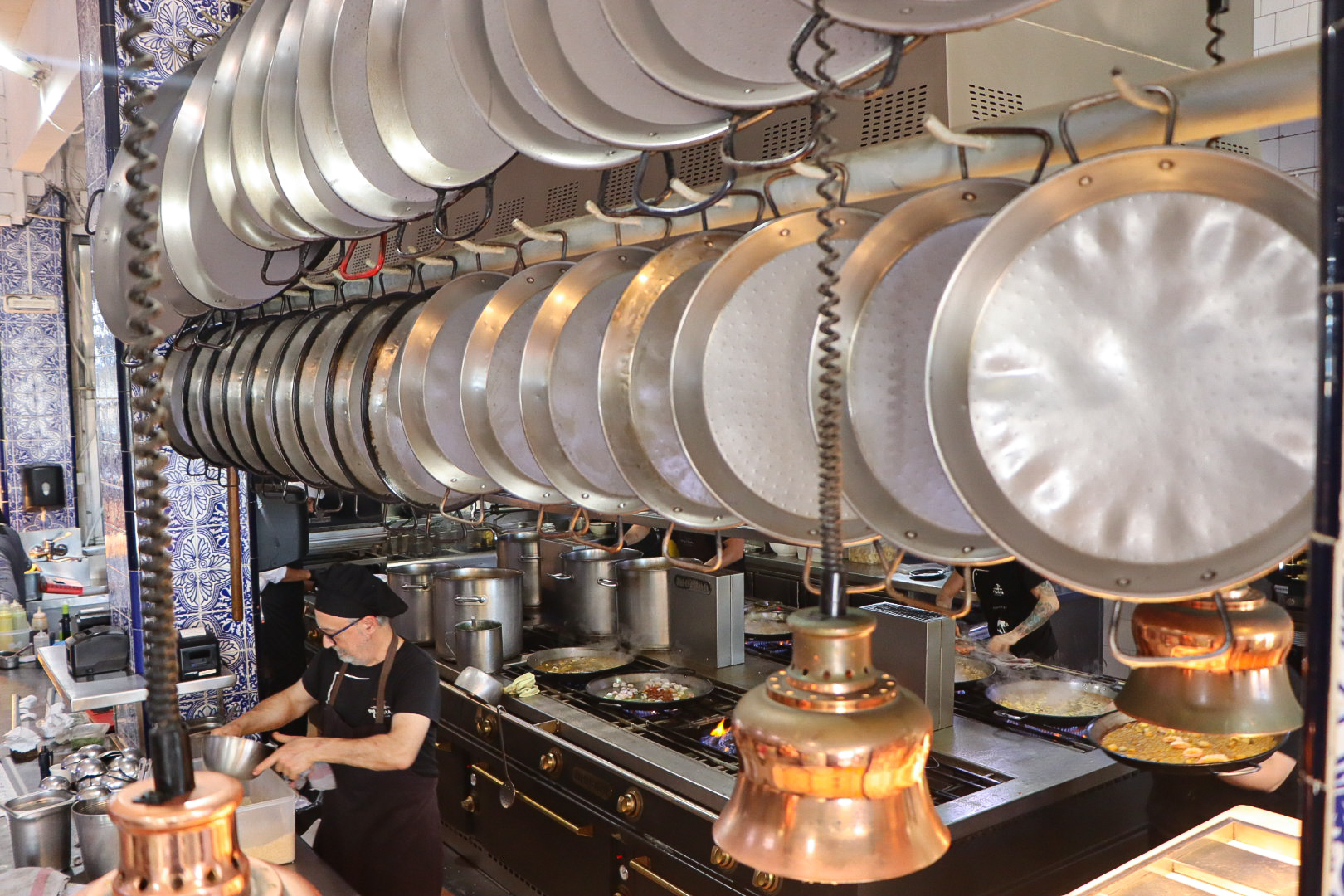
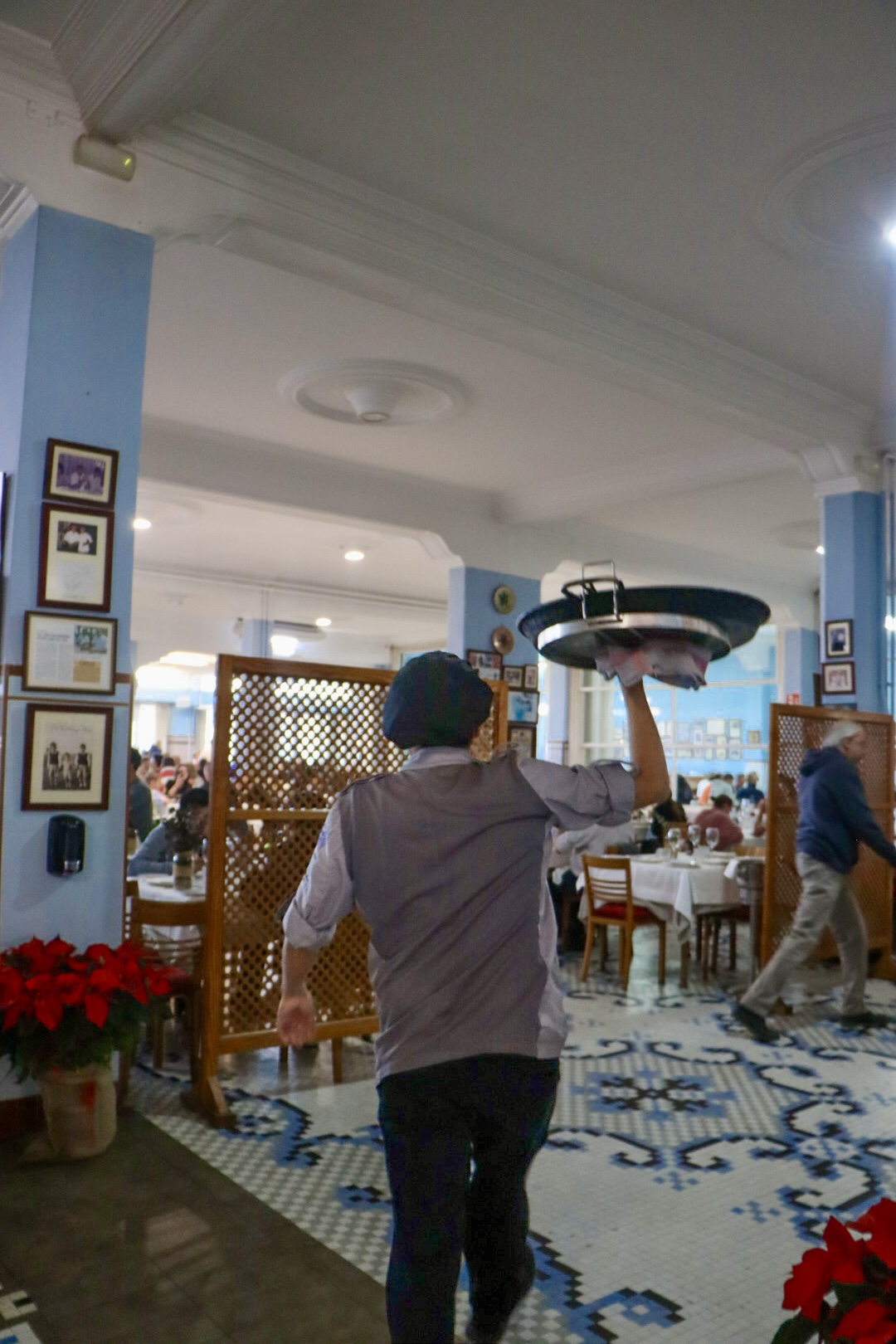
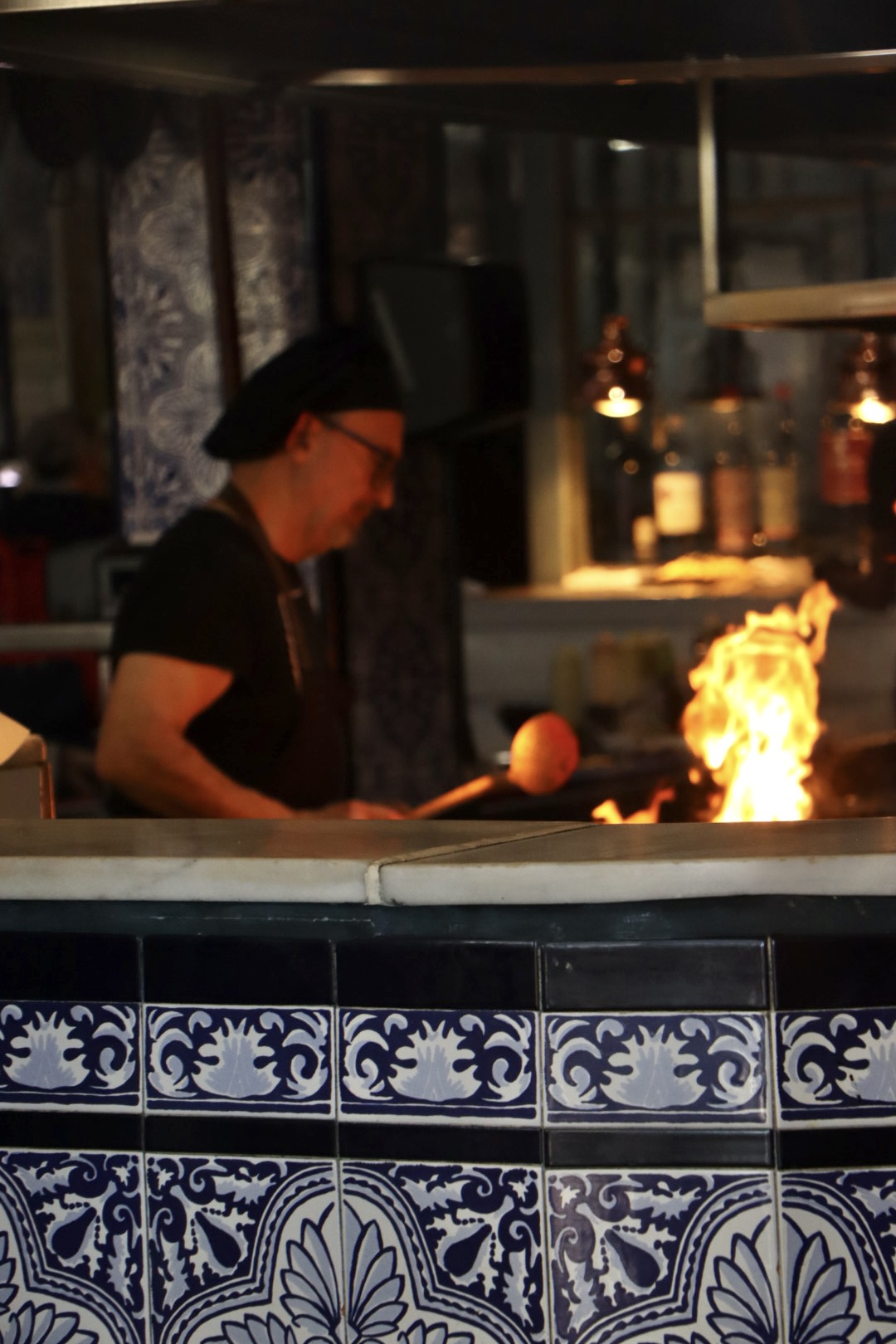
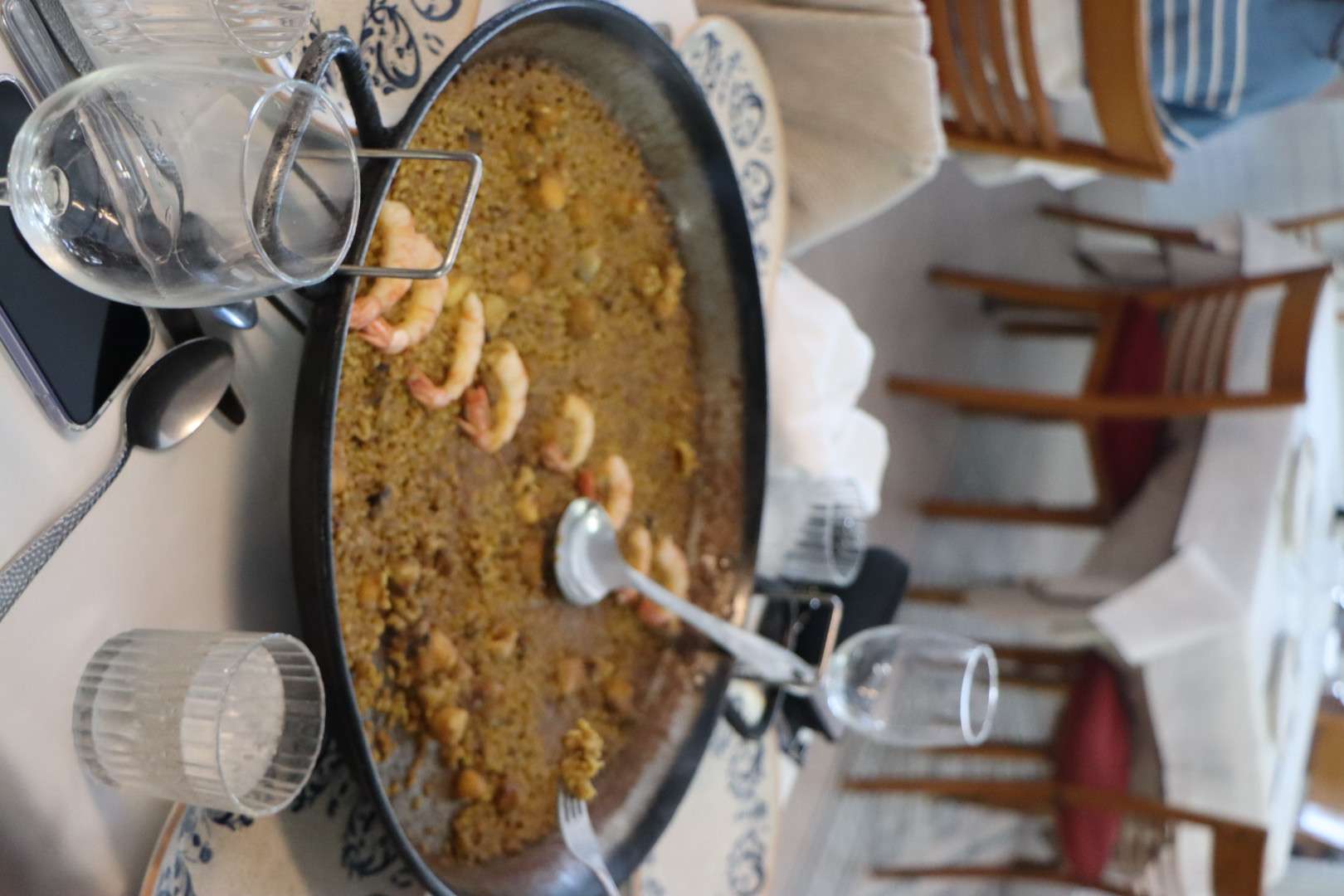
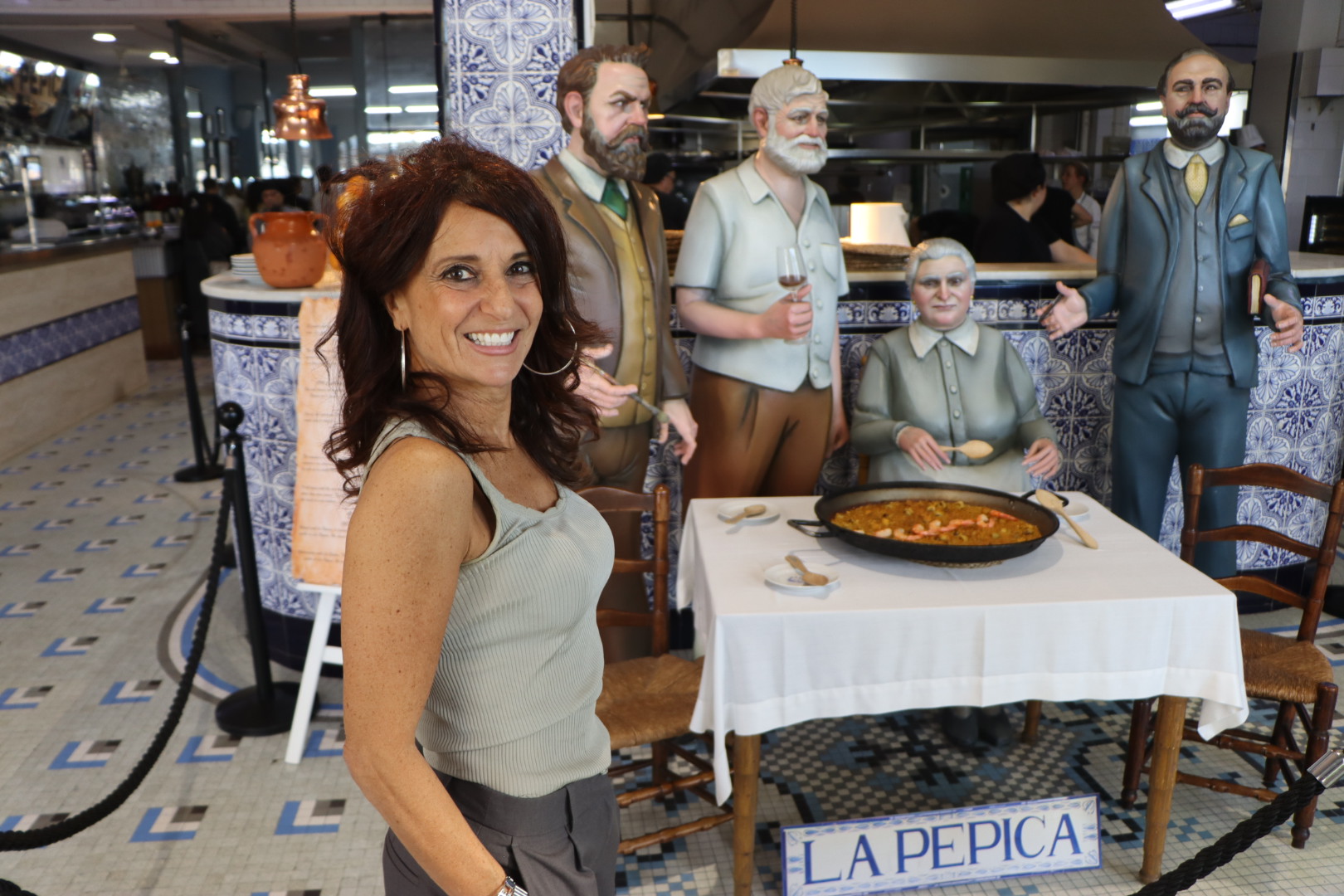
La Pepica greeted us with a full house and an atmosphere buzzing with life. Plates of paella were carried high in the air by waiters weaving between tables; old pots and blue ceramics lined the walls; tables were filled with couples, families — and even very old ladies, who seemed to delight in a leisurely lunch and in enjoying life. I admired them deeply: seeing such elderly women out for lunch, laughing and sharing paella, made the whole experience feel warm and real.
La Pepica is no newcomer: the restaurant opened in 1898. Stepping inside felt like stepping into a living tradition — a place where history and food meet.
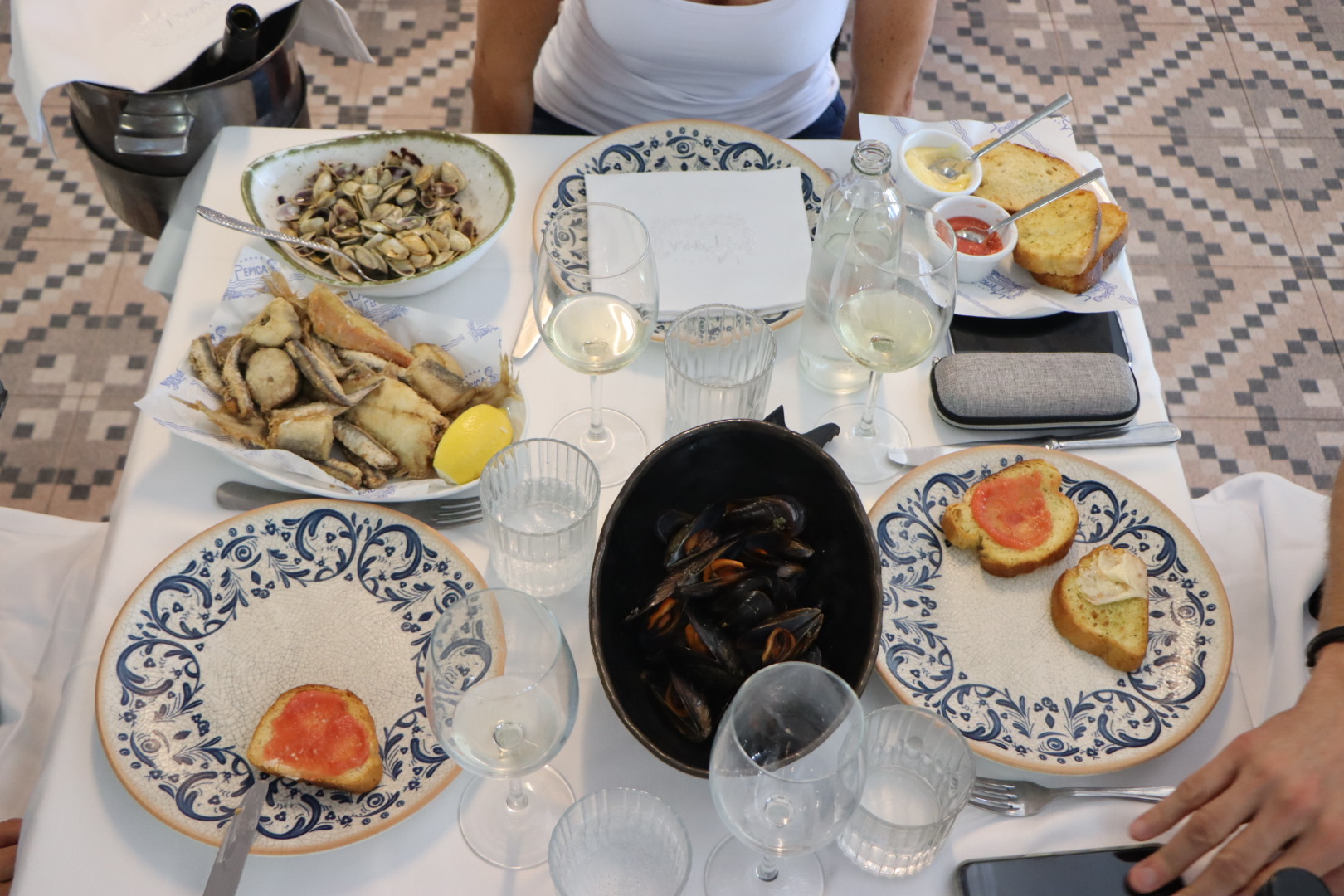
We ordered a huge paella to share among four, and made sure to clean up every last grain of rice. Pure joy.
After lunch came the perfect finale: a slow, warm walk along the beach to digest. The Mediterranean breeze, the sun, the gentle sound of the waves — that was the cherry on the cake.
5 Fun Facts About Paella
-
Paella originates from Valencia
The dish is deeply rooted in the region, and Valencians take its authenticity seriously. -
The original recipe is not seafood
Traditional paella valenciana uses chicken or rabbit, local beans and saffron — not necessarily seafood. -
The name “paella” refers to the pan
The wide, shallow pan used to cook it is itself called a paella — hence the dish’s name. -
The ideal paella has “socarrat”
That crispy, toasted layer of rice at the bottom — cherished, slightly crunchy, and full of flavor. -
Paella evolved from humble origins
It was originally a peasant/worker’s lunch, cooked over open fire in the fields, using whatever ingredients were at hand. Over time, it became a symbol of Spanish gastronomy.
If you ever find yourself in Valencia — cheering friends at a race, strolling under the Mediterranean sun, or simply in search of good food — do yourself a favor: head to the beach, find a table at La Pepica, and treat yourself to the real thing.
And don’t forget the final step: a walk on the beach to digest. Trust me — it completes the experience.